





FreightWaves Staff
Tuesday, July 31, 2018
Today’s Pickup: food is the next big thing to disrupt Amazon
The next big thing is food. Not just food, but hot food, and not just hot food but hot–delivered–food.
The next big thing is food. Not just food, but hot food, and not just hot food but hot–delivered–food.

Amazon spent $21.7 billion in shipping last year – a number which could be reduced if the company took control of its supply chain instead of partnering with 3PLs.
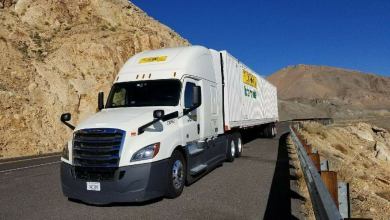
In December 2017, XPO was considered an acquisition target by Amazon and Home Depot. We argue that there is a much better fit with this massive and storied trucking operation.
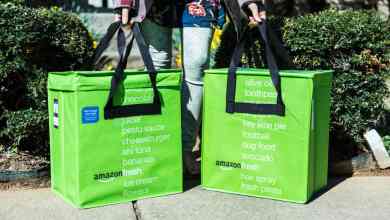
Amazon (AMZN: NYSE) is a power player in the online grocery scene, with sales growing at a rate of 40 percent year-over-year.
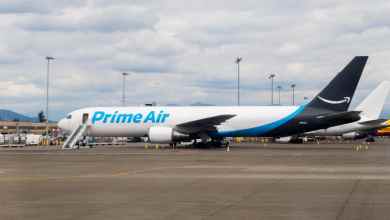
Kuebix, a transportation management system (TMS) that delivers a wide variety of freight analytics, plans to take a look at the impact Amazon Prime Day will have on the supply chain.
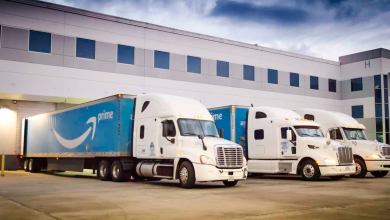
Technology is set to up-end three of the largest industries that truckers ship for: Retail, auto, and agriculture. All three are under attack from technology forces.
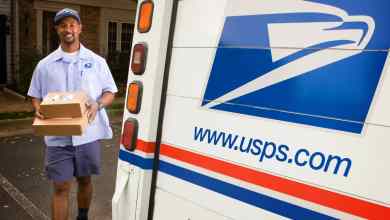
The constant criticism by President Donald Trump of the United States Postal Service’s package delivery deal with Amazon is manifesting itself in other ways as the administration recommends restructuring the Postal Service, possibly into a privately held corporation.

The Supreme Court ruled in favor of allowing states to collect taxes on all sales made through online channels, helping large omnichannel retailers compete online for sales.

Amazon has been in talks with major hospitals across the U.S. to look into the possibilities of venturing into the healthcare supply chain.
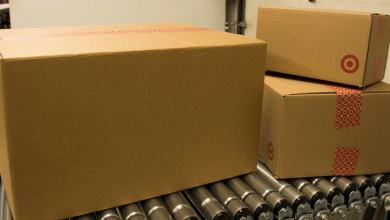
Target’s Restock program is a direct competitor to Amazon Prime Pantry, and now the retailer is rolling out the program nationally with free shipping and next-day delivery for all Redcard purchases.
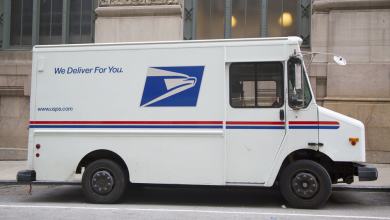
It will literally take an act of Congress to right the sinking USPS ship. Even heavy attrition and solid growth in packages and shipping can’t stop the losses.

The ambiguity surrounding trade talks is leading companies most affected by the tariffs to delay hiring or spending plans until they have a clearer sense of what the administration will do.
TMW CEO Wangler dies; a complete guide to Tesla’s borrowing & spending; inflation, consumer spending rise; the UAE’s Hyperloop; lost trucker wanders through Oregon forest for 4 days, lives to tell the tale.
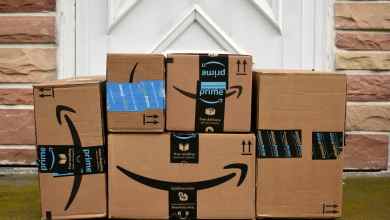
Amazon and the US Postal Service have grown package volumes and profits together in a mutually beneficial relationship.
Amazon announced Tuesday it has joined with General Motors and Volvo Cars to start offering in-car deliveries, giving its couriers access to potentially millions of vehicles in 37 U.S. markets.
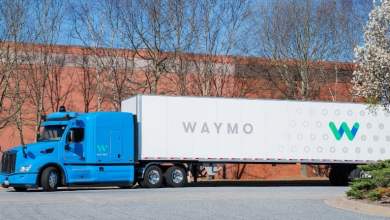
Irrespective of who wins the race to deploy the first fully autonomous vehicles, the unanimous view was that in the future, size is going to matter and carriers/OEMs will need balance sheets to be able to survive.

E-commerce is intensifying last mile delivery activity; warehouse prices are climbing rapidly in consumer-dense markets; but the logistics space is fragmented, with high EBITDA multiples and low barriers-to-entry hindering consolidation.
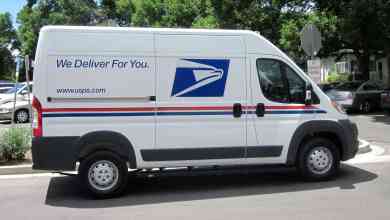
In a move many see as a continuation of his feud with Jeff Bezos, President Trump authorized a task force to look into USPS business practices. Beyond the personal spat, there are real issues with how the post office charges for delivery and the relationship with Amazon
Several states say online retailers should have to collect sales tax, even in states where the companies don’t have a physical presence.

China approves drone package delivery; driver pay is up 15% in 3 years; Hapag-Lloyd has a plan to switch to low sulphur fuel; Trump gears up for fight with Amazon; Barclay’s thinks WTI crude will drop to $51 this year.