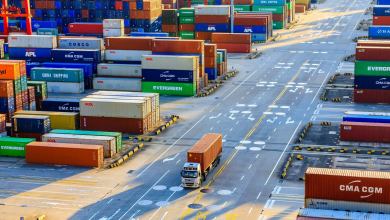
US imports sink in September, suffer steepest drop since 2020 lockdowns
Demand for Asian goods began dropping earlier this year. This is now having a delayed — and highly negative — effect on U.S. imports.

Shipping volumes are weakening in and out of China. Is this a temporary pullback or a sign of more serious trouble ahead?
Container and dry bulk shares soared last year, leaving tanker stocks behind. This pattern has now reversed.
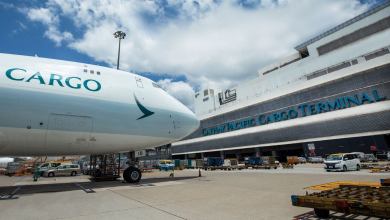
Cathay Pacific Cargo, a bellwether for trade in Asia, says slowing consumer demand and Chinese exports point to a less busy peak shipping season.
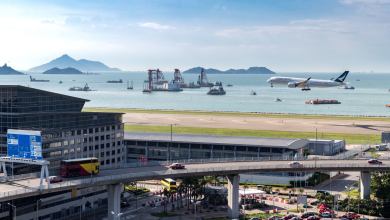
A severe typhoon is headed for the South China region, forcing airlines and ports to take precautions and adjust schedules.
Zhengzhou airport has completed a major expansion project to alleviate crowding at its cargo facilities and allow for significant growth.
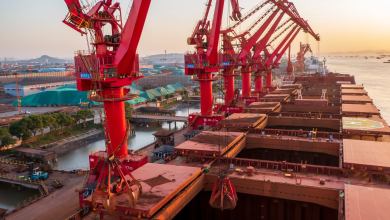
Rates and sentiment in dry bulk shipping have fallen hard. Economic pressures in China appear to be a major culprit.
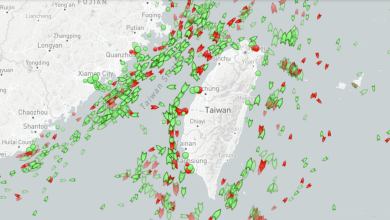
Chinese military exercises in the Taiwan Strait will delay shipments. Further escalation could have dramatic supply chain effects.
Fallout from the Ukraine-Russia war and concerns over power supply in Europe and Asia support demand for seaborne coal.
From crude tankers to product carriers to dry cargo ships, the largest vessels are earning less than their smaller counterparts.
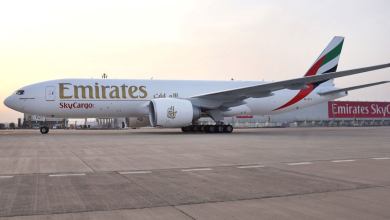
Emirates is enlarging and modernizing its cargo fleet with modified passenger aircraft and new builds.
Ocean carrier Hapag-Lloyd sees consumer demand and spot rates slipping, with market highs in the rearview mirror.
Arkansas Gov. Asa Hutchinson has four suggestions on how U.S. manufacturers and the American government can make a more resilient supply chain.
‘Right now, we don’t see a huge buildup of volumes because of the closedown in Shanghai,’ reports Maersk CEO Soren Skou.
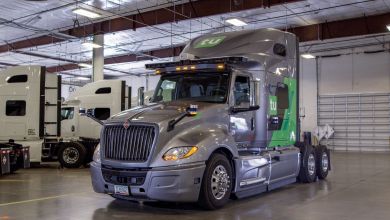
TuSimple, the autonomous truck developer is delaying its purpose-built driverless truck to 2025 while slowing its roll in other areas.
New reports from Maersk, Kuehne+Nagel and Drewry point to an ongoing boom for container shipping lines.
COVID lockdowns in major Chinese cities are bottling up freight shipments, but the full impact on global trade won’t be clear until this summer.
Retail stock pickers seem increasingly nervous about shipping. Shares of dry bulk, tanker, container and mixed-fleet owners all fell.
The Shanghai lockdown isn’t following the same supply chain script as the big Chinese disruptions of 2020 and 2021.
Lo que ocurre en China no se queda en China. Y para las cadenas de suministro estadounidenses, eso suele ser algo bueno. Las empresas estadounidenses se han vuelto dependientes de los productos de bajo costo procedentes de proveedores chinos. Pero en un mundo post-COVID que puede estar entrando en la Segunda Guerra Fría, la dependencia […]