Class I railroads outline 2021 projections, February weather impacts
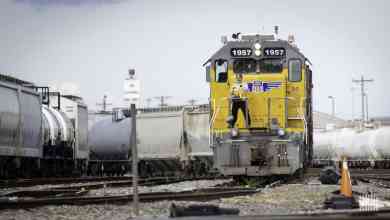
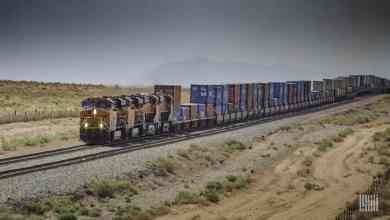
The publicly traded Class I railroads expect rail volumes to improve this year despite severe winter weather curtailing operations in February.
Two bullish equity research reports this week on transportation stocks both highlight expectations around consumer spending and what that means for freight demand.
J.B. Hunt believes recent winter storms will negatively impact first-quarter operating income by $15 million to $20 million. The company said it had been successful advancing its intermodal service initiatives prior to the storms.
Adoption of technology has influenced U.S. Class I railroads’ staffing. Will additional technological innovation cut headcount even more, or will other factors have greater weight?
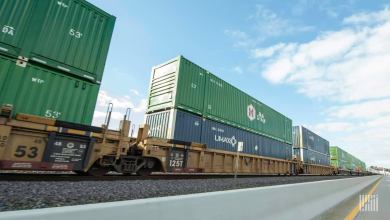
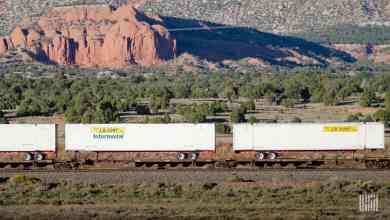
Anticipated consumer spending levels, retail restocking and tight truck capacity are among the factors that could support intermodal volumes this year, according to Class I rail execs.
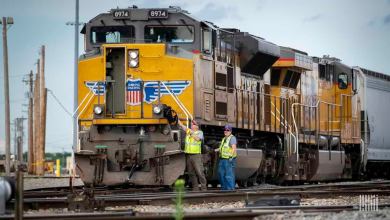
U.S. operations of the Class I railroads employed fewer employees in 2020 than in any year since at least 2012. Headcount was 14% lower than in 2019.
FRA announces the full implementation of PTC as well as interoperability among competing railroads.
From volume volatility to a busy board, here are five themes that dominated the rail industry this year.
Total employment among the U.S. operations of the Class I railroads fell nearly 14% year-over-year amid the railroads’ continued deployment of precision scheduled railroading.
Expanding what service and performance data Transport Canada collects could help demystify the freight rail operations, the agency said.
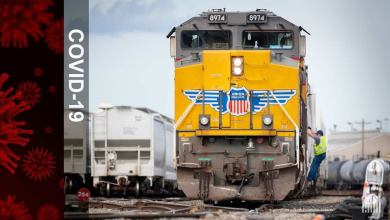
The railroads say they are ensuring their networks keep running as coronavirus cases surge in the Midwest. Meanwhile, union members want the railroads to be more consistent in their responses to the pandemic.
Nearly 92% of the U.S. Class I rail network is interoperable and close to fulfilling the federal positive train control mandate by the Dec. 31 deadline, according to FRA data.
The rule defines performance and service metrics for Amtrak and it requires freight rail to meet an on-time performance standard.
What won and what lost in the third quarter for the rails?
The U.S. rail network comprises nearly 140,000 miles of track, broken into three main categories.
A railroad from Mexico’s Port of Mazatlan to Winnipeg, Manitoba, would require enhanced container-handling facilities at both sites.
A politician’s perceived influence over transportation policy may factor into who gets financial support.
Zeta, which weakened to a tropical storm after making landfall Wednesday, could cause some service issues.
Rail freight needs to become more truck-like as to timely inventory reporting.
Genuflecting toward Wall Street has symbolically become part of the North American Class 1 rail company culture.