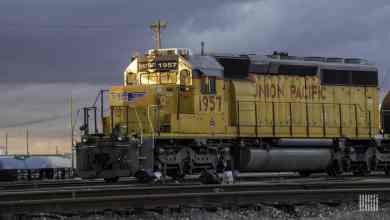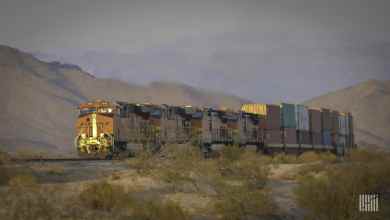
Freight railroads monitor Hurricane Delta’s path in Gulf
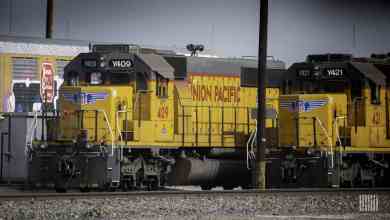
Although the hurricane isn’t expected to make landfall until later this week, the Class I railroads are preparing now for potential service disruptions.
The independent federal rail agency is looking at the market factors determining exemption from board oversight. The board also separately declared five Class I railroads as being revenue adequate in 2019.
U.S. intermodal traffic continues its upward trend but carloads are still lower year-over-year.
Kathryn M. Farmer will assume the role of president and CEO in January, taking the reins from current President and CEO Carl R. Ice. Ice is retiring but will remain on BNSF’s board of directors.
Iowa transportation company Travero plans to open a multimodal cross-dock operation by next September.
The Class I railroads update agencies on service issues; shippers use the opportunity to ask for data collection on first-mile and last-mile movements.
The railroads are taking precautions to ensure their networks are secure ahead of two U.S. Gulf Coast storms.
The Class I’s have reached 100% compliance with three of the five categories required to reach full implementation.
Two logistics parks are in operation nearby and more are to come in Alabama.
Rail traffic continued to build through June. U.S. intermodal traffic was only off 5% year-over-year in week 26.
Deutsche Bank analyst Amit Mehrotra favors a few transportation stocks as the second quarter comes to a close.
Class 1 railroads reiterate that some measures they took to cut costs because of the coronavirus could become permanent.
The active railcar fleet fell by 25% in May. Multiple headwinds face railcar demand, but volumes may be turning a corner.
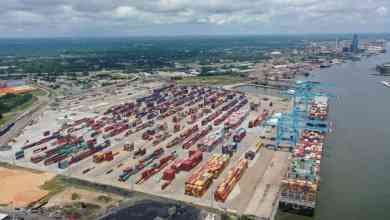
Alabama State Port Authority and APM Terminals Mobile will help get products to customers quickly
Interoperability between host and tenant railroads nears 60% at the end of the first quarter, up from 48% in December.
Like all industries, the coronavirus has impacted railroads. What should they be doing to gain market share and better serve their customers?
Employee counts at U.S. Class I railroads continue to be lower in 2020 than 2019, although total headcount rose slightly from February.
The groups want the Federal Railroad Administration to ensure that railroads’ requests to waive certain regulations stem from a true labor shortage.
In terms of financial results for the Class I railroads in 2020, it could get worse before it gets better, according to several Wall Street analysts.
A report from Boston Consulting Group suggests that the Class I railroads must look beyond precision scheduled railroading and operating ratios if the industry wants to be a competitive transportation mode.