




Chris Gillis
Wednesday, April 29, 2020
Logistics for seed movement
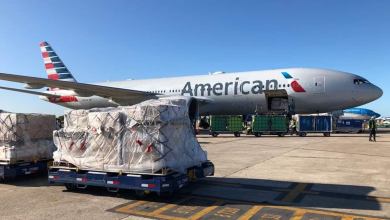
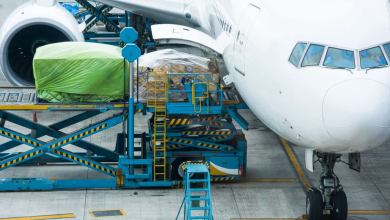
COVID-19 pandemic challenges American seed producers to secure airfreight capacity to meet spring planting.
COVID-19 pandemic challenges American seed producers to secure airfreight capacity to meet spring planting.
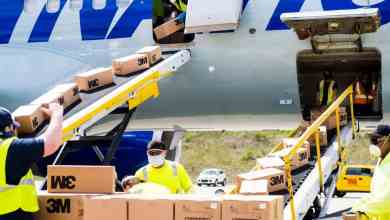
Secondary airports are increasingly being used by all-cargo carriers supporting the government’s coronavirus logistics mission.
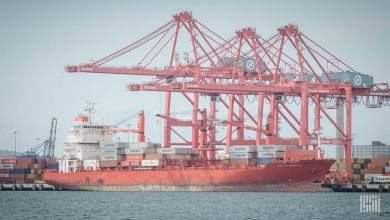
Regulatory guidance is expected to be significant to American shippers facing container availability charges from carriers and marine terminals during COVID-19 pandemic.
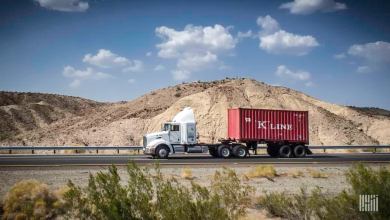
The smallest of the standardized ocean containers in the global fleet remains ideal for dense, heavy agricultural goods, forest products, and machinery shipments.
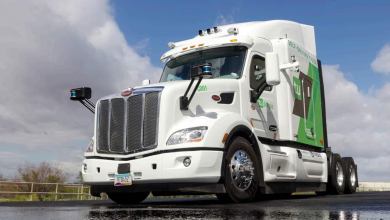
The COVID-19 pandemic has created the need for social distancing, even while working. For the freight industry, the adoption of autonomous vehicles might be a good start.

Trump signs bill carving out $60 billion in loans specifically for smaller community-based lenders.
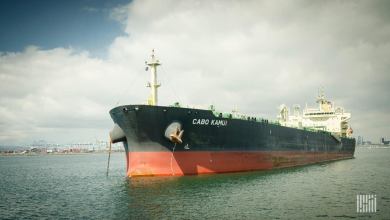
Triple the number of vessels at anchorage increases risk of oil spill.

Farms of major row crops like tomatoes or potatoes are usually highly mechanized and could escape the wrath of COVID-19.

Trade is set to plummet by 13% and 32% in 2020
“More work to do” as FMCSA closes in on 900,000 total registrants.
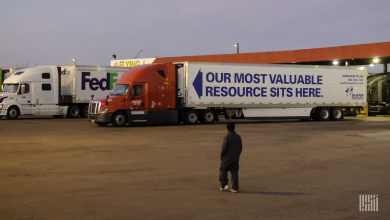
As the COVID-19 crisis deepens, it is critical for logistics workers to make sure they stay safe as they continue to keep the economy running.

“We expect that more shippers will shift from just-in-time supply chains to just-in-case supply chains,” U.S. CEO Mark McCullough said.
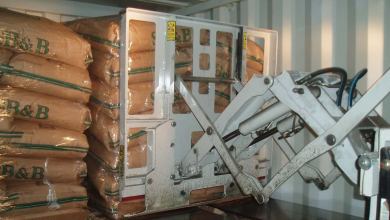
Container equipment shortage exacerbated by COVID-19 pandemic stresses upper-Midwest soybean exporter trying to fill his springtime customer orders to Asia.

Canadian truck driver Nicole Folz learned that she tested positive for COVID-19 two weeks after falling seriously ill during a cross-border run in the US.
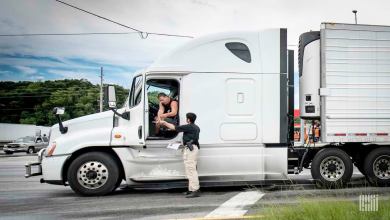
Temporary change could leave carriers vulnerable to disqualified drivers.

Identifying the packages that come in contact with infected individuals in the supply chain is vital to reduce the pandemic’s spread.
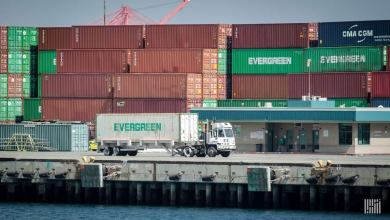
The duty deferment applies to qualifying importers facing “significant financial hardship,” Customs and Border Protection said.

Group says more coordination needed to address insufficient supply of masks, hand sanitizer.
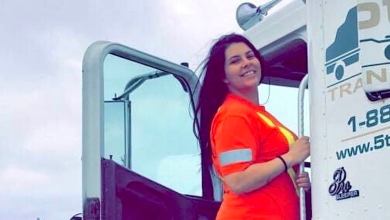
From quarantine, Canadian truck driver Nicole Folz recounts the scary reality of falling seriously ill hundreds of miles from home during a less-than-truckload run in the United States.
The current $61 billion set-aside for the domestic airline industry left out the forwarders.