




Greg Miller
Monday, January 8, 2024
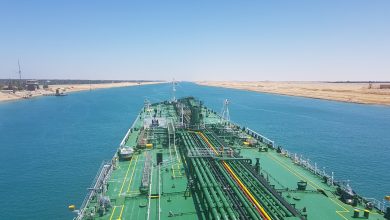
As Red Sea risk spooks container shipping, tankers remain unfazed
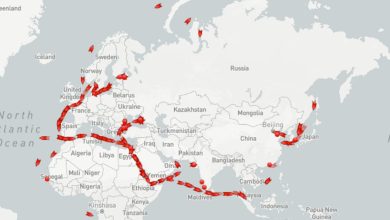
Red Sea escalation would juice tanker rates, but rates would fall if the conflict spilled into the Strait of Hormuz.
Red Sea escalation would juice tanker rates, but rates would fall if the conflict spilled into the Strait of Hormuz.

As war rages in Europe and the Middle East, a new flashpoint in South America could pose more complications for shipping.
The volume of Russian crude exports is growing and the price is rising, spurring the U.S. and its partners to begin sanctions enforcement.

Geopolitics has always been a key driver of global shipping markets. How could the war in Israel affect rates?
Tanker giant Frontline is poised to dramatically expand its fleet, while Euronav is on a path to privatization.
This was supposed to be a banner year for crude tankers, but output cuts and the Russian price cap are keeping rates under pressure.
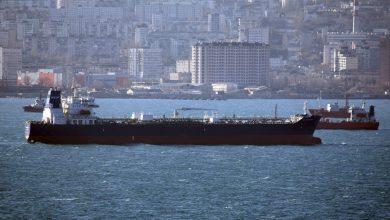
Price caps have been breached, discounts on Russian exports are dwindling, and more money is flowing to Russian coffers.
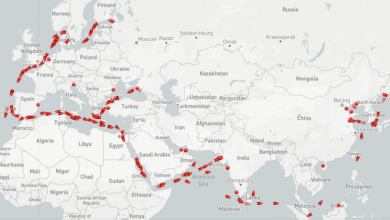
Tanker shipping sanctions compliance is getting a lot more complicated as the price of Russian crude oil rises.
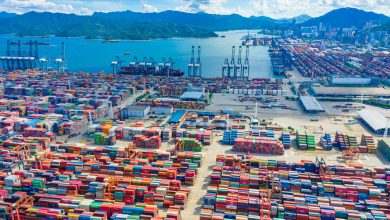
Declining demand for Chinese exports and reduced stimulus options threaten bulk commodity import prospects.

The Wagner mutiny is drawing attention to what happens after the war in Ukraine ends. When it does, shipping will see major changes.

The International Energy Agency predicts Asia will buy growing volumes of U.S. crude through 2028. That’s good news for supertanker demand.
Five years after bringing dry bulk freight futures to the masses, Breakwave makes a splash in tanker investing.
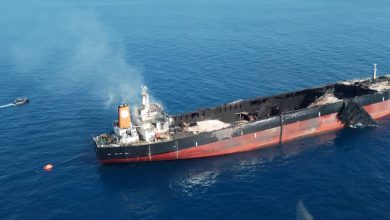
Older ships are being kept in service longer in pursuit of profits, heightening the risk of accidents and spills.
Tanker investors have been disappointed before. Is the current stock pullback a bump in the road or something more?
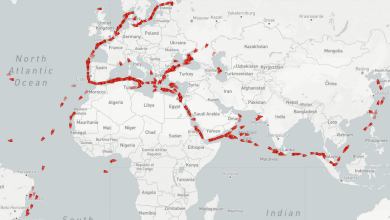
More Western tankers are jumping into the Russian trade — legally, under the price cap — to pocket big freight premiums.
Crude production cuts are inherently bad for tanker shipping, but analysts are downplaying the fallout.
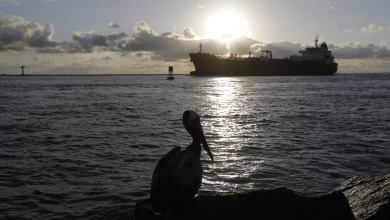
Container shipping just experienced a record boom. Some believe crude and product tankers are poised to follow suit.
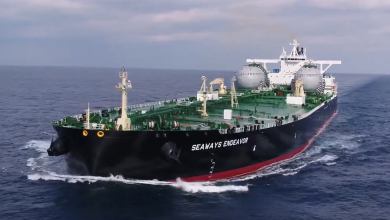
Shipowners say they won’t order expensive new dual-fuel tankers without charters. They’re not getting charters, so they’re not ordering.
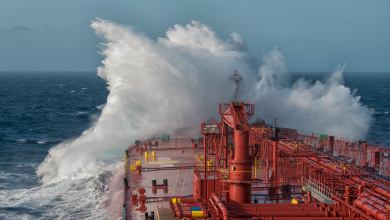
With virtually no new ships on order and demand strengthening, the tanker business seems poised for a bull run.
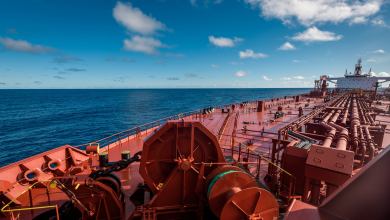
Larger crude tankers are moving more U.S. exports on shorter voyages to Europe as long-haul volumes to China stagnate.