




Greg Miller
Tuesday, May 7, 2019
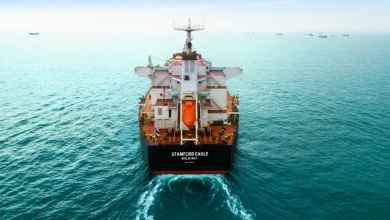
Eagle Bulk uses ‘active’ model to outperform the index
NASDAQ-listed Eagle Bulk believes its ‘owner-operator’ model allows it earn more than ‘pure owner’ competitors.
NASDAQ-listed Eagle Bulk believes its ‘owner-operator’ model allows it earn more than ‘pure owner’ competitors.
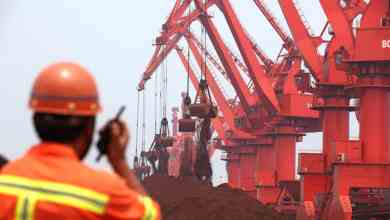
Public ship owners like Navios Partners saw rates fall due to cuts in Brazilian iron-ore exports.

Momentum is building to limit the speed of ocean-going vessels to curtail harmful emissions. The debate will focus on how this could impact charter rates, and whether it could have the unintended consequence of creating even more emissions-generating ship capacity.

Dry bulk shipping faced multiple headwinds in the first quarter, but NYSE-listed Scorpio Bulkers benefited from its smaller ships and its diversification into the product-tanker sector.

Nick Brown, head of marine at classification society Lloyd’s Register, is at the front lines of ocean shipping’s technological evolution. He explains how he sees this transformation playing out.
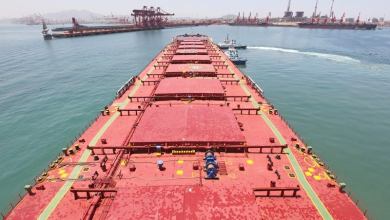
When freight rates are terrible, even a slight improvement seems like an uptick. But a terrible market is still a terrible market. Capesize rates have marginally, slightly, improved… but they’re still dreadful. And the rest of the dry bulk shipping markets are doing their best to impersonate a submarine… they’re all steadily sinking. Ship scrapping that removes some excess tonnage may help rate recovery.
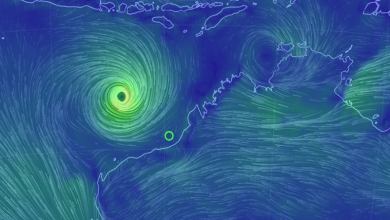
Australia’s maritime officials are keeping a wary eye on the oceans around north west Australia as Cyclone Wallace menaces the Pilbara-region coastline. The harbour master for Port Walcott directed that the port be cleared. However, it was a narrow miss for iron ore export facility, Port Walcott, as the cyclone swerved away. And so the harbour master cancelled the direction to clear the port. Iron ore exports are, nonetheless, likely to disrupted. But it’s not over yet as, to the north east of Wallace, a “tropical low” is threatening to build up into a cyclone too.
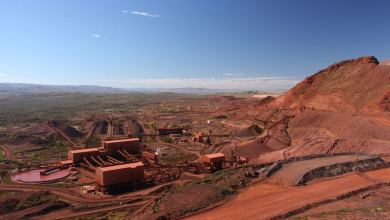
Major Australian miners BHP and Rio Tinto have both revealed that they were adversely affected by the recent category four Cyclone Veronica and that they have suffered iron ore production losses.

A major iron ore export port with 185 million tons iron ore capacity on Australia’s north west coast has been absolutely clobbered by the recent category four Cyclone Veronica, FreightWaves can exclusively reveal. Port Walcott’s operational ability is down by nearly 90 percent. Rio Tinto has declared force majeure to its customers. Major miner, Rio Tinto, which operates the port, is mostly staying silent. Dry bulk freight rates are likely to be hit, dry bulk sources say.
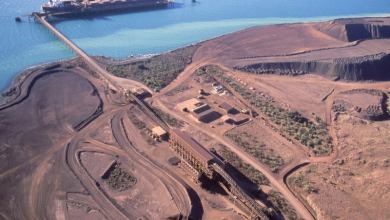
Dry bulk shipping around the northern coasts of Australia has been suspended, ports have been cleared of ships and land side operations have stopped owing to highly unusual circumstances – two very large, very strong, cyclones, Veronica and Trevor, are about to hit Australia near-simultaneously.
Dry bulk shipping around the northern coasts of Australia has been suspended, ports have been cleared of ships and land side operations have stopped owing to highly unusual circumstances – two very large, very strong, cyclones, Veronica and Trevor, are about to hit Australia near-simultaneously.
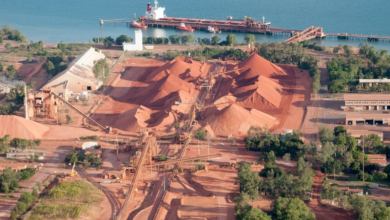
Australian miner Rio Tinto generated over US$12 billion (all figures in U.S. dollars) from its bauxite, alumina and aluminum production in 2018. It predicts about 67 million tonnes production of bauxite, alumina and aluminum this year. These minor bulk commodities are significant seaborne cargoes.
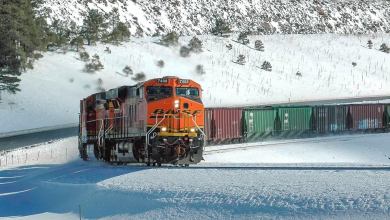
The Grain Transport Report, a weekly publication by the Agricultural Marketing Service (a division of the U.S. Department of Agriculture) released information showing that total export inspections for grain (corn, wheat and soybeans) declined 22 percent from the previous week.
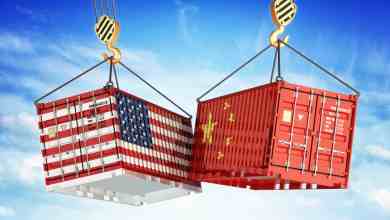
As far as investors are concerned, the trade war is effectively back on.
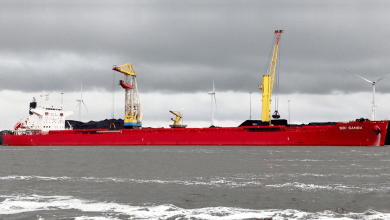
Dry bulk carriers outperformed the S&P 500 by a significant margin today, with Star Bulk Carriers, the largest publicly traded fleet in the segment, gaining 5.1% on the day.
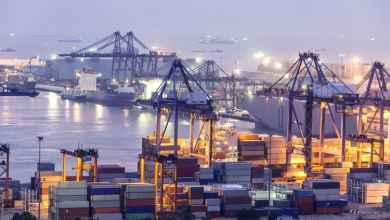
UNCTAD expects volumes across all maritime segments to grow in 2018. However, it warns that trade wars can disrupt the global trading system and there is a need to assess the implications of vertical integration within the industry, addressing any potential negative effects.
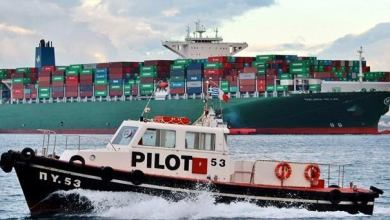
Australia’s east coast grains industry suffers an ongoing drought causing severe shortfalls, and grains are being moved from West Australia to East Australia in record volumes to the point where the industry will have to consider importing grain from overseas.
A quick round-up of what you need to know about maritime today, but didn’t have time to learn about, yet.
Indonesian coal suppliers have increased their domestic coal production target by 4.5 percent from a previous 485 million tonnes to a massive 507 million tonnes in the current year. All the additional tonnage will be exported.
Stifel’s super-team of equities analysts took a hard look at trade war risk for carriers in every mode and various types of logistics service providers. Dry bulk maritime is the most exposed, while air cargo is the least. Railroads and intermodal carriers like JB Hunt and HUB Group also have significant risk.