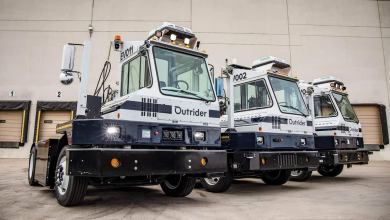
Outrider CEO: ‘Yard of the future’ is autonomous and electric
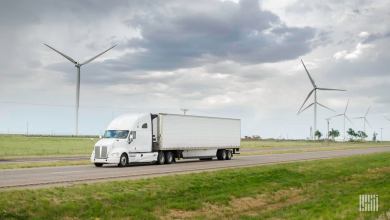
“There’s no reason the yard of the future shouldn’t operate with the click of a button and the power of the sun,” says Outrider CEO Andrew Smith.
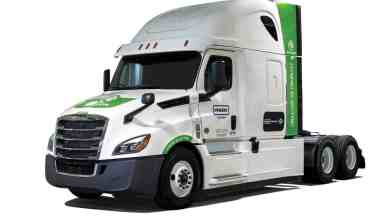
Schneider’s corporate sustainability goals include plans to reduce per-mile carbon emissions 60% by 2035 and focus on fleet electrification.
BorgWarner continues to build up its portfolio for commercial vehicle electrification with the $880 million acquisition of European battery maker AKASOL.
The Fuels Institute dives deep to find the impacts that different transportation-related environmental initiatives have on consumers and the environment.
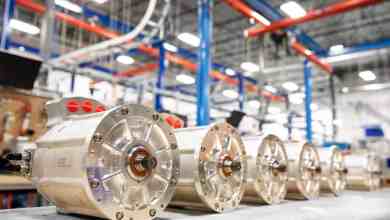
Dana Inc. spotted the trend toward zero-emission commercial vehicles four years ago when China offered incentives for battery-powered buses. That led the Tier 1 supplier to start buying and partnering with companies to build an all-in approach to electrification.
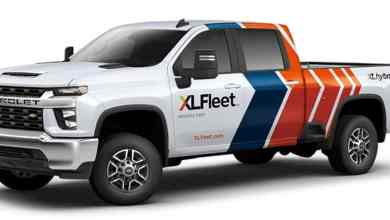
On its way to its debut as a public company, XL Fleet expands its electric drive-making business to include charging and energy storage infrastructure.
A look at how college English major Amy Davis navigates hydrogen fuel cells and other alternative energies at Cummins, the trucking industry’s top engine maker.
Ryder and ABB executives explore why the adoption of electric vehicles is coming first to the last mile during FreightWaves’ Last Mile Logistics Summit.
Chris Thomas, a veteran venture capitalist from the mobility sector, teams with Detroit and European-experienced experts to invest in startups in physical and digital movement of freight, people, data and energy.
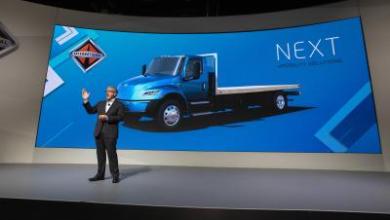
Navistar picks Detroit suburb near major electrification suppliers to locate its NEXT eMobility business unit as it prepares to make its first battery-electric trucks and school buses.
Mass adoption of electric vehicles will happen when they are comparable in cost and performance to internal combustion vehicles.
In today’s edition of The Daily Dash, other states may follow California’s lead in mandating electric-truck sales, danger is a good reason to ignore HOS rules, and funds flow into electrification
From slashing salaries to borrowing money to get to the other side of the COVID-19 pandemic, suppliers Meritor and Dana are keeping electrification programs on track while slowly restarting production.
Supply chains are a major source of carbon emissions. Switching to alternative fuel powertrains and improving equipment utilization levels can help reduce footprint.
Diesel-electric hybrids get less attention than pure electric Class 8 trucks, but niche leader Hyliion Inc. is selling them to Penske Truck Leasing with partner Dana Inc.’s Spicer Electrified components.
Electriphi provides solutions for vehicle electrification and has developed a charging and operations management platform that is built over open standards.
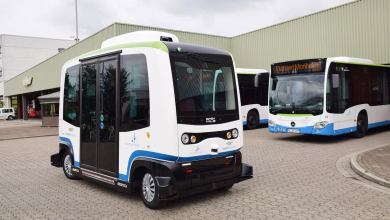
Autonomous electric shuttles hit Columbus; global auto market might slowdown over coronavirus; Nikola Motor to produce trucks in Germany
Aptiv’s Q4 2019 U.S. revenue stood at $3.6 billion, a decrease of 1% year-over-year.
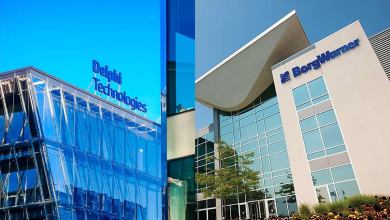
Once the auto industry’s largest supplier, Delphi will disappear as it is absorbed into BorgWarner.
Look for Volvo Trucks and Isuzu to start working together on electric and autonomous trucks next year.