




Thomas Wasson
Monday, June 15, 2026
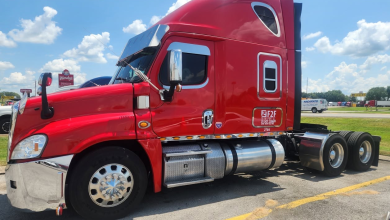
LRT Group acquires F2F Transport
LRT Group acquires F2F Transport. Chattanooga carrier operations continue as group pursues North American growth and fleet expansion.
LRT Group acquires F2F Transport. Chattanooga carrier operations continue as group pursues North American growth and fleet expansion.
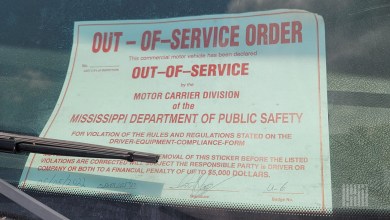
Drawing parallels to COVID-era passenger carriers that either collapsed or strategically positioned for recovery, this analysis examines how predictive financial management, disciplined cost control, and forward-thinking strategy determine which carriers survive brutal market downturns, and why the industry’s broken pricing structure punishes operators doing everything right.
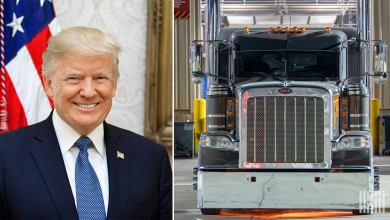
The Beneficial Ownership Information (BOI) reporting requirement has become another regulatory headache for trucking fleets, adding complexity to an already compliance-heavy industry. While designed to combat financial crimes, the Corporate Transparency Act’s BOI mandate has been met with legal challenges, leaving businesses uncertain about their obligations. Despite ongoing court battles, FinCEN continues to push forward with enforcement, meaning most trucking companies structured as LLCs, S-Corps, or partnerships must file ownership details or face significant penalties. With deadlines approaching and regulatory uncertainty persisting, trucking fleets must stay informed, prepare their filings, and avoid compliance missteps.

Cash flow is the difference between survival and failure in the trucking industry. Even a profitable business on paper can collapse if it doesn’t have the cash to cover fuel, maintenance, and payroll. With customers often taking 30, 60, or even 90 days to pay invoices, owner-operators and fleets have to manage cash flow strategically to avoid financial strain.
Tracking cash inflows and outflows, using factoring services, leveraging net 30 fuel cards, and refinancing loans can help maintain liquidity and keep operations running smooth. Smart cash flow management ensures businesses stay profitable, avoid costly short-term borrowing, and remain resilient in an unpredictable market.
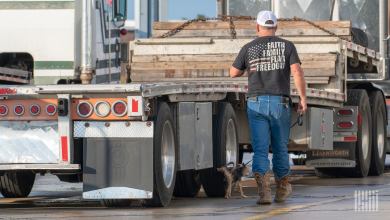
Managing cash flow is about keeping enough of it to stay in business. Many new owner-operators and small fleet owners struggle not because they can’t find freight, but because they fail to control expenses and prepare for financial challenges.
With high startup costs, slow broker payments, and unpredictable expenses like fuel and maintenance, poor cash flow management can quickly derail even the most hardworking truckers. Successful operators track every dollar, minimize unnecessary spending, use financial tools strategically, and plan for market fluctuations to keep their business rolling for the long haul.

Net 30 fleet fuel cards offer owner-operators and fleet managers a cash flow solution providing up to 30 days to pay for fuel expenses. This short-term financing helps bridge the gap between operating costs and customer payments, reducing financial strain and improving flexibility.
Consolidating fuel expenses into a single invoice and allowing time for revenue collection, these cards simplify bookkeeping and can even help build business credit. However, managing payment deadlines is crucial, late fees and missed payments can quickly turn a financial advantage into a burden. When used strategically, net 30 fuel cards keep trucks moving without unnecessary cash flow disruptions.
Managing freight costs is one of the most critical aspects of running a trucking business. Ensuring that invoices are accurate with rising fuel prices, fluctuating rates, and complex carrier agreements is essential for financial stability. Unfortunately, billing errors, duplicate charges, misclassified freight, and unexpected fees are all too common in logistics. That’s where freight invoice […]
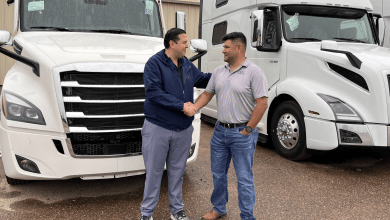
Due to the difficult cycles of the freight market, many small and midsize trucking companies have limited credit history and face challenges financing commercial trucks when business opportunities arise. Dale Delmege of Commercial Credit Group discusses the importance of an independent finance company that knows the trucking industry.

A number of consumer-facing companies have pointed to intensifying spending weakness during Q2 earnings season.

The 3rd-largest North American containerboard and box producer, Packaging Corp. of America, reported an eye-opening 10% box shipment decline.

San Francisco-based Loop wants to simplify logistics payments through a fundamentally different approach to technology.

Many brands don’t have the know-how on inventory turnover and what their rates mean in the long term. But ShipBob believes it may have the answers.

Developing the next generation of liquidity and velocity of payments in the supply chain will require lesson from across other industries.
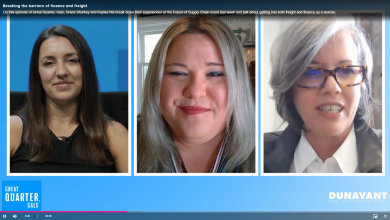
“I think there are a lot of barriers that keep ladies out of finance and freight. It usually starts with ‘can’t.’ Do what you want to do. Don’t listen to the ‘can’t.’” Westjohn said.
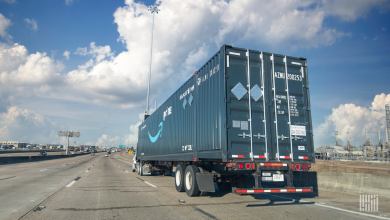
Amazon Freight, the e-commerce giant’s trucking arm, is giving freight brokers 3% or 5% back per load through a partnership with American Express.

In this edition, Fontinalis partner Chris Stallman describes his life-long passion for finance and his favorite 2022 FreightTech themes.

A commonly seen financial term — earnings before interest, taxes, depreciation and amortization (EBITDA) — and why it’s used is explained.

Prologis seeks to sell the largest-ever warehouse portfolio in the U.K. The deal is reported to include 22 properties valued at more than $500 million.
Andrew and Kevin are joined by FreightWaves Lead Economist Anthony Smith to discuss whether the housing market can continue its recovery and lead us out of economic slowdown. Then we give our thoughts on Zillow and Airbnb for the rest of the year. As always, a special thanks to our friends at CarrierDirect with their research contributions […]
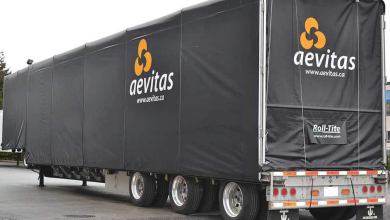
Canadian environmental services company Aevitas adds flatbed fleet with the acquisition of Fast Lane Freight Services.