





John Paul Hampstead
Wednesday, October 23, 2019
Updated: Not as bad as feared: ECHO beats on earnings and revenue
In a tough freight environment, the Chicago brokerage outpaced Wall Street’s expectations.
In a tough freight environment, the Chicago brokerage outpaced Wall Street’s expectations.

Gillihan plans to build a process-driven sales floor that can scale.

Executives from Parade, CoLane, Forager, and Trucker Tools discussed the current state and future of brokerage digitization.

The Backhaulers, Robinson, and Coyote veteran is back to build a brokerage on his own terms.

Matt Silver wants to automate cross-border freight; an industry that many find difficult to manage.

Kar believes a driver’s relationship with an OEM will no longer end after the sale of a truck. That relationship will continue over the lifespan of the vehicle with the introduction of in-cab service technologies.

Truckload carriers are falling off of out-of-network freight; it ends up with brokers.

C.H. Robinson talked to thousands of shippers and carriers. What the company learned prompted them to invest $1 billion into technology.

Traditional freight brokerages are ramping up technological spending to keep pace with the industry.

Expedited brokers said the best months of 2019 are ahead.

The drop trailer pool expands to Los Angeles while Bundles will be nationwide.

Meier will work with Bobby Harris on developing and executing a long-term vision for BlueGrace.

Quebec-based carrier and brokerage Energy Transportation Group is expanding its presence in the U.S. with the recent addition of a Chattanooga office.
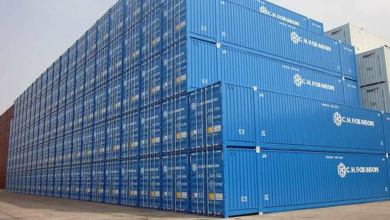
CHRW is facing the toughest competitive landscape in decades, but still has a scale advantage and is investing in tech appropriately.
Brian Laung Aoaeh discusses innovation, technology, and disruption in the freight brokerage market.

The move signals the shift from a tech startup to a mature logistics operation.

Brokers’ gross margins will compress unless they get shippers on board.

Rates and rejections into the Southeast are elevated as trailers and tractors are staged for disaster relief.

Spooked shippers are trying to lock in capacity ahead of the holiday push.

The marketplace for truckload transportation is fragmented and opaque. Relationships between shippers and carriers are tenuous at best, forged and broken by wild swings in capacity availability and rates per mile. In this white paper, Transfix and FreightWaves define the problems distorting the marketplace for truckload transportation, discuss how carriers think about their assets, explain the role of technology in reducing empty miles, and sketch out the economic dynamics that come into play when the marketplace is optimized to free up capacity at the right price.