




Greg Miller
Tuesday, January 16, 2024
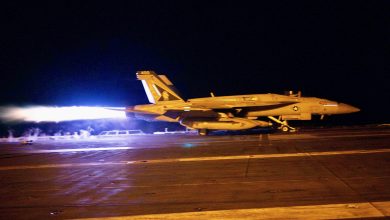
Red Sea conflict worsens, forcing more ship detours around Africa
Container-ship diversions from the Red Sea will likely last for months. Are large-scale tanker diversions imminent?
Container-ship diversions from the Red Sea will likely last for months. Are large-scale tanker diversions imminent?
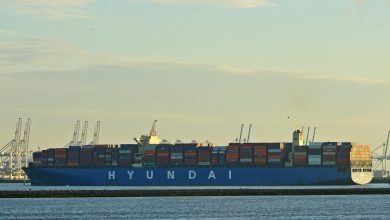
Houthi attacks have been a plus for shipping rates. The latest to benefit: Owners of container vessels that can be rented to shipping lines.
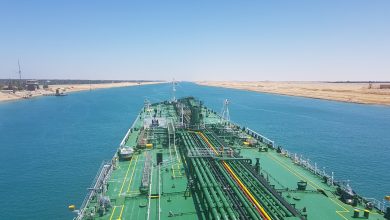
Red Sea escalation would juice tanker rates, but rates would fall if the conflict spilled into the Strait of Hormuz.
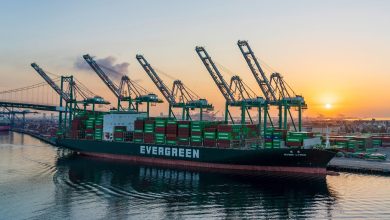
The combination of Red Sea detours and Panama Canal restrictions is having a knock-on effect: higher Asia-West Coast rates.
Imports to Europe and the U.S. East Coast face heavy delays as Operation Prosperity Guardian fails to bring shipping back to the Red Sea.
Shipping stocks are under pressure as some ocean carriers show faith in military protection from Red Sea attacks.
Ocean shipping kept the world’s cargo flowing amid two wars and disruptions at both the Panama and Suez canals.
The key question for container shipping rates: How soon can Operation Prosperity Guardian woo traffic back to the Red Sea?
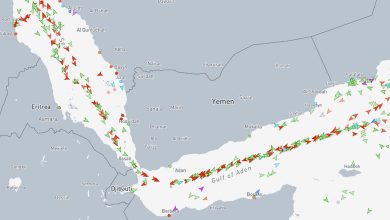
Container ships have forsaken the Red Sea route but many bulk commodity vessels continue to transit the danger zone.
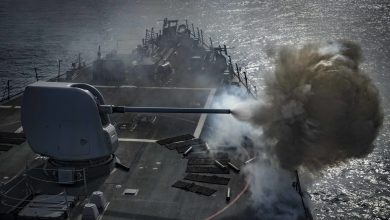
A growing number of ship operators are refusing to transit the Red Sea and taking a very long detour around Africa instead.
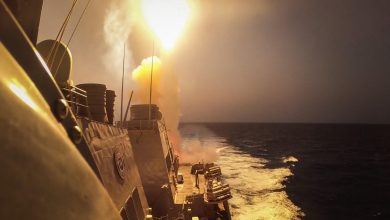
Container-ship route diversions — first to avoid the Panama Canal, now to avoid Red Sea chaos — could help offset rate pressure from newbuilding deliveries.

As war rages in Europe and the Middle East, a new flashpoint in South America could pose more complications for shipping.
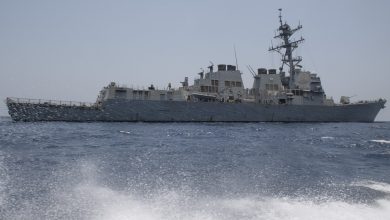
There has been a surge of attacks and threats targeting Israel-linked ships, including one incident where the U.S. Navy came to the rescue.
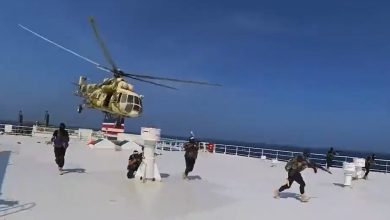
Panama Canal restrictions force more ships to transit the Bab el-Mandeb Strait off Yemen, where they face a hijacking risk.

The era of rapid Chinese growth and large-scale government intervention is over, says China Beige Book CEO Leland Miller.
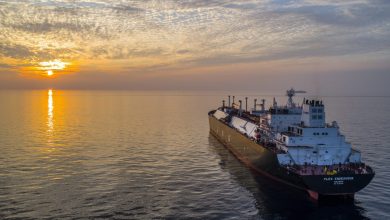
A leading exec in liquefied gas shipping gives his take on war in the Middle East, market fundamentals and shipping stocks.
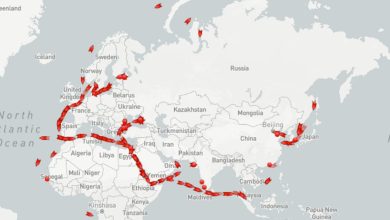
The volume of Russian crude exports is growing and the price is rising, spurring the U.S. and its partners to begin sanctions enforcement.

Geopolitics has always been a key driver of global shipping markets. How could the war in Israel affect rates?
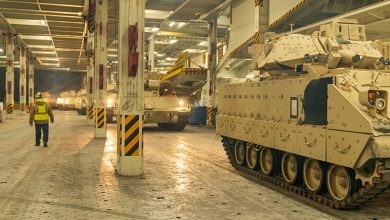
A flood of tanks, military vehicles and weapons systems is flowing from the U.S. to Europe. Shipowner ARC plays a pivotal transport role.
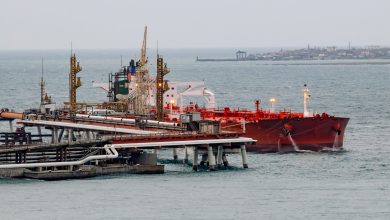
Diesel is an essential fuel for the global economy. The world’s second-largest seaborne supplier, Russia, just halted exports.