




Greg Miller
Tuesday, August 15, 2023
Sanctions on Russian crude and diesel exports are failing
Price caps have been breached, discounts on Russian exports are dwindling, and more money is flowing to Russian coffers.
Price caps have been breached, discounts on Russian exports are dwindling, and more money is flowing to Russian coffers.
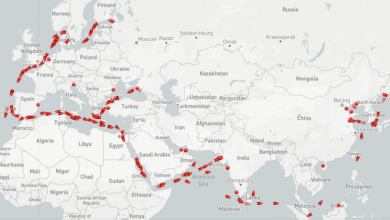
Tanker shipping sanctions compliance is getting a lot more complicated as the price of Russian crude oil rises.
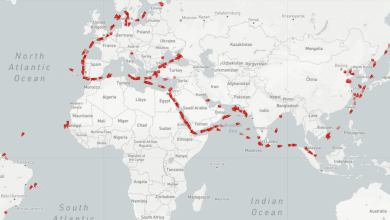
Mainstream European tanker owners that are willing to load Russian oil are far outperforming the broader market.
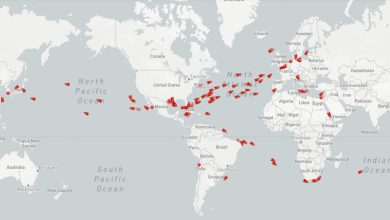
Europe faced a potentially disastrous energy shortage after war broke out. LNG shipping played a vital role in limiting the fallout.
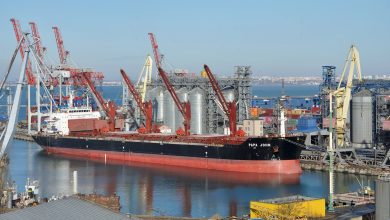
The war has stoked fears of global shortfalls of wheat, corn and fertilizers, but the flexibility of shipping trades has limited the risk.
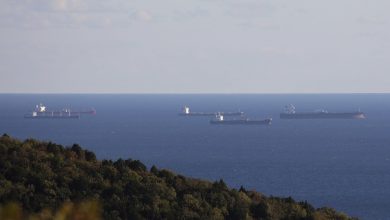
Mainstream tankers have moved into the Russian crude export trade. The price cap might push them back out again.
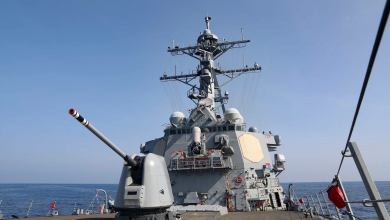
“We are starting to see ocean carriers systematically take geopolitical risk into consideration,” says Xeneta’s Erik Devetak.
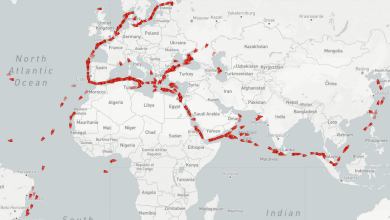
More Western tankers are jumping into the Russian trade — legally, under the price cap — to pocket big freight premiums.
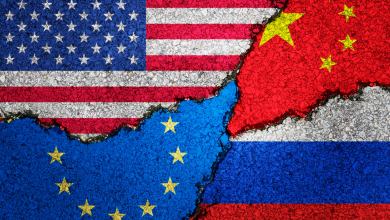
Worsening China-U.S. relations underscore how pivotal geopolitics has become to global shipping and trade.
Larger crude tankers are moving more U.S. exports on shorter voyages to Europe as long-haul volumes to China stagnate.
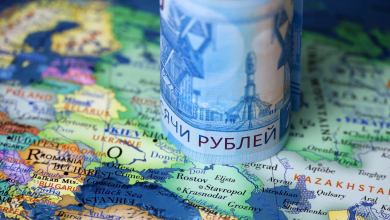
After a year of sanctions and “self sanctions,” shipping cargoes caught in the crossfire continue to find their way to buyers.
Sanctions have split the world’s tanker fleet in two. On one side, those that follow Western rules; on the other, those that don’t.
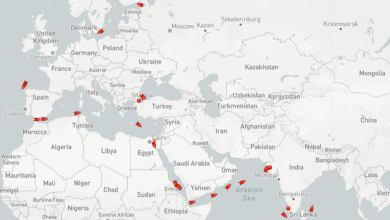
Russian crude restrictions are having the predicted effect on tanker trades, soaking up more vessel capacity as sailing distance lengthens.
Sanctions on Russian crude exports have yet to boost tanker rates. Some question whether sanctions on Russian diesel will either.
The predicted boost to tanker rates from Russian crude disruptions has yet to materialize. Instead, rates have declined.
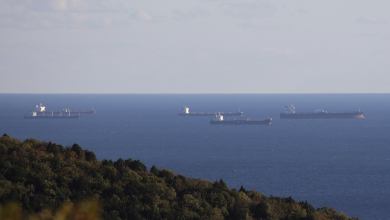
Even if no oil moves under price caps, Russian exports could face deep discounts and continue to flow via “shadow tankers.”
Global energy trades face even more tumult ahead. “This could get crazy,” says Scorpio Tankers’ Robert Bugbee.
Europe must replace all seaborne crude imports from Russia within the next few weeks. Crude tanker owners stand to gain.
Product-tanker share prices are up triple digits year to date as investors position for sanctions upside.
Supply chain planners will walk a precarious path in 2023, according to S&P Global transportation expert Paul Bingham.