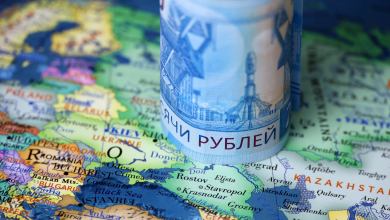
Russian oil exports are still booming and EU is still reliant on Russia
The EU is going to ban imports of Russian crude and petroleum products. It still has a long way to go to find replacement supplies.

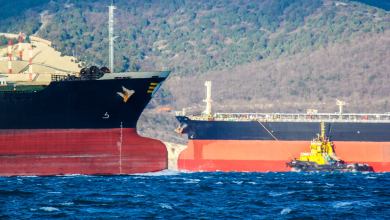
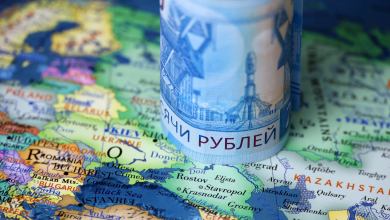
The G-7 plan to squeeze Russia’s oil profits hinges on the EU revising its own sanctions. Those revisions face opposition.
“Right now, shipping companies around the world are looking at this and scratching their heads,” says sanctions expert Bruce Paulsen.
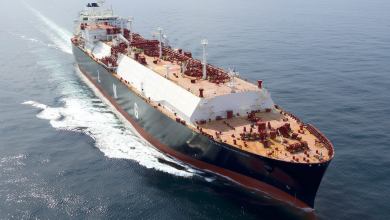
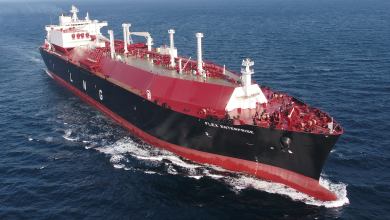
The Russia-Ukraine war caused demand for LNG to surge. Owners of LNG carriers are in prime position to profit this winter.
It looks increasingly likely that war-driven changes to global crude flows will persist for an extended period.
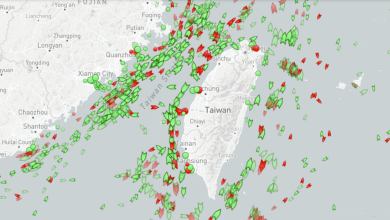
Chinese military exercises in the Taiwan Strait will delay shipments. Further escalation could have dramatic supply chain effects.
EU sanctions on Russian petroleum exports could have much more serious repercussions than earlier U.S. moves.
It took longer than expected, but the IMO 2020 investment pitch — save on ship fuel by installing scrubbers — is paying off big time.
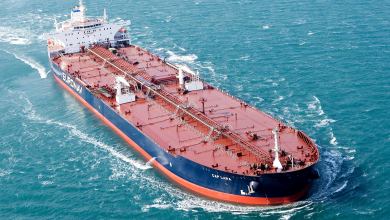
Without sanctions, tankers will keep loading Russian oil. ‘We’re not taking a moral high ground,’ says Frontline’s CEO.
First came a pause in cargo bookings to Russia. Now, ocean carriers have halted almost all of their Russian port calls.
Container-ship transits of the Panama Canal are up as liners favor the East Coast. LNG transits are down as U.S. gas heads to Europe.
Russian imports via ocean, truck, rail and air are now being simultaneously squeezed. Shipping data shows growing pressure.
The future of global supply chains is in flux. The pandemic was a game changer. Then came the war.
Charter rates hold steady at their peak as the seemingly neverending container shipping boom continues.
U.S. LNG cargoes were already flooding toward Europe months before the new deal. Real progress seems years away.
Some shipping shares are rising because of war tailwinds. Others are rising despite war headwinds.
Cost of shipping crude oil remains cheap, but tanker rates could jump if the war doesn’t end by fall.
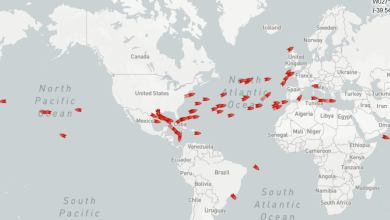
Ship-position data shows a fleet of LNG carriers en route to Europe amid scramble to bolster energy supply.
Invasion and price spikes could destroy demand, weaken consumer confidence and curb cargo volumes, warns BIMCO.
The cost of the fuel consumed by the world’s commercial ships has skyrocketed — and it’s still rising.