Trump prepares opening moves on trade
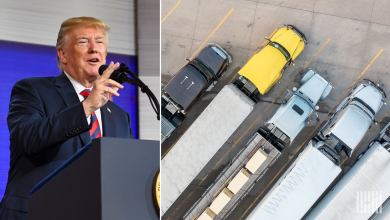
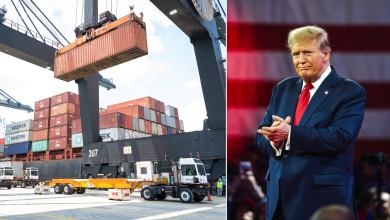
President Trump said he was considering Feb. 1 as a start date for tariffs against Canada and Mexico, directing federal agencies to assess compliance with recent trade agreements.
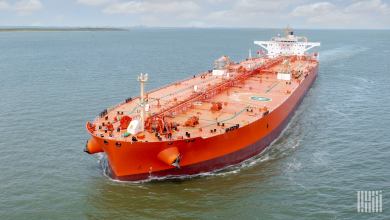
The latest U.S. sanctions on Russian oil are rumored to be expansive, encompassing two Russian oil companies and more than 100 tankers, as well as oil traders and Russian insurance firms. The sanctions may also hit Chinese banks that facilitate Russian oil trades.
Current forecasts indicate a significant escalation in tariff levels, potentially rising to an imposing 75% on Mexican goods by September 2026, aligning with a strategic pivot toward a protectionist trade policy.
Blanket tariffs, like any other tax, may include certain exemptions. It is these exemptions — not the tariffs themselves — that are the real tool.
For months now, it has been clear that shippers have frontloaded record imports to the country, largely to avoid expected tariffs.
The end of Panama’s dry season is in sight, and the Panama Canal Authority plans to welcome more vessels in the coming weeks.
Ship recycling has fallen to its lowest level in 20 years, per a recent report by the Baltic and International Maritime Council.
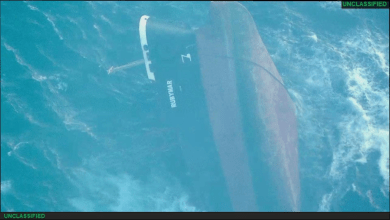
If China and Russia find the Houthi problem in the Red Sea as intractable as the U.S. and its allies have, it would all but halt what little maritime traffic remains in the region.
Rates are still high and ships are still rerouting, but global supply chains appear to be adjusting to restricted Red Sea trade.
Houthis, the Lunar New Year, drought in the Panama Canal, an impending potential strike and the upcoming election mean rough seas in 2024. Here’s how shippers can protect themselves.
Dockworkers are fully prepared to swap pallet jacks for picket signs come October.
A recent string of Houthi attacks have reignited concerns about the Red Sea crisis, raising the floor for tanker rates.
The crisis in the Red Sea will require companies to start planning for peak season in the next few months.
A rise in Chinese imports indicates seasonal trends are playing out as usual, very much unlike 2023’s anemic performance.
A recent round of U.S. and British strikes raise fresh questions about the impact of container shipping in the Red Sea.
Houthi attacks and Red Sea diversions will not spur inflation or a new supply chain crisis, claims consultancy Drewry.
The Russia-Ukraine war led to enduring changes in shipping routes. War in the Middle East looks likely to do the same.
Spot rates remain very high, but appear to have plateaued. The question ahead: Will they fall back after Chinese New Year?
The initial effect of Houthi attacks was on containerized consumer goods. The attacks are now snarling seaborne fuel flows.
Amid the focus on wars in Europe and the Middle East, North Korea’s threat to key exporting and shipbuilding nations grows.