Daily Infographic: Greenhouse Gas Emissions and the Transportation Industry
Transportation is the third-largest global contributor to greenhouse gas (GHG) emissions. Here’s an overview of the impact of the sector’s carbon footprint.
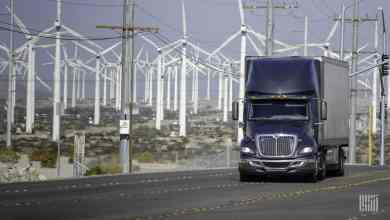
Relying on fossil fuels to move people and goods creates a massive carbon footprint that the transportation industry is only starting to address.
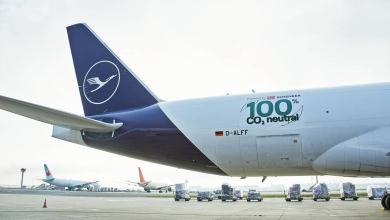
Lufthansa Cargo and DB Schenker are flying carbon-neutral weekly routes from Germany to China, using carbon offsets and sustainable aviation fuel.
C.H. Robinson on Thursday debuted its Emissions IQ self-serve tool for tracking carbon emissions from transportation.
Electric-assisted cargo bikes are being implemented as cities face challenges with congestion, air pollution, greenhouse gas emissions and parking.
Scope 3 emissions are often left out of corporate emission-reduction goals and disclosures, but “they have to be on someone’s books,” said Lila Holzman, senior energy program manager at As You Sow.
DPDHL is making large commitments related to sustainable aviation, electric last-mile delivery vehicles and social impact projects in its recently released sustainability road map.
In the midst of vehicle electrification, Terminal Investment Corp. is enlisting the help of Volvo Penta and Cummins to create its first terminal tractor with an electric powertrain.
Investor-led climate change initiative Climate Action 100+ assessed 159 corporations that contribute most to global industrial GHG emissions to evaluate progress.
Geosite’s energy lead Jeff Williams describes how his company fuses together data from various sources to enable energy clients to glean an informed perspective on their greenhouse gas emissions output.
Schneider’s corporate sustainability goals include plans to reduce per-mile carbon emissions 60% by 2035 and focus on fleet electrification.
A recent survey conducted by Convoy highlights how truck drivers, dispatchers and owner-operators view different sustainable trucking issues and regulations.
Certified B Corporation Flock Freight raises the bar with a commitment to offset carbon emissions from FlockDirect shipments for customers.
OmniTRAX sets sights on Sand Springs; advisory group approves Union Pacific’s emission reduction targets.
A Shell and Deloitte joint study addresses economic, technical and regulatory factors related to decarbonizing road freight.
Kansas City Southern’s new, more stringent emission target will keep the company in line with the Paris Agreement emission goals.
The Fuels Institute dives deep to find the impacts that different transportation-related environmental initiatives have on consumers and the environment.
DHL Supply Chain experts share how the company has adapted its sustainability efforts due to the COVID-19 pandemic and offer sustainability tips for businesses.
Wabash National discloses Scope 1 and Scope 2 GHG emissions in its first sustainability report.
NATSO and other retail fuels industry trade groups urge states not to join the Transportation Climate Initiative Program.