




Mark Solomon
Monday, November 12, 2018
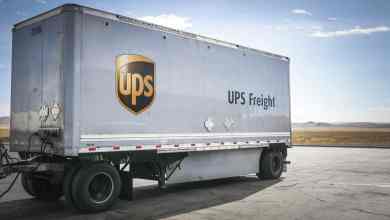
UPS Freight shippers took volume elsewhere as strike concerns loomed. Will they return?
UPS advised shippers to take LTL business elsewhere. They did.
UPS advised shippers to take LTL business elsewhere. They did.

The freight market remains slow in most parts of the country except for one. Will it spill into other regions?

Expeditors navigates around pricing pressure to post solid Q3 results.

Higher rates ahead for FedEx shippers.

Shipper executive takes UPS, Teamsters to task.

The freight market is showing the first signs of turning in over a month. Is this the start of retail season?

An advanced “BOSS’ fulfillment model is ready for the holidays.

Shell introduces ultrafast charging stations to Europe; UPS increases capacity at the wake of the holiday season; CMA CGM offers to buyout Ceva Logistics.
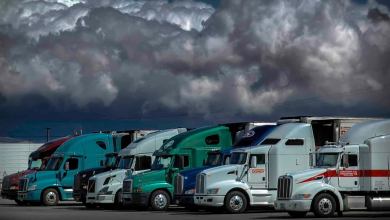
The freight market continues to stabilize, but there should be a little fuel left in the tank for one more seasonal push before the holidays.

For the first time ever Target will offer free, two-day shipping with no minimum purchase required this holiday season, in a bid to win shoppers over rivals like Walmart and Amazon.

Overall truckload volumes and spot rates are soft, but a huge wave of containers hit the West Coast in September, retail demand is strong, and additions to the national fleet of drivers have been marginal.

In Partnership with Arrive Logistics… we talk freight market data with executives from Arrive Logistics and ask them how they’re preparing to handle surging volumes in Q4 and beyond.

Retail activity eked out a meager gain for the second consecutive month, as a sharp decline in spending at restaurants weighed down the headline numbers. Retail conditions remain generally solid, however, as the sector looks poised for healthy growth to round out the year.
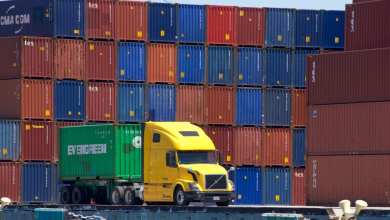
Indices are clearly signaling that the container volume coming in through the Long Beach/LA port is surging and bodes well for the holiday shopping season.
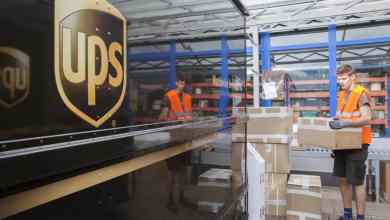
Parcel giant UPS announced today that it expects to hire about 100,000 seasonal employees to support the anticipated surge in package volume that will begin in November and continue through January 2019.