




Zach Strickland, FW Market Expert & Market Analyst
Saturday, July 18, 2026
Intermodal’s historic growth
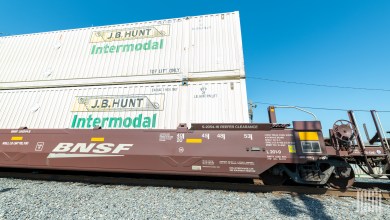
J.B. Hunt’s strong earnings were largely driven by a historic growth in intermodal usage.
J.B. Hunt’s strong earnings were largely driven by a historic growth in intermodal usage.

Supply chain adaptations have led to diminishing distances for truckloads. The shrinking length of haul has mitigated some of the recent market capacity shortfalls.

Truckload rates have increased on a main transcontinental artery, showing that the value of truckload service has grown even though there is less demand for it.

Surface transportation rates took a hard right to start the year, thanks to shifting supply chain strategies and a slowing economy. Is this just a pause or is there further to fall?

Container bookings data has rebounded back to previous year levels. Is a wave of freight coming to surface markets?
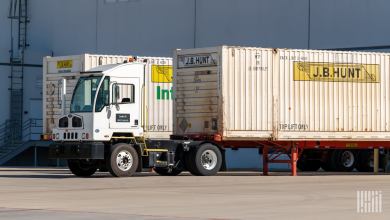
J.B. Hunt Transport Services said it will focus on what it can control as the industry awaits a meaningful recovery.

There is more than meets the eye looking at the aggregate inventory level data. Retailers are shedding goods at a faster rate than their upstream counterparts, making the total look like a wash. This bodes well for 2025 from an economic perspective.

Intermodal providers are taking share with grace, but is it counterproductive to pricing gains?

Inventory pull-forward has been the driving theory behind container import growth, but data suggests that may not be as true as people think. What are the implications to domestic transportation markets?
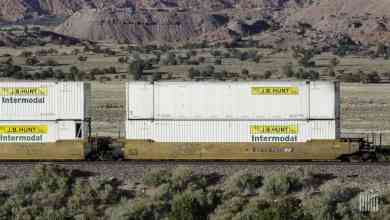
Shares of J.B. Hunt Transport Services move 9% lower after the company fails to meet recently raised analyst expectations. Intermodal service headwinds and elevated costs were the culprits.

Improving demand and truckload fundamentals are expected to drive third-quarter growth. The carrier’s growing cash balance garners some attention.