Today’s Pickup: Companies are splurging on self-driving technology with no commercial deployment at sight
Uber spends over $1 billion every year on Waymo; Lyft is nearing its IPO; Fiat recalling 863,000 cars due to emissions issues.
Residents of Northeastern states are struggling with increased electricity costs and an unreliable energy supply as elected officials contemplate expanding natural gas pipelines in the region.
Germany’s Federal Minister for Economic Affairs and Energy Peter Altmaier announced earlier this week that European nations were ready to build the necessary infrastructure to import liquefied natural gas (LNG) from the U.S. At this time, Europe has 28 ‘regasification’ import terminals.
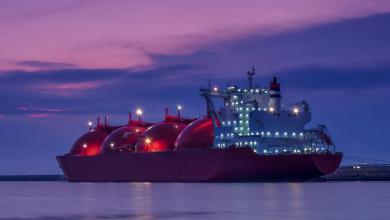
New icebreaking LNG carriers are sailing directly from Russia to China through the Northern Sea Route, creating a faster, cheaper connection between some of the world’s largest gas fields and the world’s largest gas consumers.
Eastbound containers and westbound LNG drove record Panama Canal volumes in May. Last month was the third time the canal has broken tonnage records since the expansion was completed in 2016.
U.S. Xpress goes public; retail sales numbers explode for May; BNSF seeks positive train control delay; Brussels airport goes to blockchain for air cargo management; American LNG exports expected to benefit the entire economy.
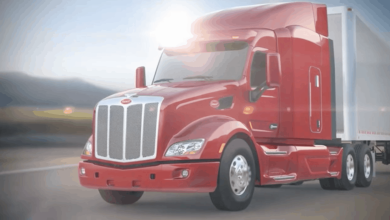
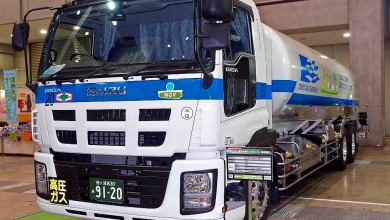
The technology and product offerings for LNG/CNG Class 8 trucks are well ahead of battery-electric vehicles. Rising diesel prices may spur another wave of natural gas-powered truck adoption.
LNG carrier charter rates have posted the strongest recovery since the 2015-6 crash in maritime shipping, and 9.7% YOY growth in capacity hasn’t been enough to keep up with demand.
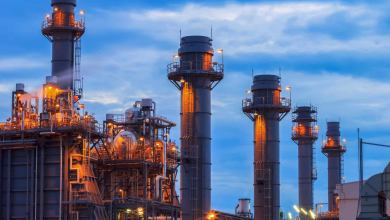
The burning of natural gas instead of coal offers important and immediate benefits, including reduced air and water pollution, fewer smokestack carbon emissions, less power plant water use, greater flexibility of the power grid, and renewed economic development in gas-rich regions of the country.