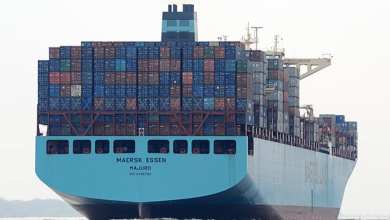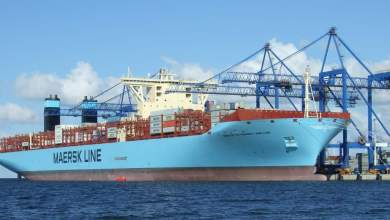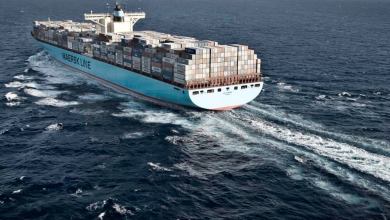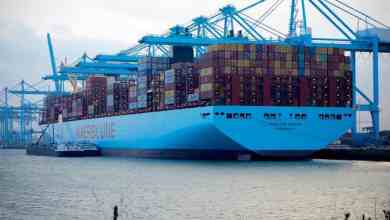
Maersk plans to recoup $2 billion in low-sulfur fuel costs from shippers with new charge
World’s largest shipping company outlines new surcharge stemming from switch to low-sulphur fuel.
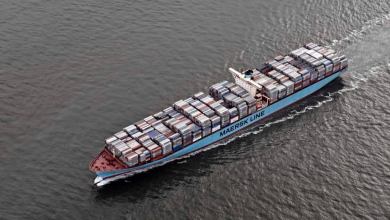

As late as last month, Maersk leadership insisted that scrubbers were not a solution for the new fuel regulations imposed by the International Maritime Organization beginning in 2020, but now they’ve admitted they will install scrubbers on some vessels.
Tariffs Hurt the Heartland sends a letter to Congress today, F1 inspires air taxi development, and more in Today’s Pickup.
Ripe.io provides enterprise blockchain technology for the food and agriculture industry in an effort to create greater trust and transparency between food producers, contributors and consumers.
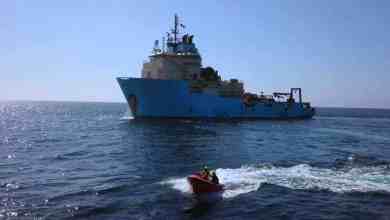
A Maersk vessel will be first involved in massive clean-up effort.
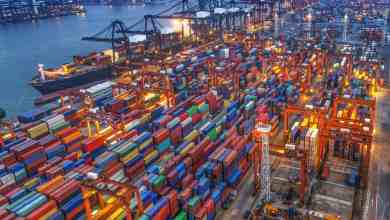
Ocean carriers and terminals have seen a boom in the fees they charge for container usage. But U.S. regulators are looking at the practice.
Maersk foresees a $2 billion increase in fuel costs due to sulfur-emissions cap; U.S. consumers might witness increase in car prices after U.S.-Mexico deal; Indonesia is seeing a tremendous growth in ecommerce; German car manufacturers are facing a battery production crisis.
A staid and technology-averse industry is in the process of changing thanks to new entrants.
Maersk plans to make extra capacity available to shippers on NYSHEX
Maersk Line chief executive Soren Skou says ocean carriers need to make the customer experience easier.
Microsoft and IBM’s enterprise blockchain projects consume a lot of media bandwidth, but there is more exciting and ambitious work being done in transport and logistics by a thriving community of startups.
World’s largest shipping company says over-capacity and fuel costs, not trade war, are the main issues.
State-backed Asian container lines have plans to rapidly expand their capacity; meanwhile Maersk cuts its guidance for 2018 by nearly a billion dollars in EBITDA.
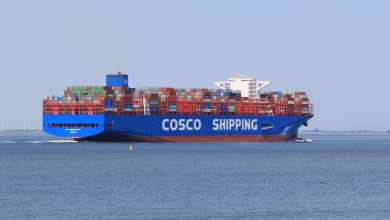
COSCO shipping came under a cyber attack this week, which reinforces the need for comprehensive cybersecurity regulations within the maritime industry as the future moves towards port automation and autonomous shipping.
Container line alliances are cutting capacity on their transpacific services in anticipation of a major slowdown in the US-China trade relationship due to tariffs. We see downside risk for Union Pacific and BNSF intermodal volumes, as well as JB Hunt.
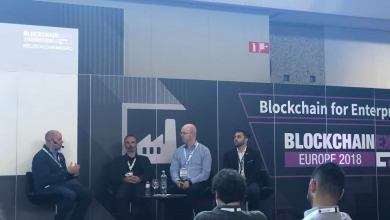
In a blockchain conference held this week in Amsterdam, a panel discussed the potential and impact of blockchain in the transportation and logistics industry.
Drivers find productivity gains after ELD hard enforcement; Canadian Pacific workers’ strike imminent; Brazilian truckers extract over $2B in govt concessions; Maersk rolls out blockchain-based maritime insurance; WaPo interviews truck drivers on the lifestyle.
Maersk grew its revenues by acquiring Hamburg Süd and selling off Maersk Oil, but reported negative earnings on increased fuel prices and low spot rates.
Earnings season is here; UPS posts 13th quarter of double digit growth; Knight-Swift finds synergies; Maersk trials autonomous ships; the Mustang is the last Ford car left; Barclays and Goldman Sachs collab on data standards for derivatives and blockchain; Union Pacific beats the Street.
Transportations companies with cross-border business are exposed to tariff risks; new home sales fall unexpectedly; the Dow crosses below its 120-day moving average; acquisition-minded trucking companies face new financial scrutiny; Target and Kroger merger rumors.