




Michael Rudolph
Friday, December 1, 2023
The most wonderful time
Tender volumes were outpacing 2022 levels before the holiday and came within spitting distance of 2020 — freight demand’s second-best year on record.
Tender volumes were outpacing 2022 levels before the holiday and came within spitting distance of 2020 — freight demand’s second-best year on record.
This week, freight markets underwent a surprising rally that saw a wave of volumes sweep across the country.
Domestic manufacturers fail to inspire optimism, since they foresee major headwinds on output in the first half of 2024.
The upcoming months are littered with major holidays during which carriers can leverage seasonal constraints on capacity for higher spot rates.
Outside of the holiday rush periods, the fundamental lack of freight demand will continue to expose the lingering overcapacity in the market.
Given the surplus of available capacity, shippers are more confident in switching to “just-in-time” freight strategies as consumer resilience remains an open question.
By next week, it is likely that actual freight flow will have finally risen on a yearly basis for the first time since May 2022.
Consumer demand during the holiday season is expected to be relatively soft, which should temper expectations for a red-hot peak season in truckload markets.
Perhaps the most pressing question for both freight markets and the broader economy is how the consumer will fare in the coming months.
Rejection rates gathered some promising momentum in the run-up to Labor Day, though these gains are slowly being lost.
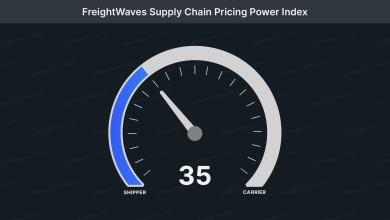
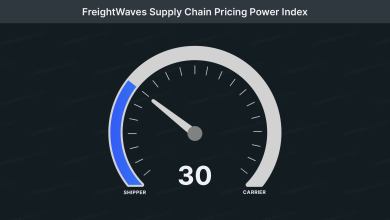
After a none-too-brief break, the Pricing Power Index is resuming its regular Friday schedule.
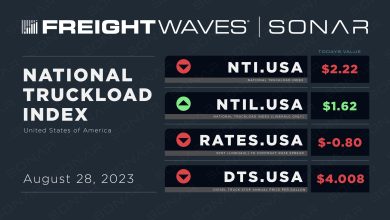



NTI works to provide carriers with actionable data and benchmarking studies, enabling them to make informed decisions about their own compensation packages.
Against significant odds, the Federal Reserve might realize its once-unlikely goal of a “soft landing” — that is, taming inflation without also triggering a recession.

Freight volumes continue to trend sideways, which is a positive sign overall as the 15th of July traditionally marks a time for slowing demand in the freight market.