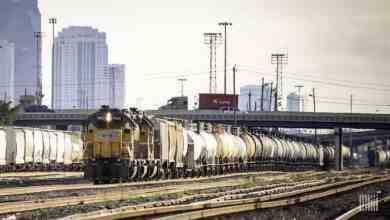
NTSB recommends better placement of buffer cars
The National Transportation Safety Board said the freight rail industry needs to reconsider where it places buffer cars on high-hazard flammable trains in order to reduce potential accident severity.
An investigation is underway into a fatality that occurred last week at CSX’s Acca Yard in Richmond, Virginia.
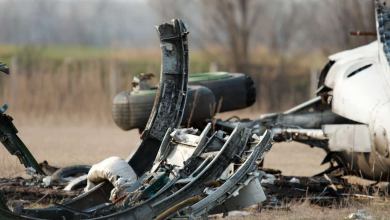
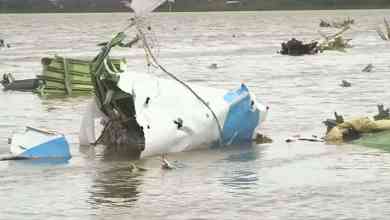
Blame game: The National Transportation Safety Board says an incompetent co-pilot caused an Atlas Air cargo plane to crash. Contributing factors were an inattentive captain, poor pilot vetting by the company and the FAA’s slowness developing a database for pilot records. The pilots union only points the finger at the company and the FAA.
Recipe for disaster: a pilot who made serious mistakes, panicked, had a history of reacting poorly under stress and lied about it to his employer – Atlas Air.
U.S. safety investigators will hold a hearing in July as they try to find out why a big cargo jet carrying Amazon packages crashed last year.
Sixteen people died in six fatal cargo plane crashes in 2019.
NTSB asserts added flexibility could increase risk of crashes
Taken by themselves, recent safety concerns with Boeing aircraft might be seen as part of normal checks and balances. But in the wake of the 737 MAX accidents, any safety question is receiving extra public scrutiny.
Federal agency finds company’s “Autopilot” technology played a role in 2018 accident.
The entire Boeing 737-MAX fleet is now grounded following an FAA decision that followed similar decisions by China, the U.K. and others.
NTSB will look at the potential for hazmats such as lithium-ion batteries as a contributing factor in last week’s Atlas Air crash.
Positive Train Control isn’t just about safety anymore as the railroads revisit how the technology can generate capacity and save money.
The railroads have delayed installing life-saving automatic braking technology for another two years, and the NTSB is running out of patience.
A former NTSB executive tells FreightWaves that “perishable information” critical to freight accident investigations is at risk of disappearing.