




Greg Miller
Monday, January 31, 2022
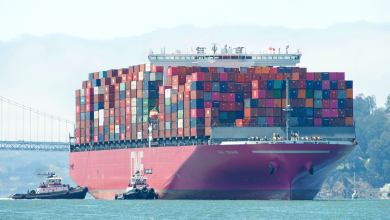
Container shipping has greatest quarter ever — with more to come
Carrier profits are reaching previously unimaginable heights as supply chain disruptions supercharge gains.
Carrier profits are reaching previously unimaginable heights as supply chain disruptions supercharge gains.

SoCal imports suffering multimonth slide, not because of falling demand, but because of supply chain bottlenecks.
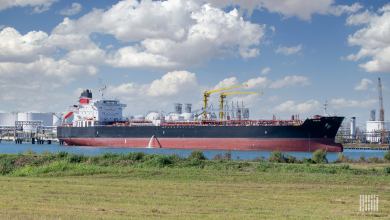
Shipping analysts rethink outlooks on crude and product tanker rates: already grim market appears even grimmer.

An attack on Ukraine could hike costs for shipowners and cargo shippers across the globe.
Could container shipping and tanker stocks end 2022 very differently than they began it?
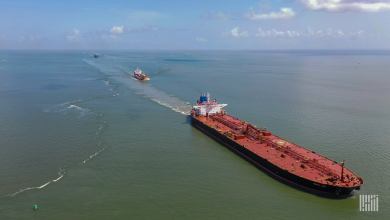
For bulk commodity shipping, a rough start to the year. For container shipping, the profit bonanza continues.
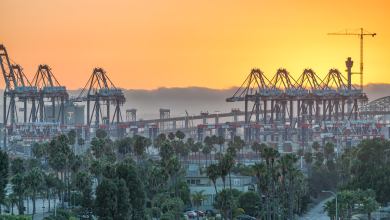
No letup yet: It’s taking even longer for Asian exports to get across Pacific to American buyers.
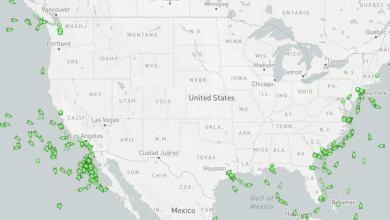
Popular interest in the supply chain may have faded, but the pileup of ships waiting offshore keeps growing.
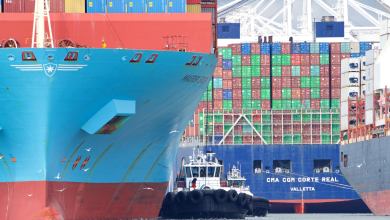
New barometer from NY Federal Reserve highlights how extreme supply chain crunch has become.
How could the consensus — that container spot rates will remain extremely high — be wrong?

MSC sues Deere, patent owner sues six shipping lines, box-overboard cases pile up, and Hanjin’s ghost tries to collect.
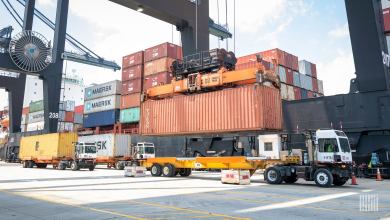
The Federal Maritime Commission is ratcheting up pressure on ocean carriers to reduce logistical challenges for their customers.
There has never been a year like this for container shipping. Here are the biggest stories of 2021.

After an exceptional year for ocean shipping, the data points to more action ahead in 2022.
Spot rates topped $300,000/day, sank to teens, rose to over $360,000, now back near $100,000.
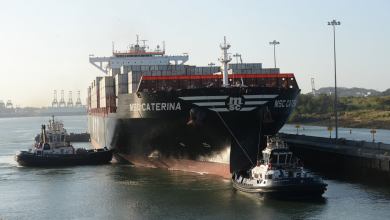
Carriers and shippers are turning to East Coast ports as Los Angeles/Long Beach remains mired in congestion.
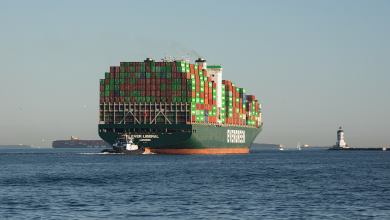
Import demand remains exceptionally strong but volumes through America’s largest port are falling.

SoCal port crunch “has really become as bad as it’s ever been,” reports industry veteran Jon Monroe.
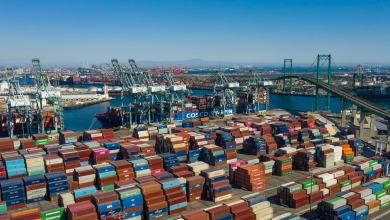
After brief reprieve, trans-Pacific shipping rates head back up, pointing to ongoing supply chain pressure.

Some public shipowners are turning toward more diverse fleets. Others are moving in the opposite direction.