





Greg Miller
Thursday, July 20, 2023
Ship fuel spreads and LNG prices fall to lowest levels in years
Spreads between high- and low-sulfur fuels are down to pandemic levels and LNG has become much more economical.
Spreads between high- and low-sulfur fuels are down to pandemic levels and LNG has become much more economical.
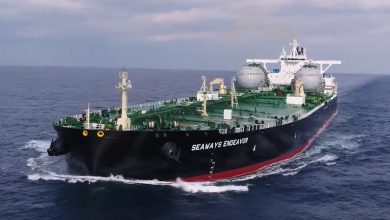
Shipowners have invested billions in the LNG fuel option in the belief that it will benefit regulatory compliance and the environment.
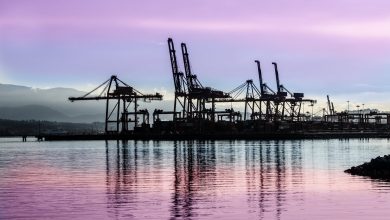
U.S. rail imports from Vancouver and Prince Rupert are imperiled again. ILWU Canada has rejected the proposed dockworkers contract.

Shipping stocks in sectors with high deliveries of new ships are doing better than those with low orderbooks.
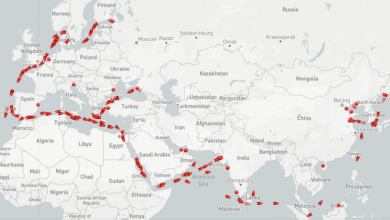
Tanker shipping sanctions compliance is getting a lot more complicated as the price of Russian crude oil rises.
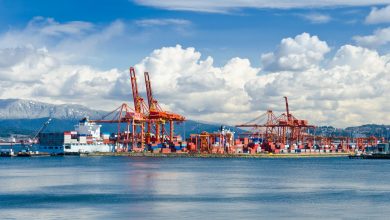
The extended strike in western Canada was beginning to affect U.S. supply chains. Its resolution limits the fallout.

Sulfur pollution addressed by IMO 2020 created a health risk, but that pollution had a cooling effect, which has now been reduced.
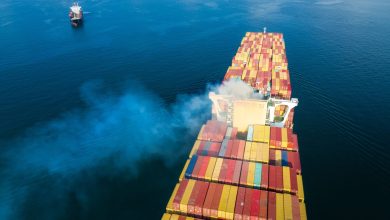
The agreement should keep tanker and bulker orders in check, while increasing the risk of a future carbon tax on container shippers.
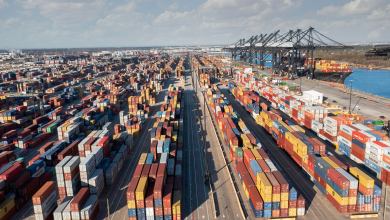
June volumes of containerized imports were higher than normal and the National Retail Federation predicts more gains ahead.
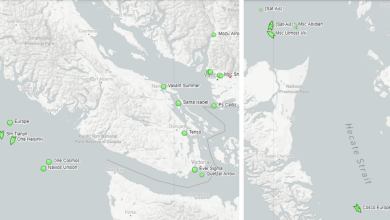
U.S. imports via Canadian ports face rising fallout as the war of words escalates between dockworkers and employers.
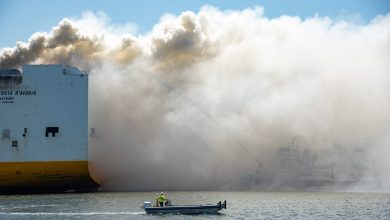
New Jersey container imports are unscathed “so far” but the port’s automobile trade faces fallout from the ongoing fire.
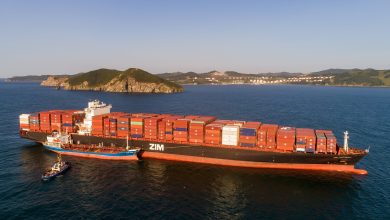
Sluggish demand is capping shipping lines’ income. In response, at least one carrier is reportedly moving to limit losses on legacy charters.
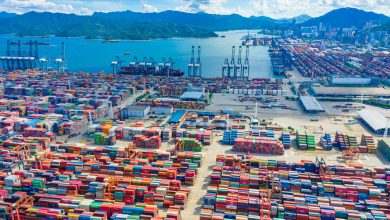
Declining demand for Chinese exports and reduced stimulus options threaten bulk commodity import prospects.

The Wagner mutiny is drawing attention to what happens after the war in Ukraine ends. When it does, shipping will see major changes.
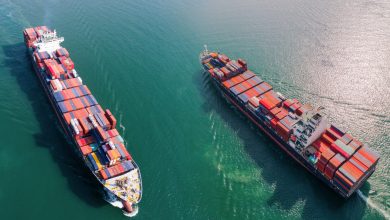
Trans-Pacific spot shipping rates remain under pressure, slumping back again as U.S. import demand comes up short.
The International Energy Agency predicts Asia will buy growing volumes of U.S. crude through 2028. That’s good news for supertanker demand.
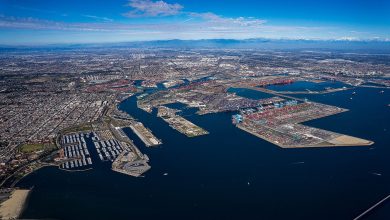
The U.S. supply chain has dodged a bullet. A new dockworker labor deal will keep the peace at West Coast ports.
“Patience is wearing thin. Neither side imagined it would take this long,” says the head of the Port of LA on dockworker contract talks.
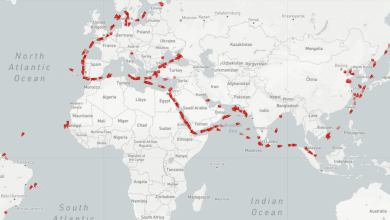
Mainstream European tanker owners that are willing to load Russian oil are far outperforming the broader market.
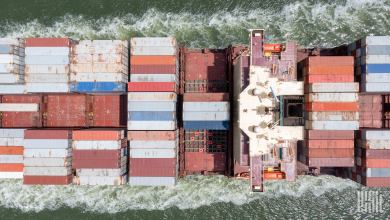
This year’s peak season could see West Coast labor disruptions coincide with Panama Canal water levels impeding cargo flows to the East Coast.