West Coast dockworkers making $200K demand higher pay
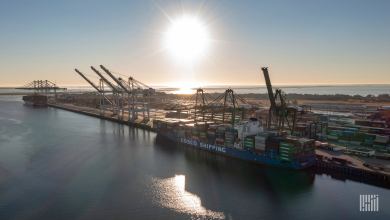
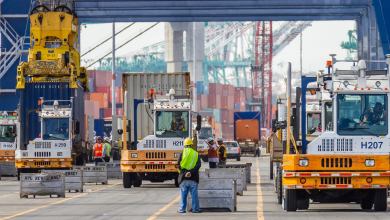
Dockworkers who keep West Coast cargo flowing are highly paid. Their bid for even higher pay is starting to affect the cargo flow.
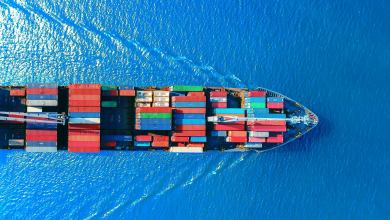
Demand remains tepid, yet shipping lines have pushed spot rates off the bottom and secured contract rates above spot levels.
The dockworkers’ union and terminal employers are still sparring over wages and benefits more than a year after contract talks began.
Five years after bringing dry bulk freight futures to the masses, Breakwave makes a splash in tanker investing.
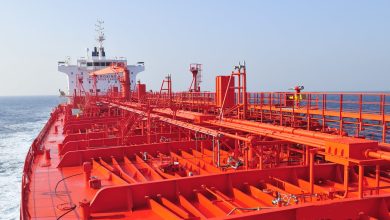
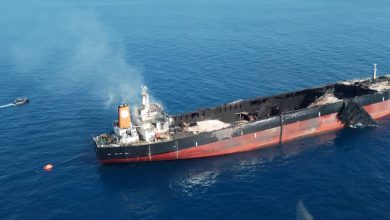
Older ships are being kept in service longer in pursuit of profits, heightening the risk of accidents and spills.
Despite a slow Memorial Day start, summer demand is expected to hike tanker rates in the months ahead.
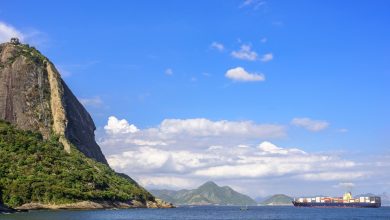
Not all cargo markets are back to pre-COVID “normal.” Container shipping rates to South America remain elevated.
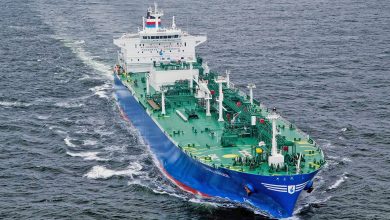
Large liquefied petroleum gas tankers are riding high on rising U.S. exports and higher Chinese import demand.
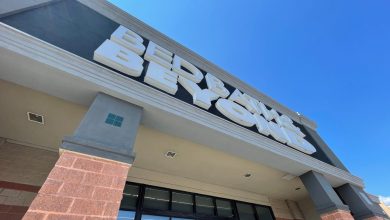
Bed Bath & Beyond “failed to manage its own supply chain” and “exacerbated the bottlenecks faced by other shippers,” alleges OOCL.
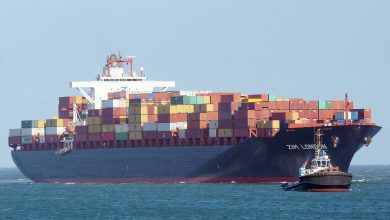
Zim outperformed competitors on the way up and is falling faster than other carriers on the way down.
Trans-Pacific spot rates have pared earlier gains and remain at loss-making levels. Demand has yet to rebound.
Europe faced a potentially disastrous energy shortage after war broke out. LNG shipping played a vital role in limiting the fallout.
Outsize profits are still flowing to companies like Danaos and Costamare that lease ships to container lines.
The container shipping party is over — that’s old news. Yet headlines continue to focus on comparisons to the peak.
The CEO of shipping line Hapag-Lloyd argues that current freight rates are unsustainable and will correct upward over time.
Is the sharp decline in shipping stocks a canary in the coal mine or an opportunity for investors to buy the dip?
America’s imports are not signaling a recession, at least not yet. Inbound volumes are rising from the bottom.
The war has stoked fears of global shortfalls of wheat, corn and fertilizers, but the flexibility of shipping trades has limited the risk.
Inventory destocking is the biggest container shipping headwind, says Maersk. Its data shows no evidence of inventory pressures alleviating yet.
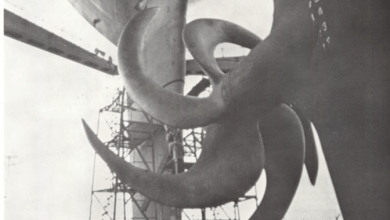
In 1975, two identical ore/bulk/oil (O/B/O) ships underwent efficiency experiments. During one of these experiments, a new propeller concept broke midjourney, but the ship continued its duty with no changes in performance and the crew had no idea until it reached its destination.