The FreightWaves oil report: a tumbling market pushes prices down to levels of mid-2017
It was a great week if you are an oil buyer, but if you produce it, it was one to forget as oil prices break substantially below $50.


On today’s episode, Chad Prevost and Oil Market Expert, John Kingston, discuss what’s going on with diesel and oil right now.
Uber and Lyft are battling on who would go public first; oil production sees a dip in November; Amazon Go to venture into airport retail.
The big oil news of the week was OPEC deciding to cut production in an attempt to stop the price of oil from dropping further. Carriers should be happy with this in the long run but gained a short term boost to margins in the meantime.
On today’s episode, Craig Fuller, Nick Austin, Zach Strickland, and John Kingston discuss the weather system impacting the southeast as well as the latest news in oil production.
Tesla cuts prices of Model S and Model X; oil prices are down to a one-year low; Hong Kong bats for free trade; Hapag-Lloyd is launching a premium product based on extensive market research.
Oil prices fall on the back of a possible supply glut; highly populated cities are fighting back to regulate traffic during peak hours; U.S. companies are finding it hard to continue working in Iran after the now-in-effect trade sanctions.
Majority of the U.S. shale oil producers are showing negative cash flow in 2018; Subaru is recalling 400,000 cars due to faulty engine part; U.S. factory orders increase more than expected in September.
Overall truckload volumes and spot rates are soft, but a huge wave of containers hit the West Coast in September, retail demand is strong, and additions to the national fleet of drivers have been marginal.
Saudi Arabia and Russia are looking to contain crude oil prices by increasing production by nearly half a million barrels per day; China’s U.S. oil exports have dried up completely; Amazon warehouse workers lose their bonus over the company’s minimum pay rise pledge.
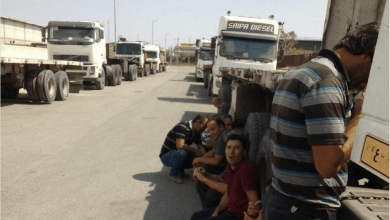
Iran’s truckers are on strike in 100 cities for the second time this year, causing fuel shortages. Meanwhile, the Iranian rial is rapidly losing its value, and the country’s biggest crude oil customers are cutting it off.
Brent and WTI prices have reached 4 year highs, and the Brent-WTI spread continues to favor American oil exports on the international market. We explain how longer lateral lengths in Permian Basin horizontal wells are driving truckload demand.
The U.S. has now risen to the top of the oil production list by extracting 10.9 million barrels per day (bpd) in August, but it needs to urgently address the pipeline bottlenecks across the Permian Basin to hold on to its numero uno status.
Global sugar prices fall over record production and decreasing demand; oil squeeze looks to be inevitable; Walmart’s size might not help much if prices keep increasing and trucking market remains tight.
Chinese oil and PNG demand is hitting the roof; EU is interested in buying U.S. PNG supply; trade tariffs on China might end up increasing cost of fish in the U.S.
Recent increases in oil prices have revived some debate over the effect that oil has on the economy and freight markets. While evidence suggests that the recent increase has helped growth, there are some limits to the benefit that the market can gain from higher oil prices.
Oil prices have stabilized after a month of volatility, but Iran pulling out of the nuclear deal is still a possibility, as European oil companies and banks are unwilling to buy oil from the country in the wake of perceived sanctions.
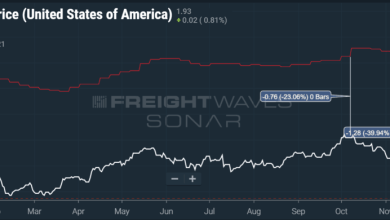
According to SONAR data, the real-time national average for diesel truck stop actual price per gallon has risen to $3.15.
New IMO regulations asking for the shipping industry to cap the sulfur content in its fuel to 0.5% would have far reaching consequences on crude oil refining and potentially send oil prices to $90 per barrel.
The intensifying shortage of drivers is the result of several key issues relating to supply, demand, and new regulations—and is expected to have a significant impact on oil supply.