




Joanna Marsh
Thursday, October 24, 2019
Slump persists for North American rail volumes
Rail volumes fell yet again and the industry is casting its doubts about the fourth quarter.
Rail volumes fell yet again and the industry is casting its doubts about the fourth quarter.

With U.S. rail volumes still slumping, the Class I railroads wondered in third-quarter earnings calls when the downward trend would end.

Year-to-date U.S. rail traffic down 3.8 percent from the same period in 2018.

Trade uncertainty and loose truck capacity continue to weigh on rail traffic.
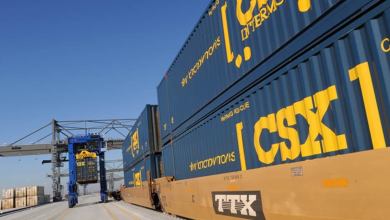
U.S. rail volumes are down nearly 4% year-to-date amid a 6.6% decline for coal and a 4% drop for intermodal.

Weakness in the manufacturing sector is dragging U.S. rail volumes lower, AAR says.
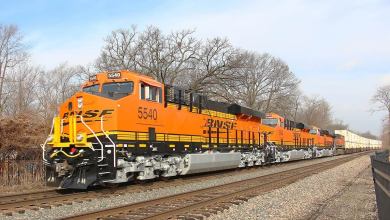
Year-to-date U.S. rail volumes are still slumping this year, due in part to a competitive truck market for intermodal shipments.
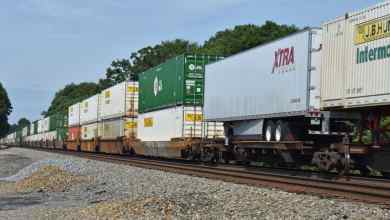
Market Voice Jim Blaze writes about rail intermodal and what is happening to this area of the railroad sector.

The continued slump in U.S. rail volumes is putting pressure on overall North American rail volumes.

Year-to-date North American rail volumes fell 2.3 percent last week. But what about for the rest of the year?

U.S. rail carloads no longer appear to be following the lead of broader economic indicators. Why? Look to concerns about rail service reliability and trade uncertainty as answers.

U.S. railroad operations loaded 5.5 percent fewer carloads and intermodal units in July, and trade uncertainty could threaten to maintain that downward trend in rail volumes for the remainder of 2019.

North American rail volumes are still lower year-over-year, but U.S. carloads recovered somewhat last week.
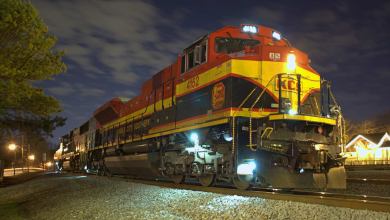
U.S. rail volumes fell yet again for the week ending July 20, according to data from the Association of American Railroads.

Jim Blaze writes about the pros and cons of shippers owning or leasing their own freight railcars to move their products.

The continued decline of U.S. rail volumes was one of the themes mentioned in the second quarter earnings calls for CSX and Canadian Pacific.

Year-to-date U.S. rail volumes fell yet again this week, although improving economic indicators signal that rail volumes could moderate in the weeks and months ahead.
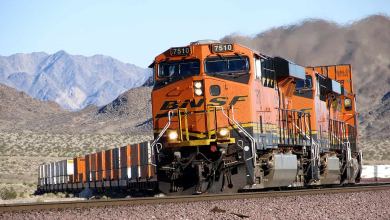
Year-to-date U.S. rail volumes fell again amid a loosening truck market, receding floodwaters in the Midwest and overall economic uncertainty.
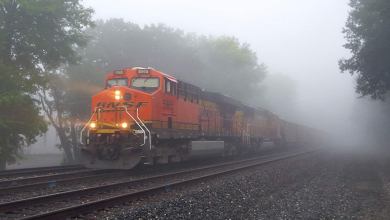
An additional $300 billion in proposed U.S. tariffs against China could result in lower railroad freight volume , but economic uncertainty and competition from trucks appear so far to be bigger threats for rail volumes.
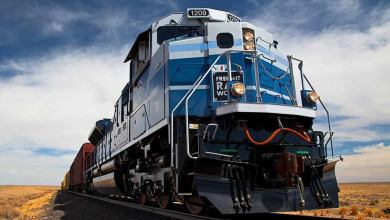
U.S. rail volumes trended downward again for the week ending June 15, with weekly volumes falling over 5 percent and year-to-date volumes declining nearly 3 percent, according to the latest data from the Association of American Railroads.