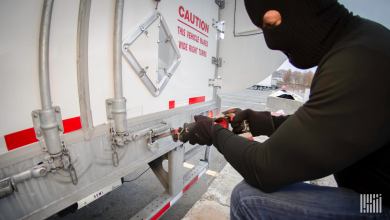
Truck hijackings on the rise in Mexico
Despite often being more dangerous in nature, cargo-related crimes in Mexico receive a fraction of the attention that is afforded to similar issues happening in the U.S. and Canada.

This week in Borderlands: Cargo insurance can boost cross-border operators’ business; Ryder System leases logistics center near Dallas–Fort Worth; Paccar Inc. announces $50M investment in Mexico truck factory; and thefts from cargo trains in Mexico rose in September.
Despite what Reliance Partners CFO Thom Albrecht has dubbed a “brutal winter,” supply chain companies can look forward to renewed hope as the market begins to shift in the spring and summer.
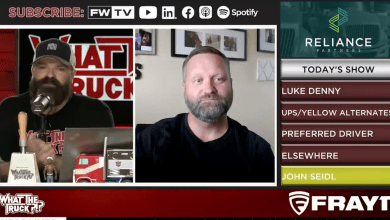
Reliance’s Thom Albrecht provided his company’s perspective on how fast capacity is disappearing from truck markets during FreightWaves’ F3: Future of Freight Festival.
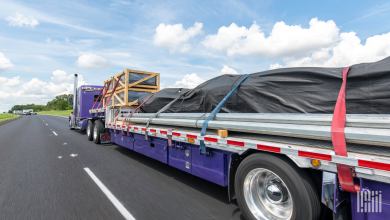
Improper cargo securement can result in out-of-service violations and fines. Further, unsecured cargo can fall onto the road, causing significant risk of injury or even death to motorists.
Because of the freight boom in recent years, many smaller carriers, especially those that were new entrants to the industry, fell into unsafe practices.
“When you see fleets double in size in a very short period of time, typically they haven’t grown on the inside as well as the outside, and that’s a very dangerous combination,” Reliance Partners’ Brian Runnels said.
Reliance Partners brings per-load Shipper’s Interest coverage to freight brokers and carriers to their TMS, providing protection on cross-border, international, LTL and high-value shipments.
An integration among Reliance Partners, Loadsure and McLeod lets asset-based motor carriers and freight brokers obtain A-rated all-risk cargo insurance on a per-load basis directly from their TMS.
Over the past two years, cyber liability insurance has become an important strategy for many freight brokers as they’ve recognized the importance of having a plan to fall back on.
Reliance Partners’ Mark Barlar shares what carriers and drivers should know before they submit their first DataQs request.
“I understand that there are times the phone can’t be answered or there are other priorities pulling dispatchers away, but try to keep communication open,” Reliance Partners’ Brian Runnels said.
Like all technology, ELDs can malfunction. When that happens, drivers need to know what to do to stay compliant with Federal Motor Carrier Safety Regulations.
When drivers are recognized for their hard work, they’re more likely to feel satisfaction at their jobs, and it gives them a reason to work toward company goals.
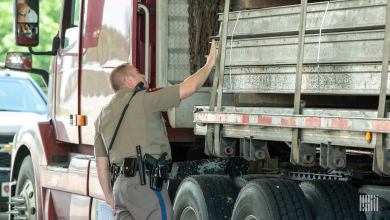
Over 57% of roadside inspections result in at least one violation. Reliance Partners’ director of DOT regulatory compliance shares regulations that drivers and carriers commonly overlook.
Reliance Partners’ VP of risk services breaks down what motor carriers need to know about FMCSA safety ratings.
While carriers are usually responsible for paying for claims, claim disputes burden freight brokers with more work — and they might end up footing the bill due to coverage gaps. Reliance Partners can help.
o prepare for a compliance review, motor carriers should rely on the expertise of a third-party expert that understands the nuances of how FMCSA determines safety ratings.
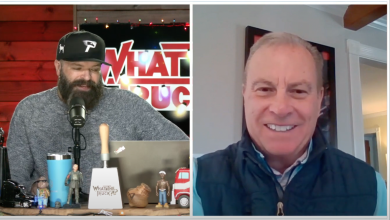
The VP of safety at Reliance Partners joined Dooner during Monday’s episode of WHAT THE TRUCK?!? to discuss trends that could be contributing to crash fatalities.
Reliance Partners’ Kevin Dupree sheds light on what underwriters look for when determining a company’s or driver’s insurance risk.