




Greg Miller
Tuesday, November 3, 2020
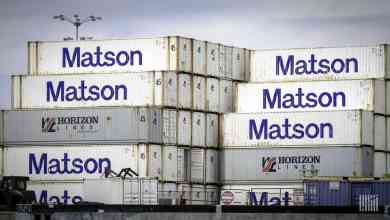
Matson offers inside glimpse of trans-Pacific pandemonium
U.S.-listed carrier reveals the latest on trans-Pacific holiday rush, restocking, e-commerce spike and port congestion.
U.S.-listed carrier reveals the latest on trans-Pacific holiday rush, restocking, e-commerce spike and port congestion.
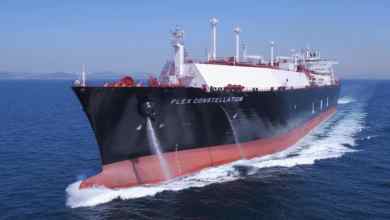
Positive COVID recovery signal: LNG shipping is behaving normally again, with a typical seasonal spike.

Kirby tops earnings expectations on lower costs despite COVID and hurricane hits to demand.
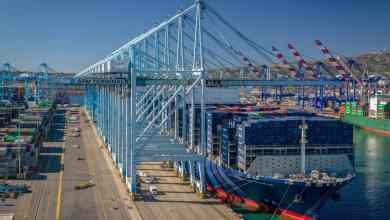
The trans-Pacific market is bursting at the seams as shippers rush in holiday cargoes.

What happens next at the IMO will affect oceangoing ship capacity — and freight rates — for decades to come.
More recovery signals: container lease pricing up over 50% versus second quarter, new container prices up 40% year-to-date.
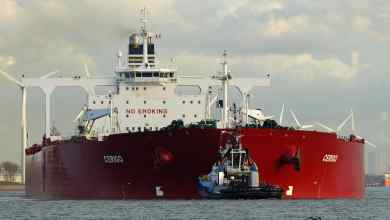
New Kpler data reveals slow pace of floating-storage unwind and steady fall in crude-tanker utilization.

Sequel to “The Shipping Man” asks whether ESG will kill the old-school style of traditional shipowners.

A “blue sweep” win for Democrats could be good for container ships, bad for tankers.
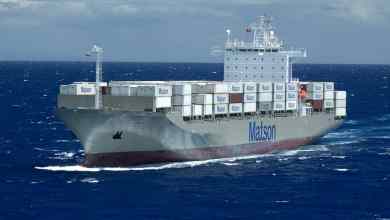
Listed carriers are poised to post stellar third-quarter numbers on higher rates and volumes.

Banks, charterers, shipowners and governments want to clean up ocean transport. Not necessarily in the same way.
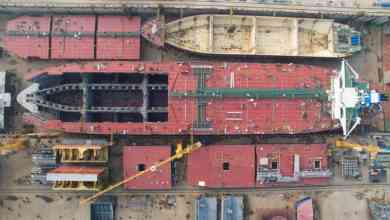
Shipping CEOs see an increasing risk of a global economic crisis in the decade ahead.
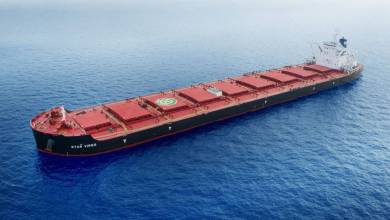
Another key bellwether — the cost of dry bulk freight — is pointing to an economic recovery.
Marine fuel prices are down 30% year-on-year despite the IMO 2020 regulation.
Bullish signal: Strong demand for box equipment extends into 2021.
Analysts point to upside prospects for container-ship stocks as charter rates rebound.

Ocean shipping stocks remain mired in a sea of red. A bad year is getting worse.
Amid talk of more floating storage, Kpler data reveals most of round-one storage volume is still on the water.
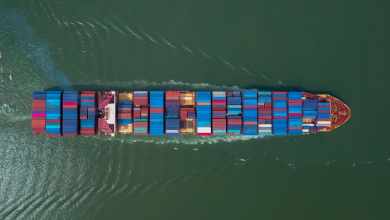
U.S. importers now paying three times more per mile than Europeans for transport of Chinese goods.
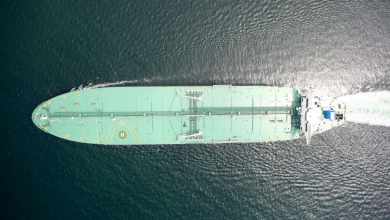
Crude-tanker rates on the benchmark Middle East-Asia run are now deep in the red.