




Greg Miller
Wednesday, March 16, 2022
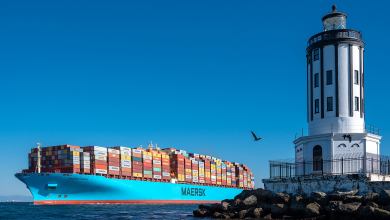
Is this the calm before California ports’ next cargo storm?
California ports make progress on bottlenecks, but Chinese lockdowns could spur “hockey stick” import rise.
California ports make progress on bottlenecks, but Chinese lockdowns could spur “hockey stick” import rise.

COVID lockdowns haven’t closed Chinese ports yet. If they do, U.S. importers face “shockwave” of higher rates and delays.
Rising sea levels and increasingly extreme weather are expected to cost ports and shippers billions of dollars annually.
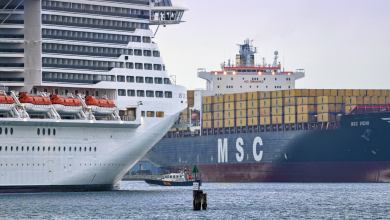
COVID has been great for container shipping, terrible for cruising. What does this mean to MSC, which is big in both?
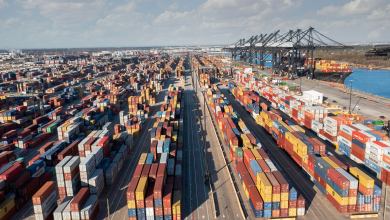
As shippers move to digitize their documents and automate their processes, they should focus on making sure both efficiency and accuracy benchmarks are met. One document processing error can sideline an entire shipment, undermining profitability and customer satisfaction.

Liner company Zim expects to rake in a billion dollars more this year than in record-setting 2021.

In a constrained market environment like the one seen over the past couple of years, shippers are always looking to cut costs and gain more bargaining power. That makes granular insights more important than ever.
Invasion and price spikes could destroy demand, weaken consumer confidence and curb cargo volumes, warns BIMCO.
The cost of the fuel consumed by the world’s commercial ships has skyrocketed — and it’s still rising.

Tanker stocks favored by retail traders post big gains, while most container and dry bulk stocks hold steady.
Container lines and tanker owners rapidly and preemptively suspend business with Russia.
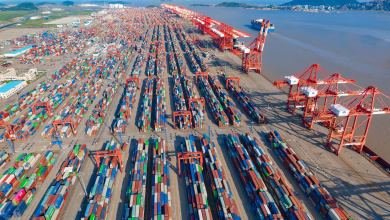
The container port business is booming and the big are getting bigger, particularly in China.
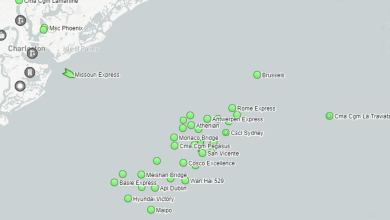
There are now more container ships waiting off East and Gulf Coast ports than there are off Los Angeles/Long Beach.

Tanker and dry bulk trades could be disrupted; container shipping faces heightened risk of cyberattacks.
“Partnering with Bunker Holding will accelerate the marine industry adoption of biodiesel to achieve aggressive carbon reduction goals,” said Bob Kenyon, senior vice president of sales and marketing at REG.
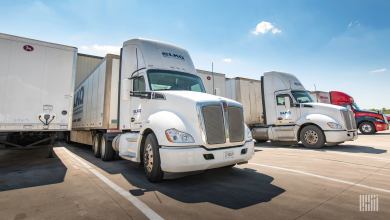
Shippers have been bidding against each other for capacity over the past year with little to show for it, and it appears paying more will not solve the crunch.
The more ocean shipping is in the news, the more attention it gets from tech founders and investors.
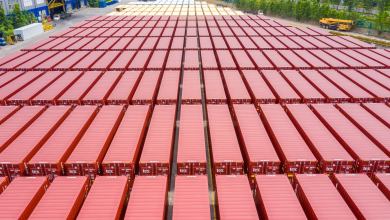
After last year’s historic run-up, factories are producing fewer containers and pricing of new boxes is down.

Jefferies analyst Randy Giveans maintains that container shipping stocks still have a lot more room to run.

Xeneta CEO Patrik Berglund explains how carrier negotiating power has changed the annual contracting equation.