





John Paul Hampstead
Tuesday, June 24, 2025
Prepare for a hot, tight July 4th freight market
Tender rejections are at 6% and rising, two weeks before the holiday.
Tender rejections are at 6% and rising, two weeks before the holiday.

The Atlanta, Dallas and Chicago freight markets are all tightening.
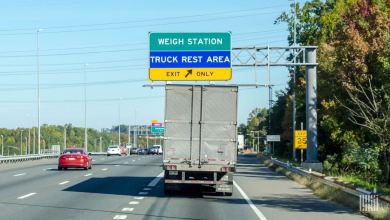
The freight recession is dragging on and getting deeper as tariffs throw a wrench into any possible recovery. What does this mean for small carriers?
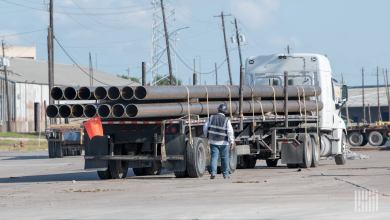
Spot freight rates fluctuate daily, making it tough for carriers to maintain profitability. While load boards provide access to freight, they often lead to rate wars, inconsistent loads, and lower margins. The key to long-term success? Establishing direct relationships with shippers.
Unlike spot market freight, direct shipper contracts offer stable rates, predictable revenue, and reduced competition. Carriers who move beyond transactional load board freight by networking, cold-calling shippers, and delivering exceptional service can secure steady, high-paying freight lanes. The most profitable fleets don’t chase loads, they build partnerships that drive long-term financial stability.

Tender rejection rates have held above 7% throughout January and the spread between spot and contract continues to narrow.

Chicago and Dallas tender rejections still exceed 7%.

Tender rejection rates remain above 7%, but tender volumes and spot rates are experiencing some seasonal pressure

Tender rejection rates are remaining elevated during a period where the market would traditionally be loosening

Tender rejection rates were back on the rise this week as winter weather impacted markets across the south. Tender volumes start 2025 down y/y

Tender rejection rates are retreating from their holiday highs, but spot rates have continued to inch higher into the new year.

Tender rejection rates briefly touched 10% before retreating, which continues to show that the freight market is in transition…

Tender rejection rates have moved to a 2-year high, but spot rates have yet to see the significant increase from the holidays.

Rejection rates and spot rates are likely to see further upward movement with less than two weeks until the Christmas holiday.

The holiday impacts have yet to arrive as both tender rejection rates and spot rates are off their recent highs and volumes continue to slide.
Tender volumes and tender rejection rates moved higher this week with spot rates following suit. Thanksgiving could change the status quo.

Tender volumes and tender rejections declined over the week, but spot rates are still showing signs that peak season is going to be favorable.
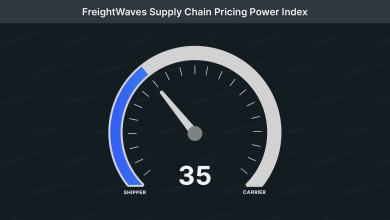
Tender volumes declined over the week, but tender rejections and spot rates are showing signs that peak season is going to be favorable.

A recent FMCSA-sponsored study looking at the impacts of pay and working conditions on long-distance truck and bus drivers also calls into question claims of a persistent driver shortage.
Tender volumes declined over the week, but tender rejections and spot rates found a little positive momentum over the past week.
Tender volumes and rejection rates moved lower over the past week, while spot rates increased slightly during the week.