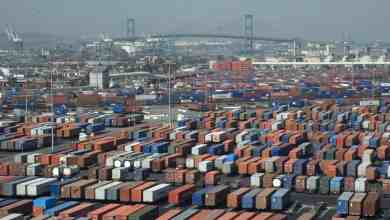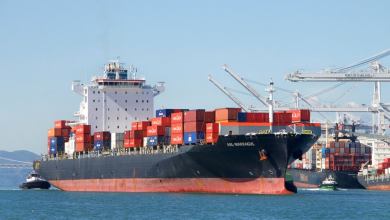
Today’s Pickup: U.S. ports predict volume reduction from tariff impact
Economists say the impact could spread beyond the specific categories of imports and exports that may be subject to tariffs.
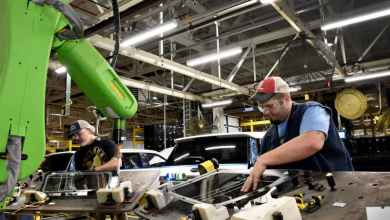
As Trump continues to ramp up protectionist tariff talk and suggesting that imported autos and auto parts will be next, the U.S. auto industry is collectively saying, thanks, but no thanks.
The US trade deficit in goods narrowed for the third consecutive month in May as improved export performance outweighed a modest rise in imports during the month.
The FMCSA and ATA talk regulations at SMC3; Cummins has to pay tariffs to import its own engines; Canadian National and Canadian Pacific investing in Port of Vancouver; why protectionist rhetoric is roiling the markets; key takeaways from OPEC’s Vienna meeting.
The song of 2018 remains the same—and tariffs or no tariffs, it projects to remain so even as infrastructure on the rails and ports expand.
Rhode Island begins tolling trucks today; SCOTUS rejects review request by JB Hunt on California case; Rolls-Royce engine problems spread; transportation companies fret over tariffs; Waymo to buy up to 62,000 Chrysler Pacificas.
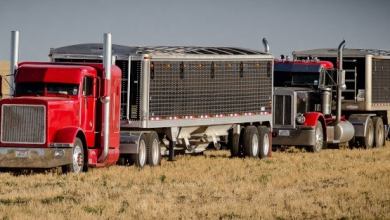
Ag haulers are not only dealing with ELDs and hour-of-service uncertainty, but tariff talk is clouding the future outlook as well.
Mexico, Canada, and the EU announce retaliatory tariffs; Dow Transports still above 200 day average; the US asks OPEC for a production hike; DHL remains largest air freight forwarder; containership loses 86 boxes in storm off Australia; how China beats US steel tariffs.
U.S. Sen. Bob Corker, R-Tenn., says he and others are “crafting” legislation requiring congressional authority over levying tariffs in response to President Donald Trump’s imposition of stiff steel and aluminum tariffs on Canada, Mexico and the European Union.
The truckload business is booming, but how high will rates go? Hyundai Merchant Marine orders 20 new containerships; China keeps the door open on US trade talks; global equities rise on US jobs report; a pension fund is building a $4.9B railroad in Quebec; manufacturing activity expands.
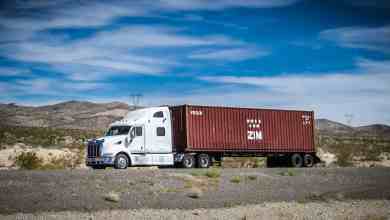
The US trade deficit in goods narrowed for the second consecutive month, but a decline in both exports and imports means less transportation to and from ports
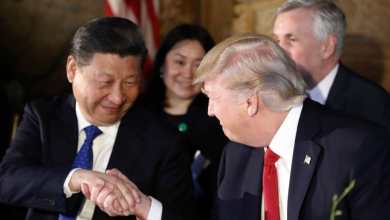
China and the United States issued a joint-statement regarding trade consultations and a desire to support bilateral trade between the countries.
The ambiguity surrounding trade talks is leading companies most affected by the tariffs to delay hiring or spending plans until they have a clearer sense of what the administration will do.
Data from the Institute of Supply Management shows that manufacturing activity lost some momentum in April, as the current capacity crunch and recent tariffs have impacted production flows
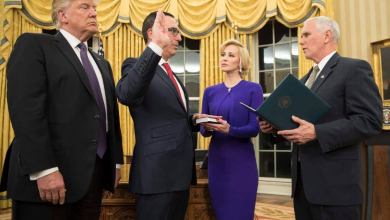
Mnuchin is running a full court press to make Chinese tariffs, aluminum sanctions, and NAFTA renegotiation the least disruptive as possible.
Responses from the Federal Reserve’s Beige Book on regional economic conditions show that recent tariffs and capacity issues in freight are starting to pressure businesses.
The spot market is normalizing; XPO’s Brad Jacobs talks jazz and M&A; China COSCO’s purchase of OOCL might be held up; railroad Teamsters want NAFTA changes; weak spot rates for container ships pulling down contract negotiations; Xi looks for a way out of the trade war.
President Donald Trump’s tariffs appear to be driving up demand for American-produced aluminum and steel, but they are also driving up costs for equipment manufacturers.
Trucking contract rate increases tamp down volatility; Nikola Motor Company returns deposits on truck orders; Hunter Harrison was one of the highest paid CEOs in 2017; Xi Jinping takes the stage to defend Chinese trade practices; container lines enter bid season with a weak hand.
Predictions about a freight market recovery in the dry bulk and container markets can be left high and dry, if the unexpected factor of a trade war comes to fruition.