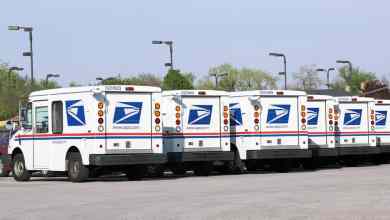
USPS rate hike could have a small but positive impact on trucking demand
Most of the move has no impact on ecommerce or last mile, but one small change could bring some new demand.


According to an open letter from Walmart to its leafy green suppliers, the company will forge ahead in blockchain development as part of the Food Trust as soon as early 2019.
The North Carolina Department of Transportation says not to travel in or to the state; Walmart grabs a 200K square foot foothold in NYC; the IMF says British economy will contract if no deal on Brexit; Freightos raises $45M; global seaborne coal trade grows 4%; Tesla’s having a hard time delivering cars.
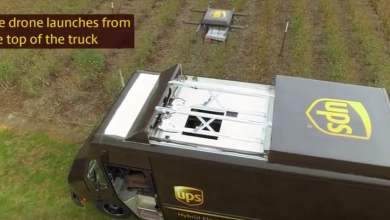
Drones may someday soon become a primary delivery method of last-mile, but they likely won’t be the only solution, as flexibility in methods will be key to successful delivery.
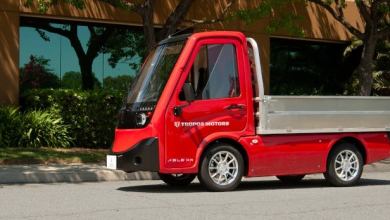
Low-speed vehicles are not often considered when companies are looking for commercial vehicles, but upgrades to a line of electric compact utility vehicles could change that.
Springfield, Illinois hits Walmart with a $50k fine for allowing truck parking. Safeway delivery drivers make history with a newly ratified union contract. We interview Senator Bob Corker about Trump’s tariffs. 162 transportation and logistics companies make the 2018 Inc. 5000 list. JP and Chad discuss all this and more on this week’s episode.
The growth for Walmart was strong across the board, but ecommerce and groceries were key contributors.
Global sugar prices fall over record production and decreasing demand; oil squeeze looks to be inevitable; Walmart’s size might not help much if prices keep increasing and trucking market remains tight.
Walmart is facing a $50,000 fine for allowing trucks to park at one of its Illinois stores. The penalty came from the city of Springfield, which claims the store is not following the parking plan approved by the city when it was built.
Ultimately, the winner of the e-commerce battle, whether groceries or the greater retail one, will come down to which company better understands human behavior.
Nestlé is the latest company to turn to blockchain technology to ensure the safety of their supply chain, particularly narrowing in on the ingredients that go into the baby food purees and pouches produced by Gerber.
The next big thing is food. Not just food, but hot food, and not just hot food but hot–delivered–food.
The summer slump continues; Steve Eisman explains why he’s shorting Tesla; Walmart discovers that last mile delivery is hard; once-exported U.S. cherries find domestic customers; oil trade routes are threatened by geopolitical risk.
Turns out, of blockchain’s many potential (and developing) applications, few could be as game-changing as what it would mean for the food industry.
Target’s Restock program is a direct competitor to Amazon Prime Pantry, and now the retailer is rolling out the program nationally with free shipping and next-day delivery for all Redcard purchases.
On the earnings calls, lots of talk about driver shortages but no suggestion that companies see it as hindering their growth.
The U.S. Treasury said it would revoke authorization for aviation exports to Iran within 90 days, all but prohibiting big orders Iran placed for Boeing Co. and Airbus SE jets.
Walmart is in talks to buy 75% of Flipkart, the largest Indian e-commerce company for $15 billion, which is set to be a game changer in the Indian e-commerce ecosystem.
The demand for last-mile services has increased by 50% in the last 18 months, driven primarily by the B2C companies.