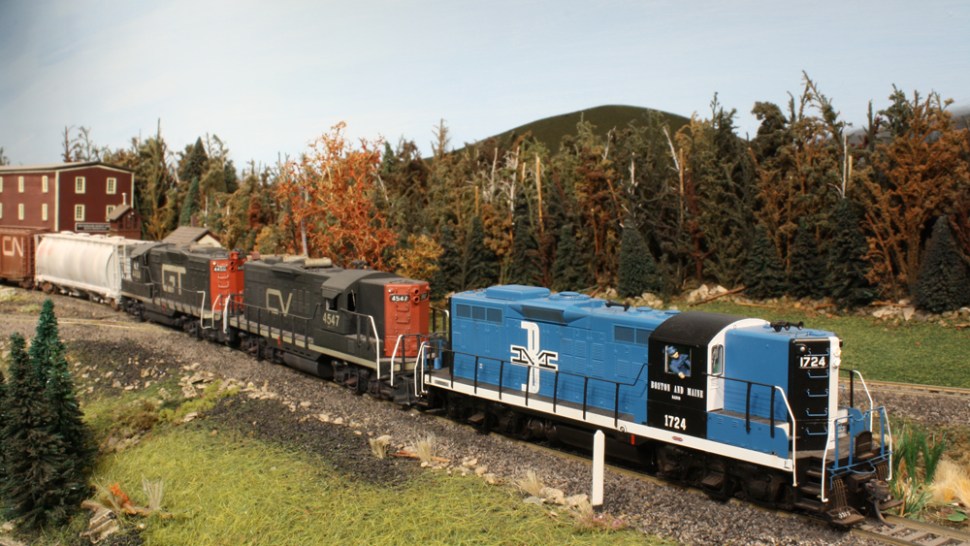
The beloved hobby of model railroading, a cornerstone of American culture for generations, faces an existential threat. As the toy and hobby industry grapples with potential new tariffs, small and mid-sized businesses find themselves on the brink of collapse. The proposed up to 145% tariff increase could spell doom for an entire sector, reducing it from a vibrant niche to a relic of the past.
At the heart of this crisis lies the unique economic structure of the model train industry. Unlike mass-market products, model trains operate on razor-thin margins, typically 15-20%. The industry relies heavily on pre-selling, with 95% of products sold months before arrival. This leaves no room for sudden price adjustments when shipments arrive, making the proposed tariff increase catastrophic.
The nature of model train production further compounds the problem. These are not mass-produced items but highly specialized, low-volume products. The costs of tooling and engineering are spread across small production runs, meaning there’s no economy of scale to offset the tariff’s impact. Whether a company produces 2,000 or 10,000 units, the fixed costs remain high, making any significant tariff increase devastating to the pricing structure.
Some might suggest moving production domestically, but this solution is neither economically viable nor logistically feasible. Labor and compliance costs in the U.S. are 5-10 times higher than in Asia. More critically, the specialized infrastructure required for model train production—including tooling, mold-making, and specialty die-casting—no longer exists in the United States. Decades of outsourcing have left the country without the plants, parts, or trained labor to match the precision and efficiency of Asian manufacturers.
It’s crucial to understand that these tariffs miss their intended target. Model trains and similar hobby products are not subject to dumping or unfair subsidies, nor do they pose a threat to national security. These legacy products, deeply embedded in American culture, were previously distinguished by the Section 301 exclusion process, but its removal now lumps them with mass-market imports that operate on much larger volumes and margins.
The consequences of this tariff threat are already unfolding. Inventory is frozen, orders for future seasons are being canceled, and production lines have ground to a halt. Small importers find themselves unable to clear containers or finance future shipments. Retailers are not receiving pre-ordered stock, and entire product lines are being shelved indefinitely.
If this tariff increase stands, it won’t just lead to temporary price hikes. It threatens to eradicate a uniquely American subculture, leading to permanent closures and the disappearance of generational brands that have been fixtures in the hobby for decades.
The model railroad industry isn’t seeking a bailout or special treatment. Rather, it’s calling for the reinstatement of the Section 301 exclusion process—a targeted tool that recognizes the economic scale, cultural significance, and trade harmlessness of this industry. Without such recognition and action, a cherished piece of American life may soon vanish, taking with it not just businesses and jobs, but a rich tradition of creativity, craftsmanship, and community.
As one industry insider poignantly stated, “If this stands, it’s not a temporary price hike—it’s the end of a uniquely American subculture.” The clock is ticking, and without intervention, the model railroad industry may indeed face its final stop.
Read more about model railroading from Firecrown brand, Model Railroader.
Brokerage Compliance Symposium
The day before F3. Every compliance issue you face - fraud exposure, carrier liability, FMCSA rules, cargo theft, insurance gaps - navigated by attorneys and operators defining best practices in a changing industry.
F3 Awards Dinner
The night before F3. FreightTech100 companies honored. FreightTech 25 and Shipper of Choice winners revealed live. Cocktail reception into dinner and live music - 300 industry leaders in one purpose-built room.
F3: Future of Freight Festival
Industry-defining keynotes, rapid-fire technology demos, and industry leaders networking in experiences across Chattanooga - plus the inaugural F3 Awards Dinner featuring the FreightTech and Shipper of Choice reveals.
The day before F3. Every compliance issue you face - fraud exposure, carrier liability, FMCSA rules, cargo theft, insurance gaps - navigated by attorneys and operators defining best practices in a changing industry.
The Signal at Chattanooga Choo Choo • Chattanooga, TN Register NowThe night before F3. FreightTech100 companies honored. FreightTech 25 and Shipper of Choice winners revealed live. Cocktail reception into dinner and live music - 300 industry leaders in one purpose-built room.
The Signal at Chattanooga Choo Choo • Chattanooga, TN Register NowIndustry-defining keynotes, rapid-fire technology demos, and industry leaders networking in experiences across Chattanooga - plus the inaugural F3 Awards Dinner featuring the FreightTech and Shipper of Choice reveals.
The Signal at Chattanooga Choo Choo • Chattanooga, TN Register Now