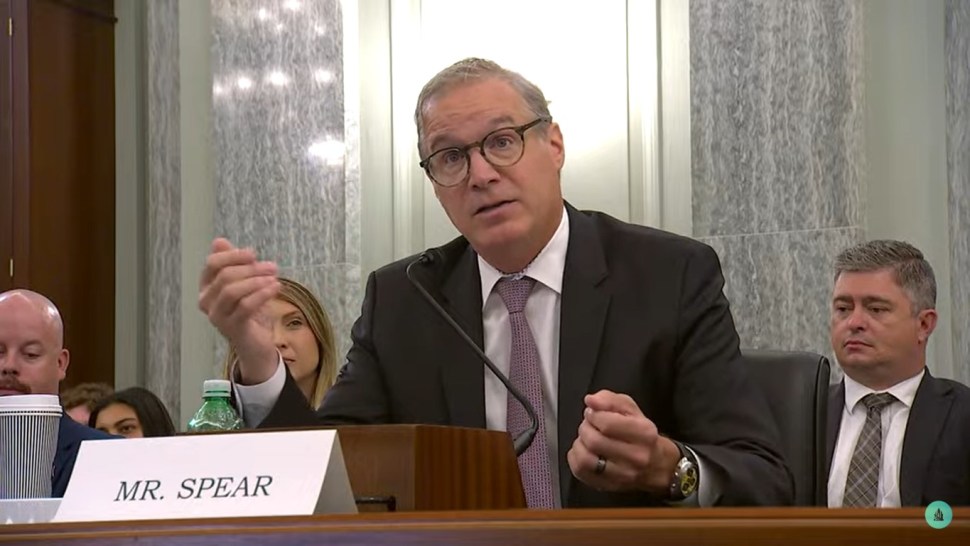
The American trucking industry is facing unprecedented challenges, marked by a deepening economic crisis and deteriorating highway safety standards. While supply chain disruptions during the COVID-19 pandemic brought attention to the transportation sector, the narrative surrounding these issues has been largely mischaracterized, particularly regarding the nature and extent of the purported truck driver shortage in America.
Background on the alleged truck driver shortage
The American Truck Association (ATA) has consistently promoted the idea of a chronic truck driver shortage to Congress and the public. During the height of the COVID-19 pandemic, when supply chains experienced significant strain, this narrative gained considerable traction. Responding to what was portrayed as an urgent crisis, both state and federal governments implemented policy changes aimed at rapidly expanding the truck driver workforce. These measures included lowering standards for commercial driver’s license (CDL) qualification, relaxing training requirements, and easing restrictions on who could obtain licenses.
Safety consequences of misrepresentation
The regulatory changes had far-reaching consequences that extended beyond simply increasing the number of available drivers. The trucking industry witnessed an influx of inadequately trained individuals, many of whom reportedly lacked proper understanding of American road regulations and language proficiency. This situation created a dangerous precedent on highways across the nation.
Safety standards deteriorated as inexperienced drivers operating older, poorly maintained vehicles became more common on American roads. Reports indicate that some of these new entrants regularly exceeded legal driving hour limitations, operating vehicles for 18-20 hours per day—almost double the legally permitted duration.
The Great Freight Recession has been caused by an endless glut of capacity
What has followed has been described as the “Great Freight Recession,” characterized as the most severe economic downturn the freight industry has ever experienced. American truck drivers, long considered the backbone of the national supply chain, have seen their livelihoods threatened by the availability of cheaper labor, which poured in unabated despite the worsening freight market conditions.
As economic pressures mounted, more carriers began hiring drivers willing to work for lower wages, creating a race to the bottom in terms of both compensation and compliance with regulations. This competitive disadvantage forced even legitimate operators to consider similar practices to avoid bankruptcy, further exacerbating industry-wide problems.
Family-owned trucking firms have been wiped out
Perhaps most damaging has been the impact on generational trucking businesses, many of which were long-term members of the ATA.
Family-owned trucking firms with decades of history and commitment to legal operation have found themselves unable to compete with operators who disregard regulatory requirements. Many of these established businesses have been forced to shut down, unable to maintain profitability while adhering to safety standards and labor regulations. Others are still around, but barely hanging on.
The disappearance of these legitimate operators represents not just a loss of businesses but the erosion of a culture of professionalism and safety within the industry. Their replacement with operators willing to cut corners has fundamentally altered the trucking landscape in America.
The ATA is undermining its own members
The current crisis in the trucking industry can be traced back to a fundamental mischaracterization of market conditions. Capacity issues experienced during COVID were temporary phenomena that could have been addressed through market mechanisms such as increased compensation and better incentives for qualified American drivers.
Instead, the promotion of a perpetual driver shortage narrative by the ATA has led to policies that have undermined safety standards and destabilized the economic foundation of the trucking industry. What the trucking sector needs is not simply more drivers, but rather a renewed commitment to fair labor practices and rigorous safety standards that protect both drivers and the public.
Brokerage Compliance Symposium
The day before F3. Every compliance issue you face - fraud exposure, carrier liability, FMCSA rules, cargo theft, insurance gaps - navigated by attorneys and operators defining best practices in a changing industry.
F3 Awards Dinner
The night before F3. FreightTech100 companies honored. FreightTech 25 and Shipper of Choice winners revealed live. Cocktail reception into dinner and live music - 300 industry leaders in one purpose-built room.
F3: Future of Freight Festival
Industry-defining keynotes, rapid-fire technology demos, and industry leaders networking in experiences across Chattanooga - plus the inaugural F3 Awards Dinner featuring the FreightTech and Shipper of Choice reveals.
The day before F3. Every compliance issue you face - fraud exposure, carrier liability, FMCSA rules, cargo theft, insurance gaps - navigated by attorneys and operators defining best practices in a changing industry.
The Signal at Chattanooga Choo Choo • Chattanooga, TN Register NowThe night before F3. FreightTech100 companies honored. FreightTech 25 and Shipper of Choice winners revealed live. Cocktail reception into dinner and live music - 300 industry leaders in one purpose-built room.
The Signal at Chattanooga Choo Choo • Chattanooga, TN Register NowIndustry-defining keynotes, rapid-fire technology demos, and industry leaders networking in experiences across Chattanooga - plus the inaugural F3 Awards Dinner featuring the FreightTech and Shipper of Choice reveals.
The Signal at Chattanooga Choo Choo • Chattanooga, TN Register Now