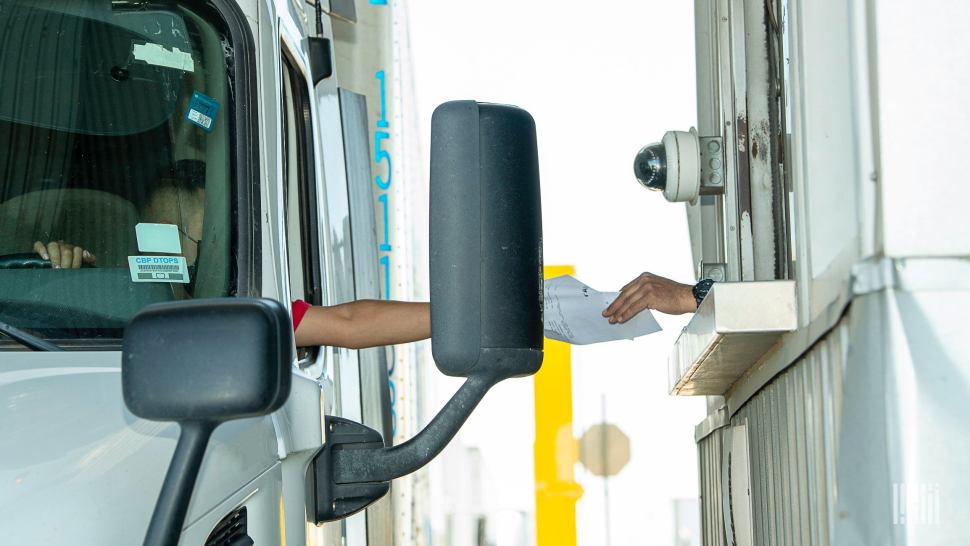
The trucking industry has faced its longest and deepest downturn in history, beginning in March 2022. This prolonged slump, known as the Great Freight Recession, has driven many trucking companies out of business.
A sluggish goods economy contributed, but the primary cause is excess capacity. During the COVID-19 pandemic, high freight rates and government stimulus, coupled with cheap credit, spurred an influx of new trucking companies. Unfortunately, this overcorrection flooded the market with capacity, causing freight rates to collapse.
To avoid bankruptcy, trucking firms slashed costs. The largest expense—driver wages—proved challenging to cut, as experienced, documented drivers resisted reductions. Many small firms turned to hiring drivers without work permits to reduce expenses.
These workers often obtained Commercial Driver’s Licenses (CDLs) in the U.S. without passing a domestic CDL test. Some states accepted foreign CDLs without verifying the driver’s experience or qualifications, meaning many never proved they could safely operate an 80,000-pound truck. Additionally, some drivers lacked proficiency in English, complicating communication and compliance.
Trucking became a lifeline for many immigrants, offering steady work, decent pay, and a place to live, as most truckers reside in their vehicles. For many, it marked a significant improvement over poverty in their home countries. These undocumented workers often accepted lower wages than their American counterparts and endured poor working conditions and unsafe equipment.
In 2016, Department of Transportation (DOT) officials were reportedly instructed to overlook drivers’ CDL qualifications and work permits and to accommodate those who didn’t speak English. As a result, drivers without proper documentation or permits could not be placed out of service, even if DOT officials knew they lacked credentials.
This influx of unqualified and undocumented drivers sustained excess capacity, keeping trucking rates low and bankrupting compliant companies with qualified U.S. drivers. It also increased highway dangers, as evidenced by rising fatality rates involving heavy-duty trucks.
The Trump Administration has issued new guidance to enforce stricter labor, CDL, and English proficiency standards for truck drivers. Drivers caught operating without proper documentation or adequate English comprehension now face being placed out of service and potential deportation.
While I deeply empathize with immigrants’ struggles, this situation poses significant safety and fairness issues for the trucking industry. I hope these measures help the industry recover and thrive once again.
Read more about continued issues with the CDL system here.
Brokerage Compliance Symposium
The day before F3. Every compliance issue you face - fraud exposure, carrier liability, FMCSA rules, cargo theft, insurance gaps - navigated by attorneys and operators defining best practices in a changing industry.
F3 Awards Dinner
The night before F3. FreightTech100 companies honored. FreightTech 25 and Shipper of Choice winners revealed live. Cocktail reception into dinner and live music - 300 industry leaders in one purpose-built room.
F3: Future of Freight Festival
Industry-defining keynotes, rapid-fire technology demos, and industry leaders networking in experiences across Chattanooga - plus the inaugural F3 Awards Dinner featuring the FreightTech and Shipper of Choice reveals.
The day before F3. Every compliance issue you face - fraud exposure, carrier liability, FMCSA rules, cargo theft, insurance gaps - navigated by attorneys and operators defining best practices in a changing industry.
The Signal at Chattanooga Choo Choo • Chattanooga, TN Register NowThe night before F3. FreightTech100 companies honored. FreightTech 25 and Shipper of Choice winners revealed live. Cocktail reception into dinner and live music - 300 industry leaders in one purpose-built room.
The Signal at Chattanooga Choo Choo • Chattanooga, TN Register NowIndustry-defining keynotes, rapid-fire technology demos, and industry leaders networking in experiences across Chattanooga - plus the inaugural F3 Awards Dinner featuring the FreightTech and Shipper of Choice reveals.
The Signal at Chattanooga Choo Choo • Chattanooga, TN Register Now