




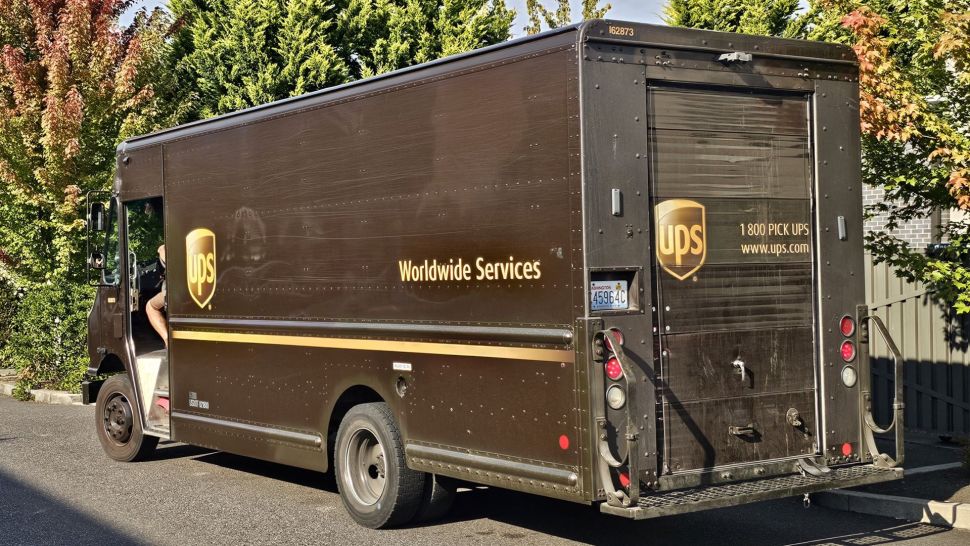
UPS said Monday evening it has agreed to retrofit 5,000 existing delivery vehicles in the hottest regions of the country, but the decision falls short of initial Teamster union demands for 28,000 new vehicles for fleet expansion or replacement.
The Atlanta-based express parcel and logistics company said the cooling system installations are in addition to commitments for air conditioning in any newly purchased vehicles.
The Teamsters union publicly pressed UPS (NYSE: UPS) in late June to uphold commitments in the 2023 collective bargaining agreement for purchasing 28,000 package cars with air conditioning by the summer of 2027 to protect drivers from excessive heat conditions.
UPS will install air conditioning in 5,000 delivery vans by June 1, 2027, and deploy them to states in the Southwest and Southeast. The first 2,000 vehicles readied under the agreement will be retrofitted by June 1, 2026, according to a Teamsters news release.
The Teamsters characterized the company’s investment as an interim step towards the full deployment goal. But neither announcement gave any indication when UPS will begin investing in new vehicles outfitted with air conditioning. The union last summer said UPS had only delivered 10% of the required air-conditioned vehicles.
A possible explanation for the retrofit compromise and apparent moratorium on new vehicle purchases is that UPS is in the midst of a massive network streamlining initiative aimed at aligning capacity with demand and saving billions of dollars per year. As part of the consolidation campaign, UPS offered drivers voluntary separation packages in an effort to reduce payroll costs at a time when fewer drivers are needed. The company in early August extended the deadline for accepting the buyout offer, but never announced the outcome. Based on Teamster comments and other information, it appears few drivers accepted the offer.
Under the new agreement, UPS will also test air conditioning in the cargo area of its delivery vans. Currently, air conditioning is only provided in the front cab. The Teamsters said UPS will upgrade 100 package cars with air conditioning vented into the cargo compartment to evaluate whether the change provides greater heat relief, marking the first step towards implementing a UPS committed in the 2023 master contract to ventilate cargo compartments with retrofitted air ducts.
“The rank-and-file at UPS are essential workers who move the American economy. In 2023, the Teamsters secured historic heat protections for our members, and there can be no further delay in the implementation of these safeguards. We look forward to working with UPS to ensure this retrofitting is completed on schedule to get our members the relief they deserve,” Teamsters General President Sean O’Brien said in a news release.
In a statement, UPS listed a series of ways it strives to ensure heat-safety for employees, including training and reminders about the importance of eating water-rich foods, regular hydration and knowing the signs and symptoms of heat illness.
UPS installed more than 19,000 fans in U.S. facilities (in 2023) and heat shields (in 2024) on the exhaust of delivery vehicles to keep the floor cooler by up to 17 degrees Fahrenheit and make the back of the vehicle more comfortable. It also added 2,700 ice machines at package facilities in recent years, the company said.
Click here for more FreightWaves/American Shipper stories by Eric Kulisch.
RELATED STORIES:
UPS settles Teamster grievances, averts strikes in multiple states
UPS extends driver buyout offer deadline after low driver interest
Teamsters complain UPS slow to deploy air-conditioned vehicles
Brokerage Compliance Symposium
The day before F3. Every compliance issue you face - fraud exposure, carrier liability, FMCSA rules, cargo theft, insurance gaps - navigated by attorneys and operators defining best practices in a changing industry.
F3 Awards Dinner
The night before F3. FreightTech100 companies honored. FreightTech 25 and Shipper of Choice winners revealed live. Cocktail reception into dinner and live music - 300 industry leaders in one purpose-built room.
F3: Future of Freight Festival
Industry-defining keynotes, rapid-fire technology demos, and industry leaders networking in experiences across Chattanooga - plus the inaugural F3 Awards Dinner featuring the FreightTech and Shipper of Choice reveals.
The day before F3. Every compliance issue you face - fraud exposure, carrier liability, FMCSA rules, cargo theft, insurance gaps - navigated by attorneys and operators defining best practices in a changing industry.
The Signal at Chattanooga Choo Choo • Chattanooga, TN Register NowThe night before F3. FreightTech100 companies honored. FreightTech 25 and Shipper of Choice winners revealed live. Cocktail reception into dinner and live music - 300 industry leaders in one purpose-built room.
The Signal at Chattanooga Choo Choo • Chattanooga, TN Register NowIndustry-defining keynotes, rapid-fire technology demos, and industry leaders networking in experiences across Chattanooga - plus the inaugural F3 Awards Dinner featuring the FreightTech and Shipper of Choice reveals.
The Signal at Chattanooga Choo Choo • Chattanooga, TN Register Now