




Todd Maiden
Thursday, April 2, 2020
UBS sees April, May freight ‘falloff’
After a surge in freight over the past few weeks, UBS transportation analyst Tom Wadewitz is predicting a rough two months.
Railroads continue to play a significant role in North America’s economic infrastructure. According to the U.S. Department of Transportation Federal Railroad Administration, the U.S. rail freight network covers almost 140,000 route miles and is generally considered the largest, safest, and most cost-efficient freight system in the world. In addition, says the FRA, the almost $80 billion rail freight industry creates more than 167,000 jobs across the country.
In essence, rail freight companies charge businesses to carry cargo across their network of rails. Their rates are overseen by the Surface Transportation Board, a federal agency that regulates financial aspects of surface transportation. Major railroads in North America include Union Pacific Railroad, BNSF Railway, CSX, Norfolk Southern, Canadian Pacific Kansas City and Canadian National Railway.
Keep up with the latest news, trends and reports concerning rail freight transport here!
After a surge in freight over the past few weeks, UBS transportation analyst Tom Wadewitz is predicting a rough two months.
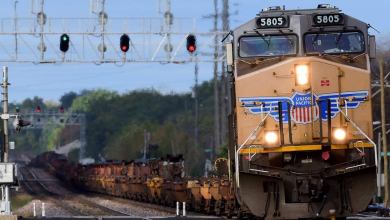
The railroads say the coronavirus pandemic could influence their financial results in 2020, but how deep that impact will be will depend on how long the pandemic lasts.
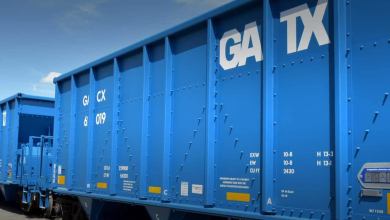
The railcar manufacturer shut down the Shoals facility for seven days after an employee contracted the coronavirus.
Commissioner Rebecca Dye will lead the U.S. Federal Maritime Commission effort with industry to identify “operational solutions to cargo delivery challenges” caused by the coronavirus pandemic.
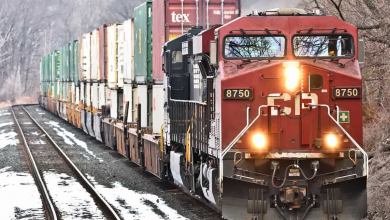
The Canadian railways will have the network capacity to accommodate any sudden surges in demand once the coronavirus pandemic subsides, their executives said.

CEVA and DHL free themselves from contractual constraints to realign operations and facilitate pricing flexibility during pandemic.
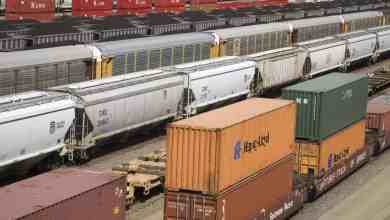
Freight rail trade and labor groups applaud the U.S. federal government for passing the $2 trillion stimulus package aimed at stabilizing the American economy amid the coronavirus pandemic.
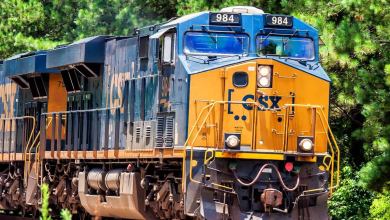
The rail industry will try to keep business as usual for as long as possible, according to recent notices to customers.
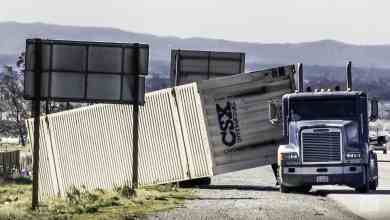
Using shock recorders when shipping freight may help shippers and carriers better protect freight and assign fault when damage occurs.
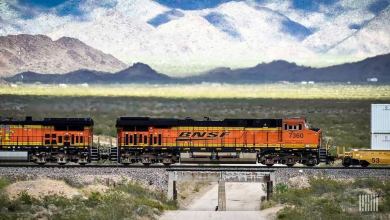
The coronavirus is impacting all sectors of the economy, and railroads are no different. Read what expert Jim Blaze thinks will happen going forward.
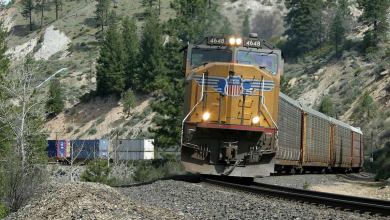
The pandemic may put pressure on U.S. rail volumes, particularly for commodities that support consumer goods, says an Association of American Railroads executive.
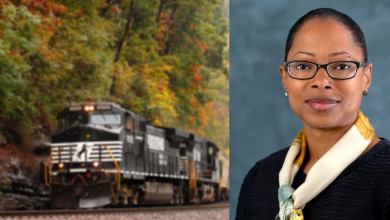
The eastern U.S. railroad promotes Vanessa Allen Sutherland to EVP and chief legal officer.

The requests to waive the Federal Railroad Administration’s regulations on random alcohol and drug testing and on certain rail operations are due to social distancing recommendations and an anticipated reduction in staff because of COVID-19.
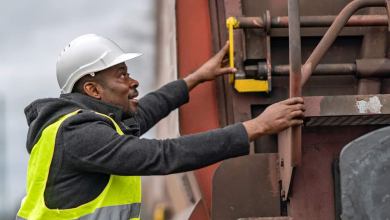
A final rule that goes into effect in June calls for freight rail carriers involved in higher-risk operations to provide employee training to safeguard against terrorism-related incidents.

“It’s important for us to keep the supply chain fluid” during the coronavirus pandemic, Executive Director Gene Seroka says.

Two unions’ petition to the Federal Railroad Administration contends that some Class I railroads have been slow to respond to calls for better workplace sanitation amid the COVID-19 outbreak.
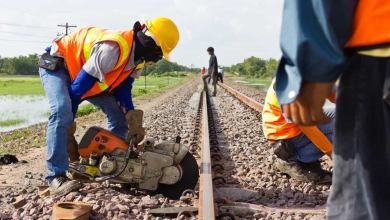
Total headcount falls to its lowest level amid continued declines in U.S. rail volumes.
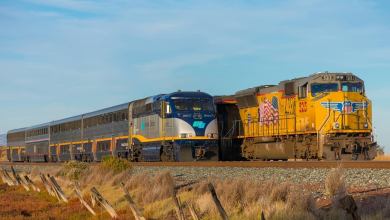
The Class I railroads would need to ensure that Amtrak can meet FRA’s on-time performance metrics for the routes they share with Amtrak.

The Chinese government is using the reason “Acts of God” to void many contracts due to coronavirus. Darren Prokop explores whether that is hurting current trade and will impact trade in the future.

Cybersecurity & Infrastructure Security Agency issues guidance on critical industries as millions of Americans ordered to stay home.