




Joanna Marsh
Thursday, February 20, 2020
Slump persists for US rail volumes
Year-to-date U.S. rail traffic is over 6% lower than the same period in 2019.
Railroads continue to play a significant role in North America’s economic infrastructure. According to the U.S. Department of Transportation Federal Railroad Administration, the U.S. rail freight network covers almost 140,000 route miles and is generally considered the largest, safest, and most cost-efficient freight system in the world. In addition, says the FRA, the almost $80 billion rail freight industry creates more than 167,000 jobs across the country.
In essence, rail freight companies charge businesses to carry cargo across their network of rails. Their rates are overseen by the Surface Transportation Board, a federal agency that regulates financial aspects of surface transportation. Major railroads in North America include Union Pacific Railroad, BNSF Railway, CSX, Norfolk Southern, Canadian Pacific Kansas City and Canadian National Railway.
Keep up with the latest news, trends and reports concerning rail freight transport here!
Year-to-date U.S. rail traffic is over 6% lower than the same period in 2019.
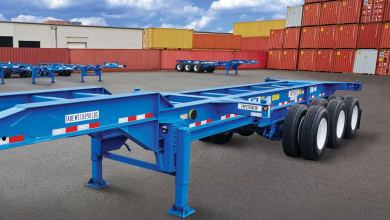
Private equity firm Stonepeak hopes the acquisition of TRAC Intermodal, a marine chassis pool manager and equipment provider, will beef up Stonepeak’s infrastructure and transportation market portfolio.

Incident captured on video on Manitoba highway underscores high stakes and worsening tensions across the country as anti-pipeline protests severely disrupt Canadian supply chains.
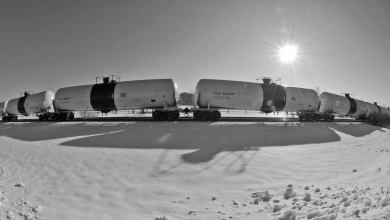
The rail equipment manufacturer and lessor managed to increase quarterly revenues despite a slump in North American railcar demand.
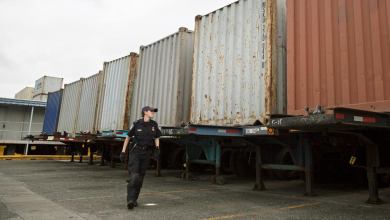
U.S. Customs and Border Protection officers at International Falls, Minnesota, discovered the illegal product in two 40-foot containers from China.
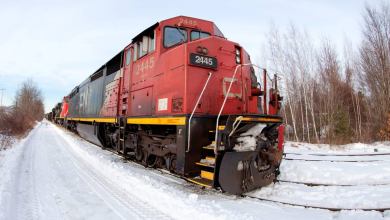
Canadian National lays off employees, industry groups warn of significant supply chain disruptions and government and First Nations leaders continue to discuss the multi-day protests that have blocked portions of Canada’s rail network.

The Canadian Trucking Alliance calls for an end to disruptions to Canadian National’s network as it warns of effect on intermodal carriers and the broader industry.
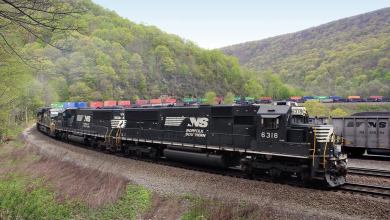
The Eastern U.S. rail company cites declining coal volumes and fewer utilized locomotives as contributing factors for the closure.
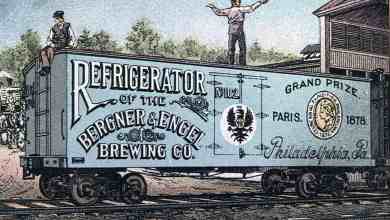
Railroads once carried much of the fresh produce across the U.S. Can they do it again? Jim Blaze explores the topic in his latest commentary.

The rail equipment and locomotive manufacturer eyes freight opportunities abroad amid a sluggish North American freight rail market.

Fifteen projects net funding from the U.S. Department of Transportation’s Maritime Administration.
The rail equipment and locomotive manufacturer benefits from its merger with GE Transportation.
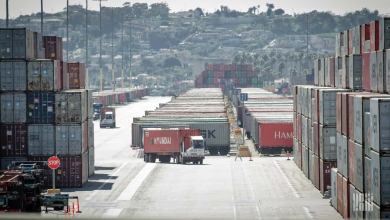
Series of book reviews makes clear there is much to learn from successes of the past.

Rail disruptions cause operational issues at the ports of Vancouver and Halifax.
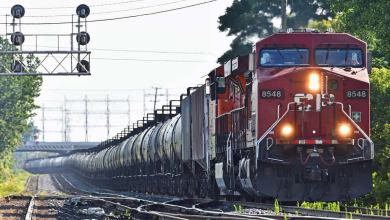
Freight trains carrying dangerous goods in Canada can now travel at faster speeds, according to a revised government order. Transport Canada had restricted how fast those trains could go following a fiery Feb. 6 derailment of a crude train.
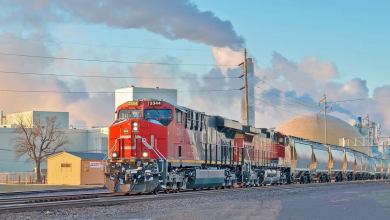
Canadian National warns protesters they’re jeopardizing their safety, while passenger rail service on VIA Rail remains cancelled.

Transport earnings were rough but may have bottomed.
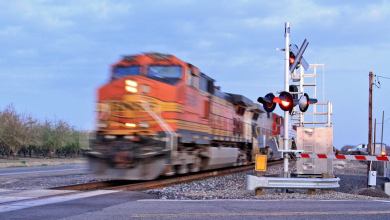
To reduce or eliminate blocked highway-rail grade crossings, the federal government needs to define the roles of stakeholders and technology, hearing witnesses said.
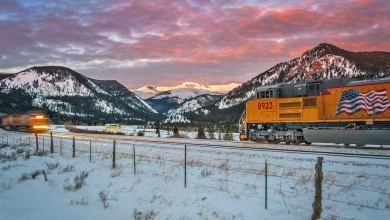
Labor attorney takes issue with allowing carriers to keep accident evidence from being used in court.

Ben Thrower explores the U.S. food chain is complex, but provides a cornucopia of food choices in almost unlimited supply.