




Craig Fuller, CEO at FreightWaves
Monday, October 24, 2022
For freight companies, this year’s peak will be weak
FreightWaves founder and CEO Craig Fuller provides insight into 2022’s peak season.
Railroads continue to play a significant role in North America’s economic infrastructure. According to the U.S. Department of Transportation Federal Railroad Administration, the U.S. rail freight network covers almost 140,000 route miles and is generally considered the largest, safest, and most cost-efficient freight system in the world. In addition, says the FRA, the almost $80 billion rail freight industry creates more than 167,000 jobs across the country.
In essence, rail freight companies charge businesses to carry cargo across their network of rails. Their rates are overseen by the Surface Transportation Board, a federal agency that regulates financial aspects of surface transportation. Major railroads in North America include Union Pacific Railroad, BNSF Railway, CSX, Norfolk Southern, Canadian Pacific Kansas City and Canadian National Railway.
Keep up with the latest news, trends and reports concerning rail freight transport here!
FreightWaves founder and CEO Craig Fuller provides insight into 2022’s peak season.

Railroad Workers United recently adopted a resolution calling for public ownership of U.S. rail infrastructure. FreightWaves chats with an RWU member on why the group wants the change.
Rallying employees to serve customers better will ultimately help CSX gain more business, the new president and CEO said during the company’s third-quarter earnings call Thursday.

UP is keeping a “growth mindset” as it looks to 2023 despite economic headwinds and an unresolved labor situation.

The National Carriers’ Conference Committee signaled that freight railroads will reject the Brotherhood of Maintenance of Way Employes Division’s counteroffer on a new labor deal.

Freight and passenger rail carriers must develop actionable items to prevent a cyberattack from crippling the rail network, according to a new TSA security directive.
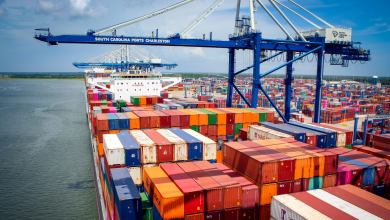
The South Carolina Ports Authority will join other major East Coast ports in providing near-dock rail via the planned Navy Base Intermodal Facility at the Port of Charleston.

An overview of Day 1 of F3: Future of Freight Festival.

An overview of F3: Future of Freight Festival and the key speakers.

Promoting competition, Laredo’s rail conversion potential and passenger rail in Louisiana were among the themes explored in the second half of the seven-day hearing proceeding on the CP-KCS merger.

The National Conference of Firemen & Oilers voted by a nearly 59% margin to approve its labor agreement with the freight railroads.

Although Hurricane Ian dented volumes at Georgia’s ports, Georgia Ports Authority still saw quarterly volumes grow by 9.6% year over year.

A labor agreement with U.S. freight railroads passed the latest ratification test with members of the mechanical and engineering division of SMART-TD voting to accept the contract.

Canadian railway CN and International Brotherhood of Electrical Workers members who are part of CN’s Canadian operations have a new labor contract at hand.
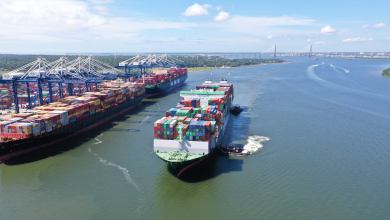
Despite reports that U.S. imports are slowing down, South Carolina Ports reported a nearly 11% increase in overall volumes in September year over year.

Labor negotiations and rail service issues dominated an otherwise quiet third quarter.
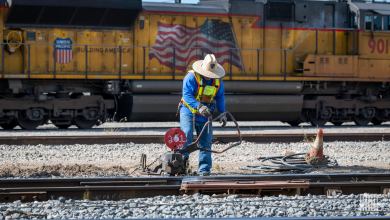
Members of rail union BMWED have rejected a tentative contract deal with U.S. railroads.

Railroad intermodal volumes are down, but consumer spending remains relatively strong. Carloads of coal are up, but forest products are down. Whether these volume changes reflect broader macroeconomic slowing remains less clear.

Canadian railway CN says it is positioning assets and adding more horsepower in order to keep the network fluid during extreme winter weather.
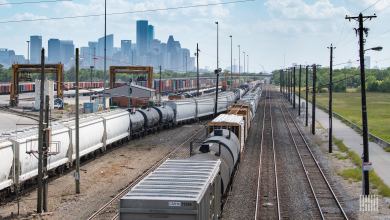
The Surface Transportation Board logged over 25 hours last week to hear from stakeholders about the advantages and drawbacks of the proposed Canadian Pacific and Kansas City Southern merger.