





Greg Miller
Tuesday, January 10, 2023
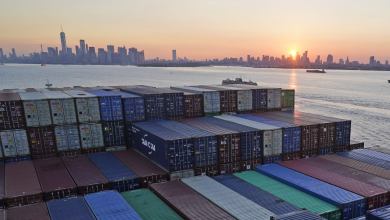
‘Surge finally over,’ US imports back near pre-pandemic levels
Imports continue to decline and are close to where they were before COVID-19, but the coastal mix is very different.
Imports continue to decline and are close to where they were before COVID-19, but the coastal mix is very different.

We take a look back at the state-of-the-art technology that streamlined trucking in 1961.

Trade has been proven time and time again to blow away the bluster of political rhetoric. China’s sleight of hand with its COVID reporting has the WHO accusing China of “under-representing” the severity of cases, and the flow of trade can back up the WHO’s statement.
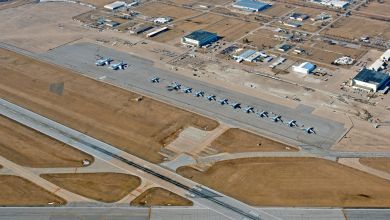
A private investment group is rolling up large chunks of land at smaller airports to develop air cargo facilities.
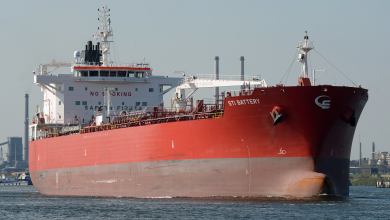
Sanctions on Russian crude exports have yet to boost tanker rates. Some question whether sanctions on Russian diesel will either.

Remaining queues of waiting ships are dwindling, another sign that supply chain pressure is winding down.
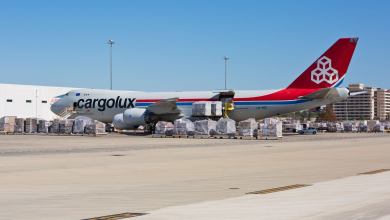
Alliance Ground International has agreed to give a major union access to workers at its O’Hare airport cargo facilities, averting a potential suspension of operating rights.
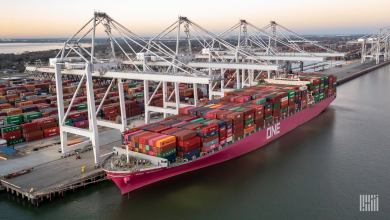
Port Houston plans to begin implementing fees for long-dwell containers beginning Feb. 1.

1992: 2-D bar codes provide an almost infinite variety of codes, which could prove especially useful in international shipping.
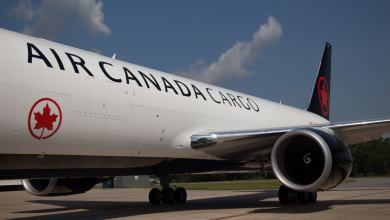
Jason Berry was key to getting Air Canada’s new-and-improved cargo unit off the ground but isn’t sticking around to see it reach cruising altitude.
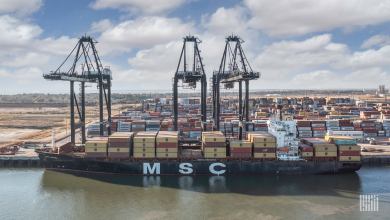
The top 10 liner operators hiked aggregate capacity by 13% in 2000-22 and continue to control 85% of the global fleet.
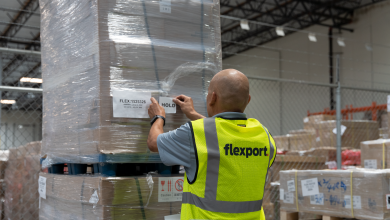
Flexport is hiring top tech talent to scale up its digital logistics platform.
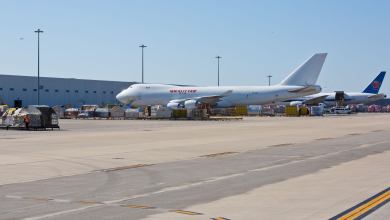
The city of Chicago is pressuring cargo agents at O’Hare airport to make a deal with a powerful union. If they don’t, significant cargo backlogs could occur.
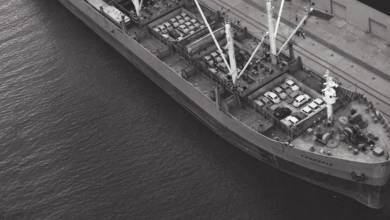
As cars gained popularity, ships were converted and built specifically for transporting vehicles overseas.
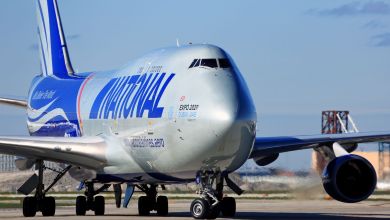
Specialized freighters with nose cones that open are helping National Airlines and its sister logistics company capture more oversize business.

The predicted boost to tanker rates from Russian crude disruptions has yet to materialize. Instead, rates have declined.

Bankruptcies, freight demand, trucking legislation and more dominated the headlines this year.
Just as the pandemic wound down, another market-altering event for shipping — the Ukraine-Russia war — ramped up.
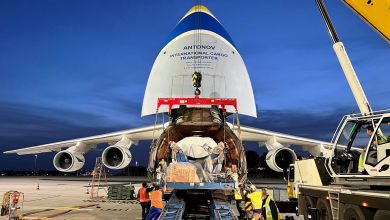
Making money was more difficult for the air logistics sector in 2022, but the future remains bright.
Container shipping lines are gradually getting their services back on schedule, but they still have a long way to go.