Electric charging networks are benefiting from Volkswagen cheating scandal
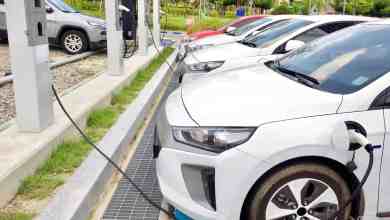
California-based electric charging companies are set to benefit from the $2 billion settlement that VW agreed to with the government.

Fuel prices and developments affect the entire supply chain, and can place a lot of pressure on carriers. Check back here for news and information related to fuel prices and the gas sector, plus insights and analysis on trends and issues impacting the industry.
California-based electric charging companies are set to benefit from the $2 billion settlement that VW agreed to with the government.

It is estimated that international trade-related freight transport accounts for nearly one-third of the total emissions across the world. Such situations call for innovation in the freight industry that could help mitigate carbon footprint through optimizing fuel consumption and improving operational efficiency.
Roads across the world have remained the same for generations, but that is slowly changing as research labs across the world are working on introducing electrically smart roads into the primitive niche.
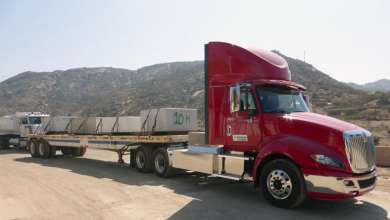
Meritor has made a strategic investment in TransPower, hoping to tap into the company’s full electric trucking solutions and integrated drive systems along with energy-storage subsystems.
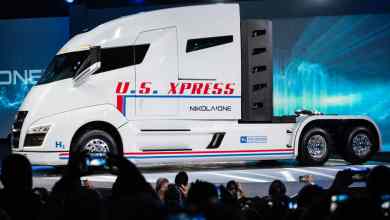
Global technology company Wabco Holdings has acquired a 1% equity stake in Nikola Motor Company with a $10 million investment. Nikola is designing a hydrogen-electric Class 8 truck.
Thor describes themselves as a “transportation lab with a goal of tackling fleet management problems.”
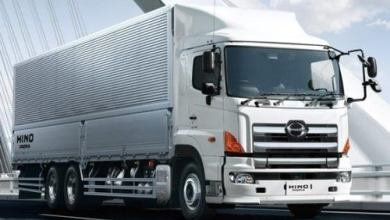
Toyota Motors’ trucking subsidiary Hino Motors has partnered with India’s Ashok Leyland in an effort to comply with the India Bharat Stage VI (BS6) regulations for reducing emissions from vehicles, The Japan Times reported.
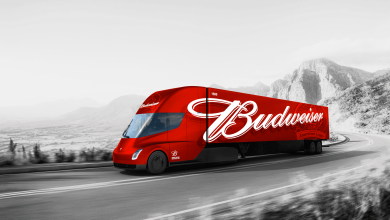
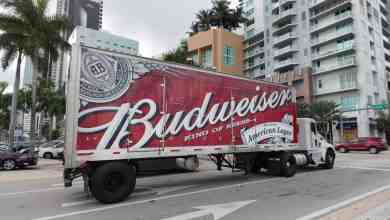
The Budweiser brewer says this is part of its strategy to reduce the company’s carbon emissions by 30% by 2025.
Technology startup FR8 Revolution has received an investment from Sandhills Publishing as well as announced a new technology partnership with the company.
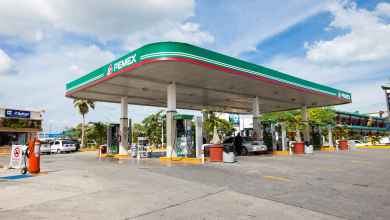
Recently, Mexico shifted into a supply-and-demand based pricing structure for its fuel markets, ditching the old system where the government set the fuel price through state-owned oil company Pemex as it seeks to attract more U.S. investment.
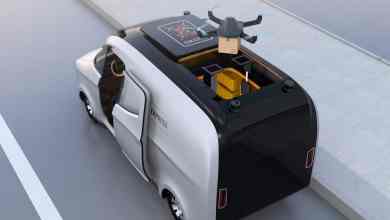
One of the questions many ask as the electric and autonomous vehicles are introduced to market is: What happens with the “last mile” delivery? It can be the most expensive leg of deliveries, especially in rural areas.
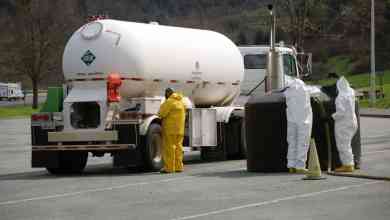
Shipping hazardous materials is risky. Yet carriers are willing to shoulder the risk of moving them across states, but to do so requires understanding a number of regulations that must be followed.
Anheuser-Busch’s private fleet is among the leaders in the country when it comes to efforts to cut carbon emissions through alternative fuel use. The company is taking another step, announcing it has reserved 40 Tesla Semi electric tractors.
A Memorandum of Understanding has been signed between Alkane Truck Company, based in Myrtle Beach, SC, and evLaboratory Inc., to have the latter’s powertrain and battery management technology integrated into Alkane’s OEM chassis products.
Following on the footsteps of its European counterpart, Daimler Trucks North America will begin shipping 3D printed parts under a pilot program. Daimler’s Mercedes-Benz unit started a similar pilot in Europe last year.
One of the largest elements of operational expenses in the freight hauling business is fuel, and yet there are a limited number of fleets that actively manage this cost effectively. Wisconsin-based Breakthrough Fuel is providing a way to effectively manage energy and reduce costs.
German automobile manufacturer Volkswagen has decided to throw its hat into the electric vehicle market, planning to develop 40 models for Chinese automobile market by 2025.
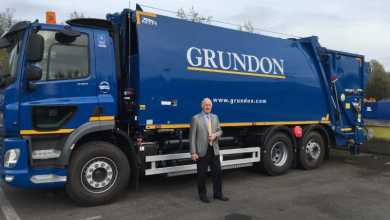
The Grundon system is a hydrogen-fueling system that is retrofitted onto a DAF truck. It is a dual-fuel system, allowing the truck to operate on diesel fuel when hydrogen is not available.
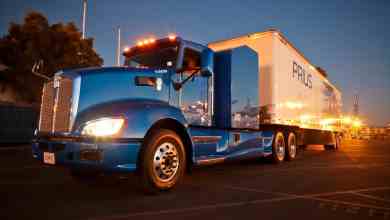
Toyota announced it is building a megawatt Tri-Gen hydrogen plant in California. The plant will produce hydrogen using renewable sources and will provide fuel for its Project Portal Class 8 hydrogen truck.
Fuel surcharges have a long history in the transportation industry, dating back to the Arab oil embargo in 1973 by most accounts. While the early days of surcharges were straightforward to calculate, that is no longer true, and they may not even be the best way to manage costs anymore.