




FreightWaves Staff
Wednesday, October 16, 2019
US tariffs take heavy toll on China (with video)
September saw China record its lowest monthly export growth to the U.S. since 1996 as the trade war inflicted more damage.
September saw China record its lowest monthly export growth to the U.S. since 1996 as the trade war inflicted more damage.
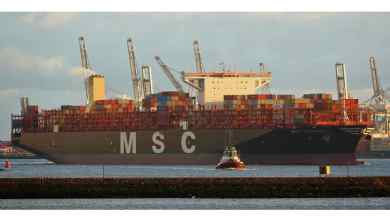
World’s second largest container fleet continues push with ultra-large container ships.
European shippers have joined with leading container line analyst Drewry to bring order to the “who pays what” implementation of IMO low-sulfur fuels.
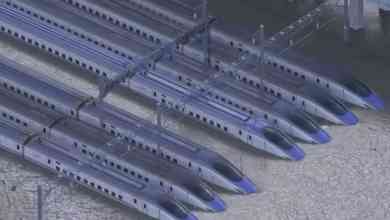
Although Super Typhoon Hagibis has caused catastrophic floods, mudslides and at least 68 tragic deaths in Japan, FreightWaves understands from local sources that Tokyo’s critical freight infrastructure – seaports and airports – are undamaged. Japan’s wider logistics network is suffering from a miscellany of damage such as flooding.

Maritime carriers are leaving up to US$110 on the table every time they carry a box, according to research from startup MizzenIT. And that means ocean carriers could be missing out on hundreds of millions of dollars a year simply by not charging the right price.

Headlines may proclaim “$300,000 per day” but most crude tankers are not making anything close to that.
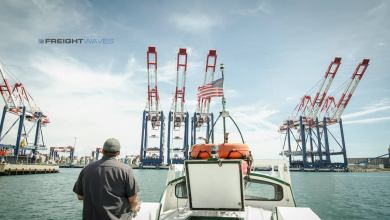
Market Voice Darren Prokop writes about automation at ports and the progress – and disruption – that will bring.
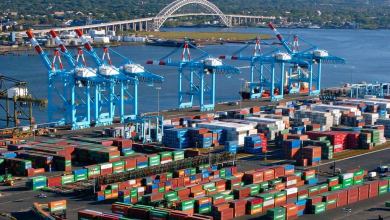
Maersk subsidiary looks to fix congestion that had been widely cited in 2018 front-loading.

Asia-Europe demand has been strong for much of the year, but spot rates have tumbled as some lines have cut rates. With demand weakening, carriers are poorly placed ahead of annual contract negotiations, says Drewry.

Freight volumes in and out of Japan’s busiest port, the Port of Tokyo, have declined in the first six months of 2019 compared to the first six months of 2018, new comprehensive data shows.
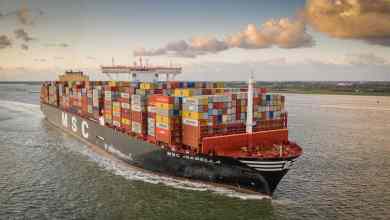
An influx of new container ships has hiked the average size of vessels deployed on the trans-Pacific and Asia-Europe trades, reports Alphaliner.
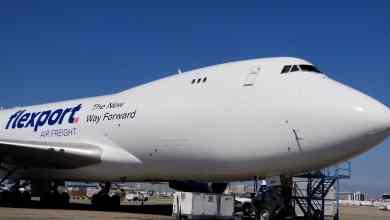
Freight forwarder Flexport acquired a startup that develops technology for tracking containerized goods. Burlingame, California-based Crux Systems said its technology “informs supply chain planning by driving actionable insights that can reduce dwell times, demurrage fees and hours spent tracking containers.” Crux’s technology will be incorporated into Flexport’s to incorporate the company’s track-and-trace technology into Flexport’s […]
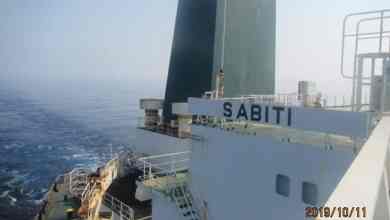
VLCC rates are reaching epic levels in the wake of an attack in the Red Sea on an Iranian Suezmax tanker.
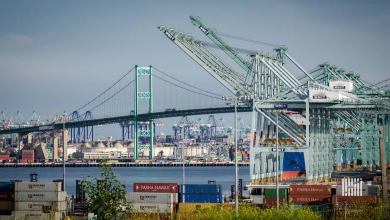
Port of Los Angeles container volumes dipped in September and its executive director called for a negotiated settlement of the U.S.-China trade ware.
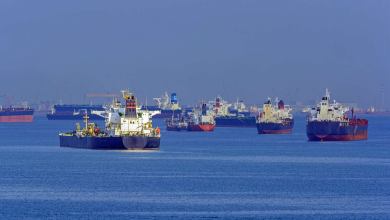
The first news led to a spike that pulled back. But prices were higher as the U.S. trading day began.
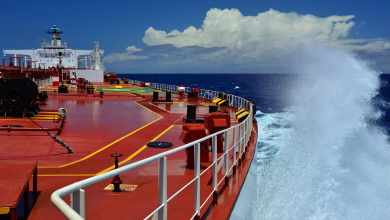
Crude-tanker rates have now reached levels not seen since before the global financial crisis.
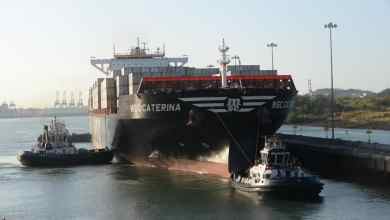
Both canal stats and container transport pricing confirm continued momentum for U.S. East Coast ports.

Georgia Ports Authority is looking to grow roll-on, roll-off cargo even as work continues on salvaging the capsized car carrier Golden Ray.

Asian merchant shipping and major drinks manufacturers are responsible for an increase in the amount of plastic bottles found in the world’s oceans.
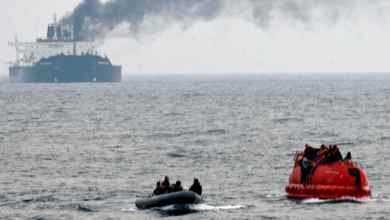
What is the most bizarre transportation law case you’ve ever heard of? The story of the demise of the tanker Brilliante Virtuoso may top your list.