




Lori Ann LaRocco
Friday, August 25, 2023
Panama Canal Authority extends water restrictions
Supply chain disruptions could develop if the drought in Panama continues.
Supply chain disruptions could develop if the drought in Panama continues.
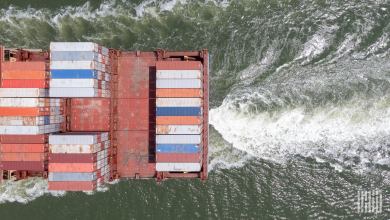
Houston and New Orleans reported increased monthly cargo during July, while Corpus Christi posted a rise in crude oil exports.

Average CEO compensation rose as ocean shipping company earnings increased, fueled in many cases by share-based compensation.

Panama’s drought poses a serious challenge to the country’s canal operations, but fallout to global trade remains limited.

Freight booking platform Freightos is working to reduce its cash burn as it continues to grow and add new products.

July volumes at the Port of Charleston and South Carolina Ports rose 12% from June and 3% year over year.

Unprecedented supply-demand imbalances amid the pandemic led to historic dividend payouts by container shipping lines.
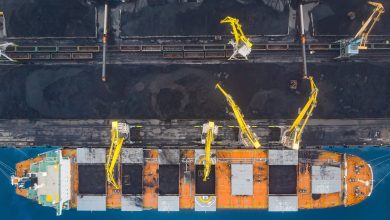
The global coal trade is thriving, with dry bulk ships busy carrying the loads. As the West consumes less coal, Asia buys even more.

Rail volumes to and from the Canadian ports of Vancouver and Prince Rupert are returning to normal after the 13-day strike in July, although capacity to catch up on the backlog appears limited for now, according to RailState’s analysis of its data.
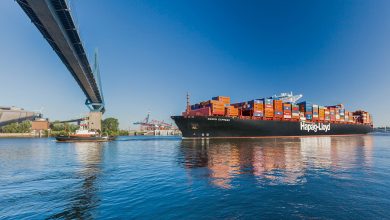
Spot ocean shipping rates from Europe to the U.S. held up much longer than trans-Pacific rates. Now they’ve sunk to historic lows.
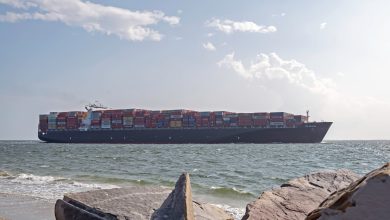
Zim lost $213 million in the second quarter. Will rising trans-Pacific spot rates help it reverse course in the third?
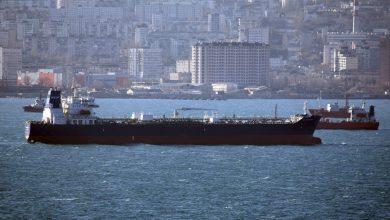
Price caps have been breached, discounts on Russian exports are dwindling, and more money is flowing to Russian coffers.
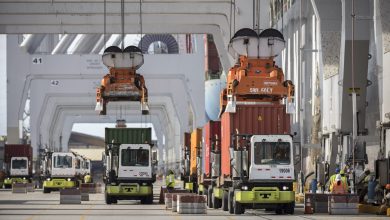
Looking ahead, Taiwanese ocean carrier Yang Ming said that “the overall momentum for economic recovery over the next two years still appears relatively weak.”

Container volumes in July rose sequentially by 17% but were down by 16% year over year at the Port of Savannah, the Georgia Ports Authority said Thursday.
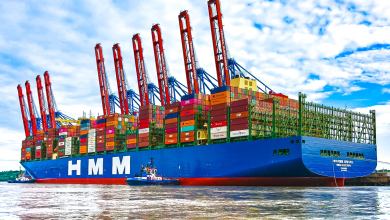
Ocean carrier HMM attributed much of its first-half net-profit nosedive of 90% to overcapacity in the container shipping industry.

“Weaker demand and lower freight rates are having a very noticeable impact on our earnings,” said Hapag-Lloyd CEO Rolf Habben Jansen.
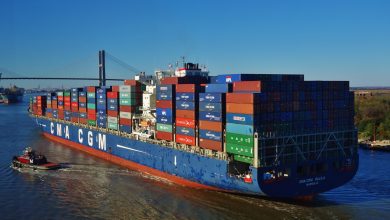
Containerized imports are rising seasonally, as expected. This year is on track to top pre-pandemic volumes by low single digits.

We are now in peak season and, as all logistics data has shown, it is not going to be stellar.

Expeditors had a second-quarter financial performance that might be expected from a company active in the air and ocean freight markets.

Cargo operations at a Texas border port were temporarily delayed Tuesday by an influx of migrants.