





FreightWaves Staff
Thursday, August 11, 2022
Summer of discontent for port drivers
In this issue: port protests hit Baltimore; Ford’s drone trucks; world’s largest container ship; and do delivery apps deliver to trucks?
In this issue: port protests hit Baltimore; Ford’s drone trucks; world’s largest container ship; and do delivery apps deliver to trucks?
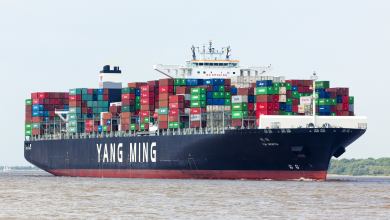
Yang Ming summed up its second quarter and the first half of 2022 in about 150 words.
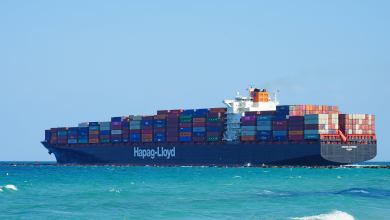
Hapag-Lloyd bookings point to a gradual unwind of the container shipping boom, not a crash.
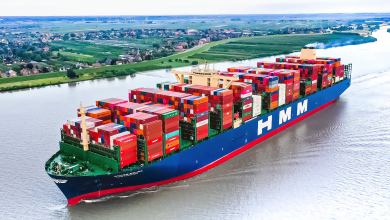
South Korean ocean carrier HMM expects “downward pressure” on demand growth in the second half of 2022.
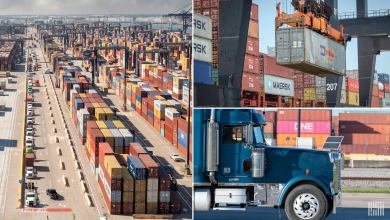
DOT officials are calling the start of data sharing among supply chain companies a ‘milestone’ event.

Tankers stocks are doing great. Dry bulk and container stocks temporarily stopped the bleeding. “Maxim stocks” still underperform.

Georgia Ports Authority kicks off the start of its new fiscal year with volumes at over a half million TEUs.
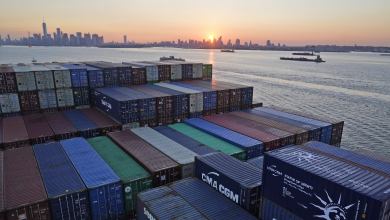
Port congestion and voyage cancellations by shipping lines are preventing a steeper slide in spot container freight rates.
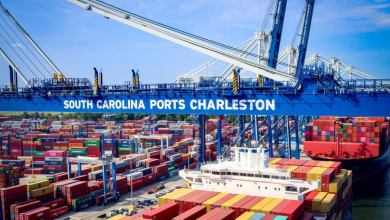
The South Carolina cold chain facility opening next year will handle Port of Charleston imports and exports of proteins, fruits and vegetables.
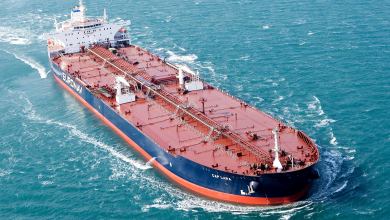
It looks increasingly likely that war-driven changes to global crude flows will persist for an extended period.

Federal regulators are pressuring carriers at the Port of New York and New Jersey to compensate shippers and carriers for container storage.
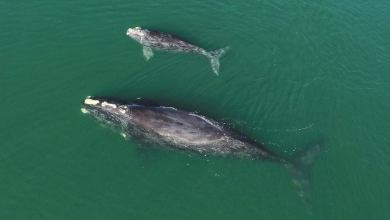
NOAA Fisheries aims to reduce whale strikes on the East Coast of the United States with new vessel speed regulations.
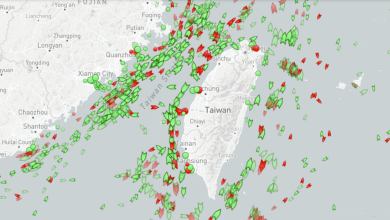
Chinese military exercises in the Taiwan Strait will delay shipments. Further escalation could have dramatic supply chain effects.

FreightWaves chats with international trade attorney Ashley Craig about what the troubles in labor talks for both rail and maritime mean for the broader supply chain.
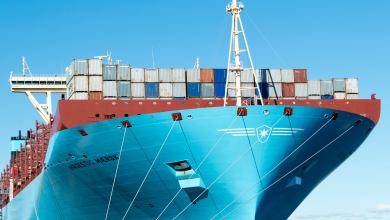
Container shipping giant Maersk sees continued strength in U.S. imports and ongoing supply chain disruptions globally.
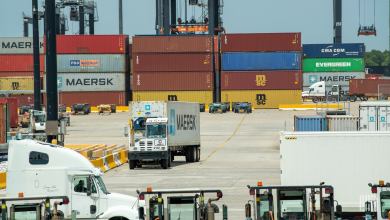
The Democrats’ inflation bill pares down ‘Build Back Better’ but includes $3 billion to help ports and terminals cut pollution.
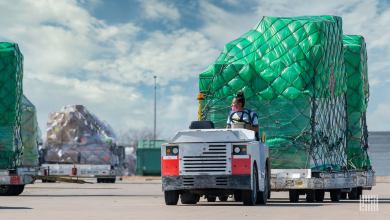
Air and ocean freight company saw its volumes slump but managed to be more profitable as it held the line on expenses.
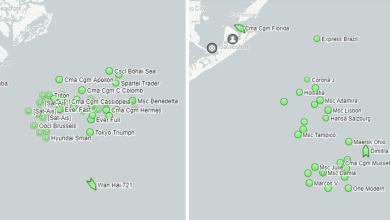
The drop in ships waiting off Southern California is deceiving. The number of ships off all three coasts is back to all-time highs.

The new rail hub is designed to respond to a growing need to expand domestic intermodal capacity within the greater Seattle region.
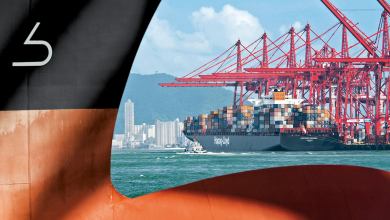
Shipping lines are still racking up extraordinary profits. Hapag-Lloyd forecasts continued strength in the second half.