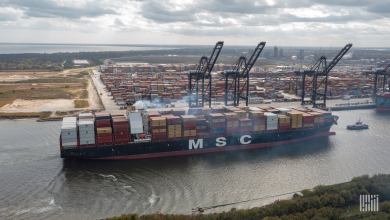
Only 8 ships waiting off Southern California — but 41 off Savannah
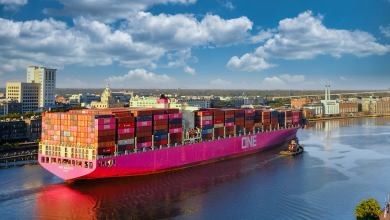
California’s container-ship traffic jam is almost gone, replaced by stubbornly high backlogs off the East and Gulf coasts.
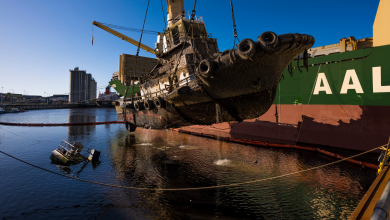
The recovery of two sunken tugs in Tasmania was a big logistics and engineering undertaking.
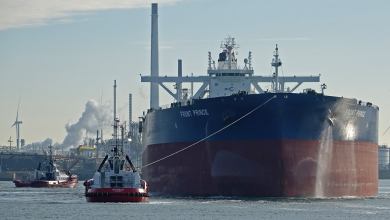
Just two supertankers have been ordered in the past 14 months, raising the risk of a future shortfall in oil transport capacity.
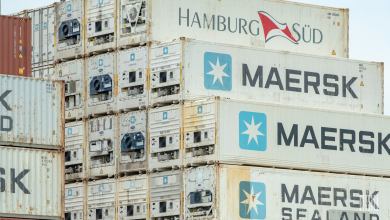
The U.S. Justice Department on Thursday blew the whistle on the planned acquisition of a large container manufacturer by a Chinese company.
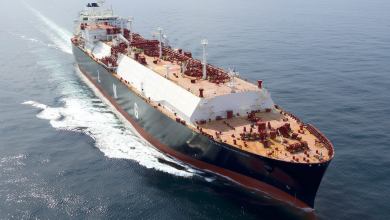
The Russia-Ukraine war caused demand for LNG to surge. Owners of LNG carriers are in prime position to profit this winter.
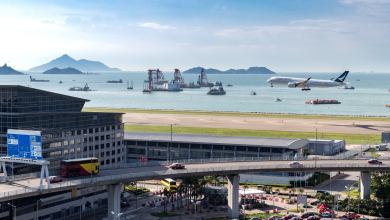
A severe typhoon is headed for the South China region, forcing airlines and ports to take precautions and adjust schedules.
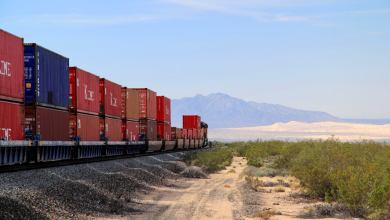
The Mojave Inland Port could reduce congestion at the ports of Los Angeles and Long Beach.
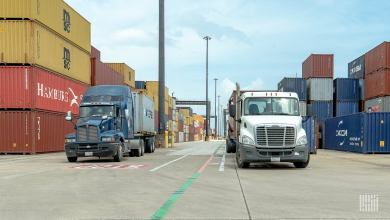
Trucking companies want the FMC to require better container storage data from the ocean carriers to speed cargo flow at the Port of New York and New Jersey.
The cost of marine fuels is down sharply from the wartime peak, except for ‘clean’ LNG, which is getting even more expensive.
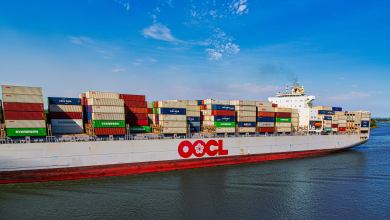
OOIL reports record revenue but has “legitimate concerns about the impact of inflation and interest rate rises on consumer spending.”
Spot rates on most global shipping routes continue to fall. The trans-Atlantic market is the exception: It’s holding firm near its high.
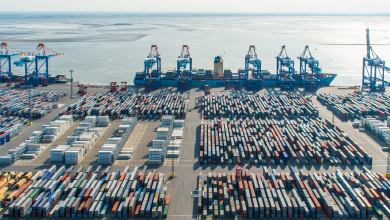
Ports in Houston, Corpus Christi, Texas, and Mobile, Alabama, continued to see increased cargo volume in July.
U.S. imports accelerated in July, with inbound cargo from China reaching a year-to-date high, according to Descartes.
July was a record month at the Port of Virginia. At SC Ports, July’s volumes were up from June as the Port of Charleston sought to improve port flows.
With East Coast ship queues high, port executive Gene Seroka says: “For cargo owners looking to rechart their course, come to Los Angeles.”
Trans-Pacific spot container shipping rates continue to head lower. Zim appears more at risk than some of its rivals.
Rates and sentiment in dry bulk shipping have fallen hard. Economic pressures in China appear to be a major culprit.
Inland port projects and rail cargo handling facilities are among the projects awarded grants through the Department of Transportation’s RAISE program.
The latest shipping company poised to delist has a market cap of $3.5 billion. The latest new entrant’s market cap is under $20 million.
Federal regulators are considering a congestion emergency order to require carriers to share cargo data with shippers, railroads and trucks.