




Joanna Marsh
Thursday, April 7, 2022
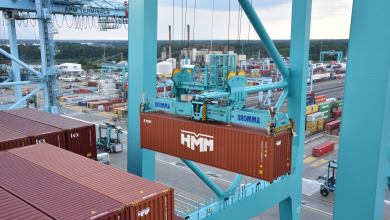
Higher loaded imports drive up March volumes at Port of Virginia
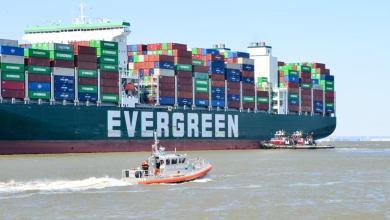
March volumes at the Port of Virginia were the highest yet for 2022.
March volumes at the Port of Virginia were the highest yet for 2022.
The biggest deal in tanker shipping history would merge Euronav and Frontline, but consolidation is no panacea.
The partnership marks a “pivotal step” toward making green e-methanol more accessible and commercially viable for the maritime industry.
PSA International has added to its port portfolio with the acquisition of Canadian container terminal Ceres Halifax.

Chinese President Xi is intent on eradicating COVID. The policy has come at a high economic cost. A new lockdown in Kunshan could threaten electronics production and further snarl ocean and air transport.

Carl Bentzel’s vision for the next-generation supply chain is one that shares public data across transportation modes and anticipates future shocks.
If at first you don’t succeed, switch to plan B.

China’s latest move announcing a phased-in exit of the lockdowns for the eastern part of Shanghai has logistics managers warning clients about the impact it will have on truck deliveries.
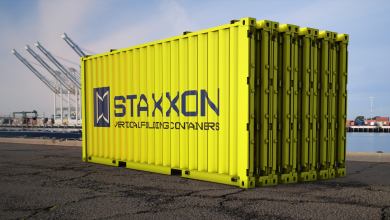
Folding five empty shipping containers into the space of one could curb smuggling, save shippers money and reduce emissions.
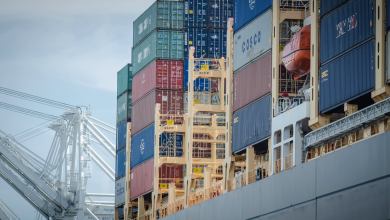
Companies that have historically treated drayage and other inland transportation services as an afterthought will need to shift this mindset in order to survive in the current maritime environment.

RH confirms sharp drop in demand since Russia-Ukraine war and sees no supply chain relief.
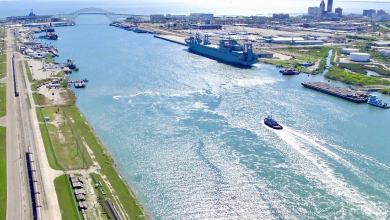
The ports of Corpus Christi, Galveston and Brownsville will receive federal funding to complete ship channel improvement projects aimed at increasing cargo capacity.

The sustained year-over-year gains propel the Georgia Ports Authority to expedite more than $538 million in funding for projects aimed at increasing capacity at the Port of Savannah.
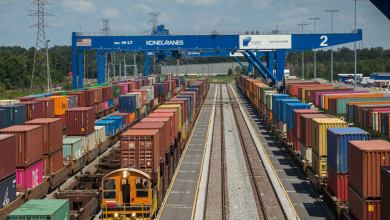
Big companies are finding it increasingly difficult to make big deals that can get regulatory approval in the U.S. and other countries.
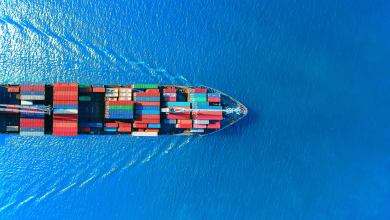
Charter rates hold steady at their peak as the seemingly neverending container shipping boom continues.
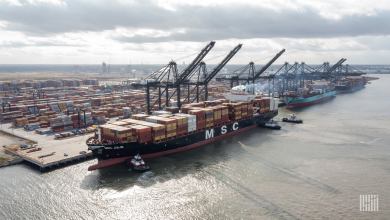
Gulf Coast port volumes rose in February, boosted by imports of steel and breakbulk cargo, along with exports of petroleum and crude oil.

“This will limit the capability of factories to deliver containers to the ports,” said one industry consultant.

The new container cranes will enable the terminal to accommodate multiple ultra-large container vessels simultaneously.
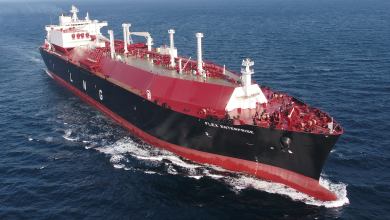
U.S. LNG cargoes were already flooding toward Europe months before the new deal. Real progress seems years away.

More than 20 years after the planning began, the Port of Savannah shipping channel has been deepened to 47 feet at low tide.