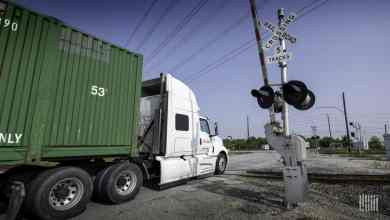
5 big freight rail themes in 2020
From volume volatility to a busy board, here are five themes that dominated the rail industry this year.
Railroads continue to play a significant role in North America’s economic infrastructure. According to the U.S. Department of Transportation Federal Railroad Administration, the U.S. rail freight network covers almost 140,000 route miles and is generally considered the largest, safest, and most cost-efficient freight system in the world. In addition, says the FRA, the almost $80 billion rail freight industry creates more than 167,000 jobs across the country.
In essence, rail freight companies charge businesses to carry cargo across their network of rails. Their rates are overseen by the Surface Transportation Board, a federal agency that regulates financial aspects of surface transportation. Major railroads in North America include Union Pacific Railroad, BNSF Railway, CSX, Norfolk Southern, Canadian Pacific Kansas City and Canadian National Railway.
Keep up with the latest news, trends and reports concerning rail freight transport here!
From volume volatility to a busy board, here are five themes that dominated the rail industry this year.
Mexico’s new fuel import regulations are seen by critics as an attempt to boost state oil firm Pemex.
Top 10 lists dominate the end of any year. American Shipper’s Top 10 stories list is voted on throughout the year by readers simply by reading our stories on americanshipper.com. Here are the stories you read the most in 2020.
The U.S. District Court in Nebraska sides with Union Pacific’s request to prevent Brotherhood of Maintenance of Way Employees division from striking over the railroad’s response to the coronavirus pandemic.
The abnormal year of 2020 cannot be ignored. It simply is less relevant for strategic purposes when tracking rail’s progress.
Total employment among the U.S. operations of the Class I railroads fell nearly 14% year-over-year amid the railroads’ continued deployment of precision scheduled railroading.
Canadian Pacific has announced a pilot project to develop North America’s first line-haul hydrogen-powered locomotive.
Disruptions in one corner of the world can impact operations at home. With the turbulence of 2020 hopefully behind us, Global Supply Chain Week will examine where the dust has settled and share lessons on reacting to the enormous disruptions of the previous year.
The coronavirus relief bill that passed Congress includes language that would make permanent a tax credit encouraging short line railroads to invest in capital projects.
Initial reports reveal seven tank cars derailed in Washington state and two were on fire, said.
Railroads assert work time flexibility is needed to respond to emergency situations on their tracks.
The Brotherhood of Maintenance of Way Employes Division is considering action against Union Pacific over quarantine pay and “common sense” COVID-19 safeguards.
Drayage provider ContainerPort Group announces intermodal terminal operator FSI Inc. will start operating under the CPG banner at the beginning of the year.
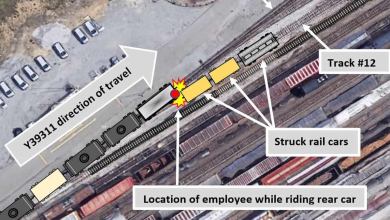
The National Transportation Safety Board said the freight rail industry needs to reconsider where it places buffer cars on high-hazard flammable trains in order to reduce potential accident severity.
Using artificial intelligence to cull insights from freight transportation’s massive amounts of data can not only encourage safe environments, It also has the potential to improve productivity and efficiency, as well as provide supply chain visibility that benefits all stakeholders, says a tech executive.
Railway supply workers support critical infrastructure, the trade group says.
Cybersecurity skills are among the gaps identified in GAO review of DOT’s workforce.
The Eastern U.S. railroad attributed its decision to furlough employees to changing market conditions.
Rapid platform developer Vantiq has partnered with Infosys to launch an accelerator to speed development of supply chain digitization solutions.
The Cass Freight Index sees sequential weakness in shipments but logs year-over-year improvement with expenditures data advancing.