




John Gallagher
Thursday, January 9, 2020
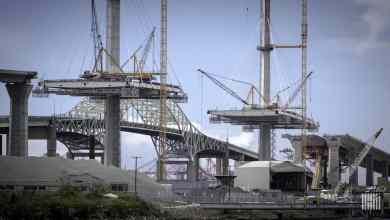
White House proposes slashing timelines for highway projects
Road, rail, port environmental permits to be completed in two years.
Railroads continue to play a significant role in North America’s economic infrastructure. According to the U.S. Department of Transportation Federal Railroad Administration, the U.S. rail freight network covers almost 140,000 route miles and is generally considered the largest, safest, and most cost-efficient freight system in the world. In addition, says the FRA, the almost $80 billion rail freight industry creates more than 167,000 jobs across the country.
In essence, rail freight companies charge businesses to carry cargo across their network of rails. Their rates are overseen by the Surface Transportation Board, a federal agency that regulates financial aspects of surface transportation. Major railroads in North America include Union Pacific Railroad, BNSF Railway, CSX, Norfolk Southern, Canadian Pacific Kansas City and Canadian National Railway.
Keep up with the latest news, trends and reports concerning rail freight transport here!
Road, rail, port environmental permits to be completed in two years.
Association of American Railroads reports volumes continue to run lower than a year ago.
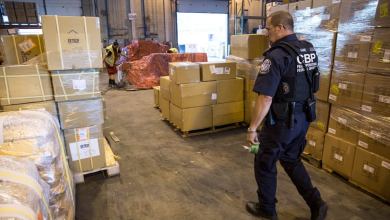
Companies from Amazon to Zulily agree to help Customs and Border Protection figure out how to identify and target high-risk shipments.
Jim Blaze writes about the key messages he extrapolated about railroading in 2019.
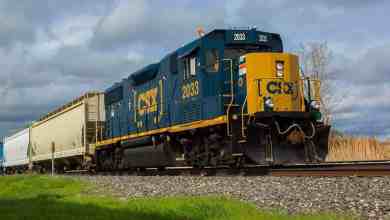
Precision Scheduled Railroading, or PSR, is the operational method of running a railroad for maximum asset utilization by which freight movements are scheduled and managed on the individual carload (rather than entire train level). That contributes to efficiency improvements by, for instance, using more direct point-to-point routing, bypassing classification terminals, and having the flexibility to use long mixed-commodity trains.
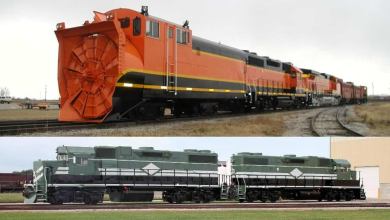
Wabtec says the $29 million acquisition of RELCO will expand its freight services offerings.
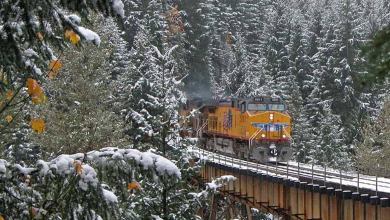
A U.S. judicial panel will hold a hearing in late January that will take up defendant Class I railroads’ request to move legal proceedings on fuel surcharge price fixing to one court.
Railcar manufacturer says deliveries fell off from a record sequential quarter.
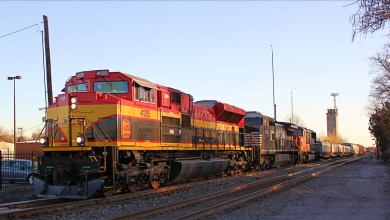
During the third quarter of 2019, the number of train robberies in Mexico rose 13% compared with the previous quarter, according to data compiled by Mexico’s Railway Transport Regulatory Agency (ARTF). Agricultural grains, auto parts and consumer goods, such as beverages and toys, were the most stolen freight, the security report by ARTF found. Between […]
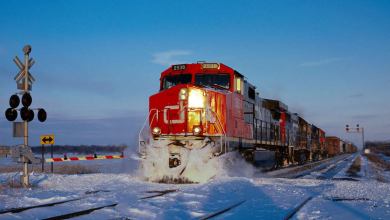
Drop in imports and exports in November occurred as Canadian National network’s capacity declined by 90% amid an eight-day rail worker strike.
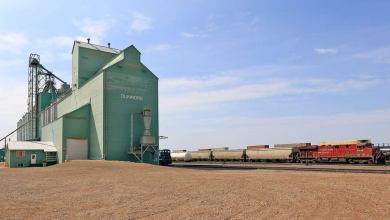
New hopper cars and a high-efficiency train model at some elevators help boost volumes.
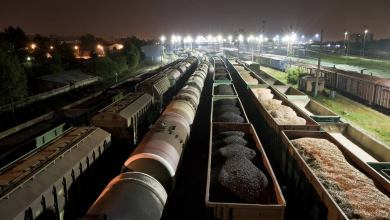
U.S. rail volumes fell 5% in 2019 amid trade worries, a sluggish industrial economy and a significant drop in coal carloads.
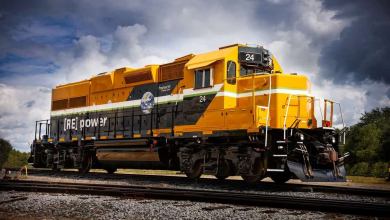
Private equity firm Paceline acquires a maintenance-of-way equipment lessor from Progress Rail, a Caterpillar subsidiary.
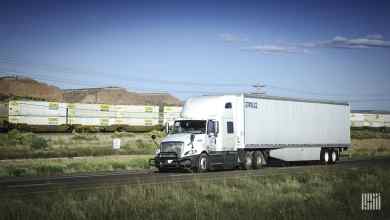
Despite a tough 2019 market, shippers face increasing price volatility around intermodal drayage as rail becomes more cost competitive compared with over-the-road trucking. Last year was one that intermodal marketing companies may prefer to forget. The volume of containers riding the rails dropped 5% last year, according to the American Association of Railroads. With overall […]
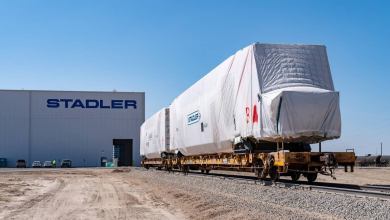
Good day, Hydrogen fuel cell trucks are making inroads at California ports and now the state is planning the nation’s first zero-emission “hydrail” project, Forbes magazine reports. The nine-mile line will run in southern California, where the San Bernardino County Transportation Authority plans to operate a FLIRT H2 train from Swiss supplier Stadler starting in […]
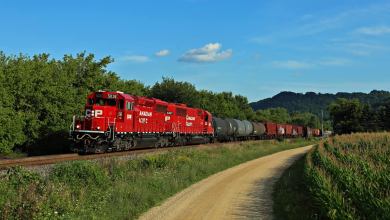
The railway announced plans to acquire the Central Maine & Quebec Railway in November.
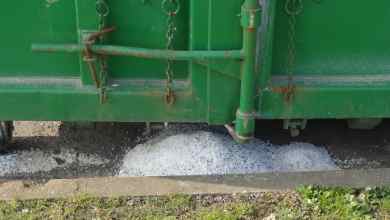
Two industry groups have announced a program to prevent the accidental release of pre-production plastic pellets.

Rail intermodal is the transportation method of moving freight on the earth’s surface by two modes, by railroad and also by truck. The freight can be carried in either trailers or containers; containers has become the larger and faster-growing category. The freight is moved on a railroad during the long-haul portion of the move with local trucking (known as drayage) taking the trailer or container to its final destination.
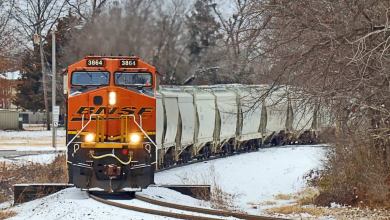
Lower rail volumes, an active Surface Transportation Board and a strike were among the key events that the U.S. and Canadian freight rail industry experienced this year.
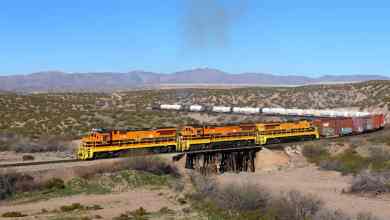
A portfolio of acquisitions culminates in a large sale. Genesee and Wyoming announces that the sale of the company has been completed.