




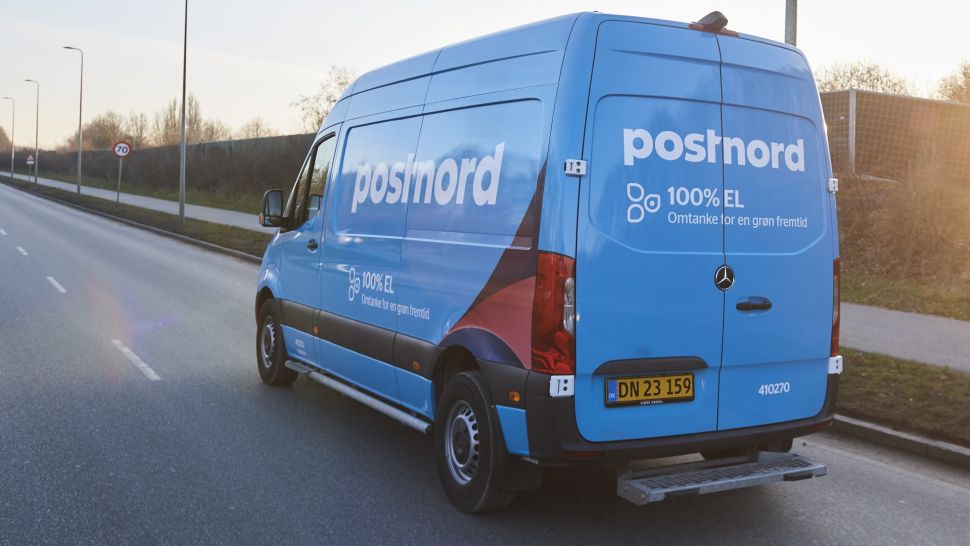
The last day for national letter delivery in Denmark is fast approaching as state-run postal service PostNord switches strategy to concentrate on parcel delivery following two decades of sharply decline in letter volumes.
The postal operator announced earlier this year that it will deliver its final letter on Dec. 31 after 400 years, saying physical mail is no longer economical because the country has mostly shifted to digital correspondence and that the massive growth in online shopping requires fast, reliable parcel service. Letter volumes have declined by more than 90% since 2000 to 110 million pieces last year and the flow continues to rapidly decline, according to the organization’s figures.
In Denmark, it is common for most people to use mobile apps and online tools to make purchases, do banking and complete other tasks, observers say.
In June, PostNord began removing the country’s 1,500 red mailboxes. The end of mail service will result in about 1,500 workers losing jobs.
The Ministry of Transport has indicated it will conduct a tender process to select a vendor that will provide international mail delivery in 2026.
Elderly people and those in remote areas will be most impacted by the end of letter mail, some officials say.
The introduction of a new Postal Act in 2024 opened up the letter market to competition from private firms and mail is no longer exempted from value-added tax, resulting in higher postage costs and reduced letter traffic, the BBC said in a report earlier this year.
Postal operators around the world are dealing with secular declines in mail volumes. But PostNord is the only one that so far has opted to eliminate letter mail. In other countries there are even calls for postal services to focus on universal letter service and relinquish parcel service because there is an abundance of qualified private sector carriers.
E-commerce explosion
PostNord said it expects to handle record parcel volumes during the peak holiday season. Parcel volumes have grown 17% year over year in recent months. In November, the company expanded the timeframe for customers to change the delivery location for packages ordered to their homes. The FlexChange service, available on the PostNord app, is designed to give customers maximum flexibility in their daily lives.
Packages ordered with home delivery can be changed to pick up at a parcel store at no extra cost with FlexChange. Consumers can also indicate where they want the package placed at the delivery address.
Since August, the company has opened 100 new PostNord Parcel Shops to help meet demand for convenient shipping options. Half of all Danes choose to pick up packages from a parcel store for their online purchases, making it the most-used delivery method in the country. With the new parcel shops, there will be approximately 1,300 PostNord Parcel Shops and approximately 3,300 PostNord Parcel Boxes in more than 1,000 locations in Denmark.
Nine out of 10 days Danes shop online every month and they are increasingly confident shopping on foreign websites as well, according to PostNord survey data.
Since the spring, the proportion of online consumers shopping on foreign retail sites has increased from 77% to 82%, the highest level ever. At the same time, concerns about misuse of credit card information has fallen from 13% last year to 8%.
“Danes have become experienced e-shoppers who know what to look for, and who are increasingly searching outside the country’s borders for both assortment and price. At the same time, we have become more confident, and today consider a secure payment process a matter of course, said Isabella Beck Jørgensen, press manager at PostNord Denmark, in a news release last month.
The favorite countries for buying goods abroad are China, Germany and Sweden because of their low prices, the company said. Others shop abroad because there is a wider selection outside of Denmark.
Click here for more FreightWaves stories by Eric Kulisch.
Sign up for the biweekly PostalMag newsletter The Delivery here.
RECOMMENDED READING:
Canada Post, largest union announce tentative contract agreement
Brokerage Compliance Symposium
The day before F3. Every compliance issue you face - fraud exposure, carrier liability, FMCSA rules, cargo theft, insurance gaps - navigated by attorneys and operators defining best practices in a changing industry.
F3 Awards Dinner
The night before F3. FreightTech100 companies honored. FreightTech 25 and Shipper of Choice winners revealed live. Cocktail reception into dinner and live music - 300 industry leaders in one purpose-built room.
F3: Future of Freight Festival
Industry-defining keynotes, rapid-fire technology demos, and industry leaders networking in experiences across Chattanooga - plus the inaugural F3 Awards Dinner featuring the FreightTech and Shipper of Choice reveals.
The day before F3. Every compliance issue you face - fraud exposure, carrier liability, FMCSA rules, cargo theft, insurance gaps - navigated by attorneys and operators defining best practices in a changing industry.
The Signal at Chattanooga Choo Choo • Chattanooga, TN Register NowThe night before F3. FreightTech100 companies honored. FreightTech 25 and Shipper of Choice winners revealed live. Cocktail reception into dinner and live music - 300 industry leaders in one purpose-built room.
The Signal at Chattanooga Choo Choo • Chattanooga, TN Register NowIndustry-defining keynotes, rapid-fire technology demos, and industry leaders networking in experiences across Chattanooga - plus the inaugural F3 Awards Dinner featuring the FreightTech and Shipper of Choice reveals.
The Signal at Chattanooga Choo Choo • Chattanooga, TN Register Now