Introduction to the Emergency Interim Final Rule
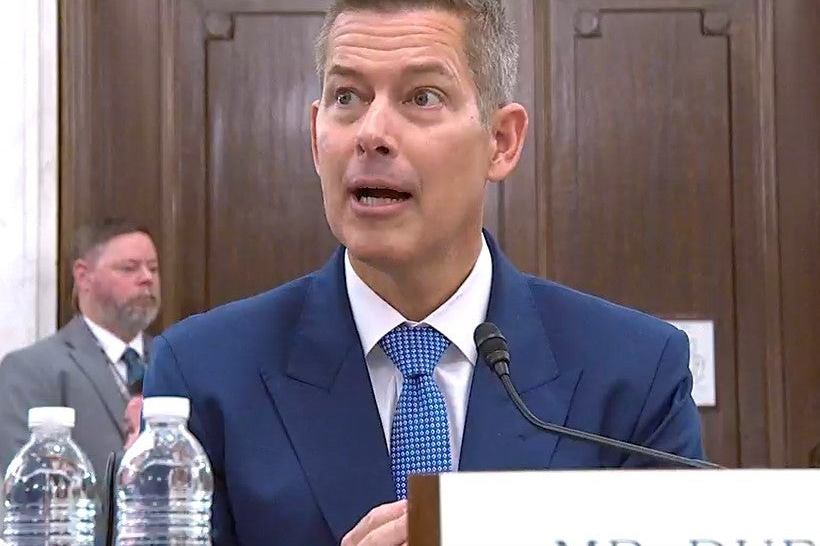
On September 29, 2025, U.S. Department of Transportation (DOT) Secretary Sean P. Duffy announced an emergency interim final rule to restrict non-domiciled Commercial Driver’s Licenses (CDLs). This significant regulatory action, issued by the Federal Motor Carrier Safety Administration (FMCSA), aims to address widespread abuse in issuing these licenses to immigrants, which has caused substantial disruptions in the trucking and supply chain industries.
Background on Non-Domiciled Commercial Driver’s Licenses (CDLs)
Non-domiciled CDLs were originally introduced in 2017 to provide flexibility for drivers who resided in one state but needed to obtain a license in another. Over time, however, this licensing category expanded to include non-U.S. residents, sometimes without proper work permits. This evolution went beyond the original intent, creating a situation in which licenses were issued to individuals who may not have met all legal requirements for employment in the United States.
Key Findings from the DOT Audit
A comprehensive DOT audit revealed alarming statistics regarding non-domiciled CDLs. At least 200,000 such licenses have been issued nationwide, with particularly high concentrations in certain states. California emerged as a significant problem area, where the audit found that over 25% of non-domiciled CDLs were granted improperly.
Regulatory Guidance from FMCSA (March 2019)
In March 2019, the FMCSA issued regulatory guidance outlining conditions under which foreign drivers could obtain non-domiciled CDLs. According to this guidance, individuals with valid employment permits or unexpired passports and U.S. Customs and Border Protection (CBP) Arrival/Departure Records could qualify. However, implementation issues soon arose, as many states failed to properly verify employment permits or align license expiration dates with work authorization periods. These oversight failures led to mounting concerns about potential fraud and safety implications in the trucking industry.
Impact on the Trucking Industry
The proliferation of non-domiciled CDLs has coincided with a dramatic increase in trucking capacity across the United States. Since the FMCSA permitted foreigners to obtain non-domiciled CDLs in March 2019, the industry has added more than 310,000 trucks to American roads.

It is not a stretch to believe that at least half of the new capacity has come from non-domiciled CDL holders. We know that 200,000 CDLs were issued, but it is unclear how many of these are still active and currently driving over the road.
Regardless, the industry has suffered greatly from the surge of new truck drivers and the sudden influx of capacity. These new participants have contributed significantly to market oversupply conditions, resulting in the longest freight recession in history. The correlation between the issuance of these licenses and industry-wide disruption points to significant regulatory challenges that must be addressed to restore balance to the freight transportation sector.
A Capacity Crunch Is Likely, but No One Knows How Fast One Will Come
The emergency interim final rule represents an important step toward addressing the unintended consequences of the non-domiciled CDL program. As the DOT and FMCSA work to implement stricter controls on these licenses, capacity will certainly tighten. The question on the mind of every freight market executive: When will we feel it?
Brokerage Compliance Symposium
The day before F3. Every compliance issue you face - fraud exposure, carrier liability, FMCSA rules, cargo theft, insurance gaps - navigated by attorneys and operators defining best practices in a changing industry.
F3 Awards Dinner
The night before F3. FreightTech100 companies honored. FreightTech 25 and Shipper of Choice winners revealed live. Cocktail reception into dinner and live music - 300 industry leaders in one purpose-built room.
F3: Future of Freight Festival
Industry-defining keynotes, rapid-fire technology demos, and industry leaders networking in experiences across Chattanooga - plus the inaugural F3 Awards Dinner featuring the FreightTech and Shipper of Choice reveals.
The day before F3. Every compliance issue you face - fraud exposure, carrier liability, FMCSA rules, cargo theft, insurance gaps - navigated by attorneys and operators defining best practices in a changing industry.
The Signal at Chattanooga Choo Choo • Chattanooga, TN Register NowThe night before F3. FreightTech100 companies honored. FreightTech 25 and Shipper of Choice winners revealed live. Cocktail reception into dinner and live music - 300 industry leaders in one purpose-built room.
The Signal at Chattanooga Choo Choo • Chattanooga, TN Register NowIndustry-defining keynotes, rapid-fire technology demos, and industry leaders networking in experiences across Chattanooga - plus the inaugural F3 Awards Dinner featuring the FreightTech and Shipper of Choice reveals.
The Signal at Chattanooga Choo Choo • Chattanooga, TN Register Now